


Patikwane JSS Set For Infrastructure Overhaul
25 Jun 2026
Clad in royal blue, grey and white uniforms, Patikwane Junior Secondary School learners brave challenges in pursuit of their dreams. Nestled between the villages of Paje and Mabeleapudi, the school stands as a beacon of hope for many young people striving for a better future through education.
Behind its weathered walls are learners who call the school’s boarding facilities home. Many travel from distant villages such as Majwanaadipitse and Tshimoyapula. Their determination often surpasses that of day scholars. Far from the comfort and security of their families, they endure conditions that speak of hardship.
The dormitories, meant to provide shelter, tell a different story. Windows are broken or missing, leaving learners exposed to the elements. Some doors have long vanished, leaving rooms insecure. Rusting bunk beds, many without mattresses, serve as sleeping quarters for learners who must somehow rest before another demanding day. Graffiti covered walls and worn-out facilities silently mark years of neglect.
Classroom conditions are equally challenging. Several windows are broken, creating discomfort for both learners and teachers. Outside, open sewage drains criss-cross the grounds, posing physical and health risks. Stagnant water and exposed infrastructure have become part of daily life for the very learners shaping their futures here.
Yet today, there is renewed hope. Patikwane JSS is among the first 11 junior secondary schools selected for refurbishment this financial year. The project forms part of President Advocate Duma Boko’s National Programme on Refurbishment, Modernisation and Maintenance of Schools, which he is yet to launch. The initiative, facilitated by the newly established Education Infrastructure Management Company (EIMC) under the Ministry of Child Welfare and Basic Education, aims to tackle long-standing infrastructure problems across the country.
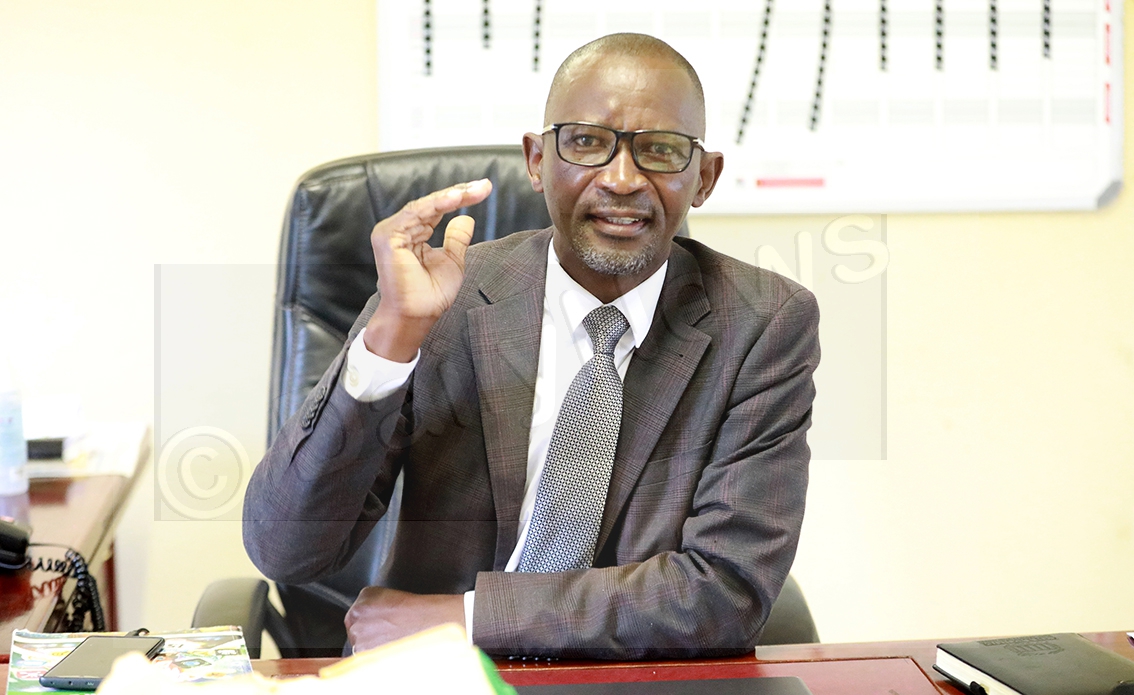
Serowe sub-region chief education officer, Mr Gaobotse Mokomane, explains that the main challenge across the region is infrastructure pressure caused by soaring enrolment figures. At Patikwane, with 536 learners; 229 girls and 307 boys, the shortage of resources is stark. The school has only 225 chairs. Desks and toilets are far fewer than needed. Fortunately, an alumni group recently donated some supplies.
With just 12 classrooms, space is not enough. The pavilion and two science labs have been converted into classrooms. During COVID-19, normal class size was 30, but now the average is 35. In some cases, government introduced shifts to manage numbers.
Mr Mokomane adds that classrooms are in poor condition, with broken windows and doors. Teaching essentials are scarce, chalkboards, agricultural tools and lab equipment. This makes practical subjects largely theoretical.
The hostel, designed for 48 boys and 48 girls, now accommodates 105 boys and 106 girls. Beds are worn and there are no mattresses, although parents have tried to fill the gap. The kitchen has also suffered. Electric cooking pots have not been functional for four years, so the school now relies on firewood, which becomes a problem during the rainy season and delays meals.
All boarding facilities in the region face similar conditions. He adds, “buildings are worn, furniture is missing and some roofs are exposed.” Ablution facilities are a major issue too, the water system is often blocked or the water pipes have run dry, thus leaving the school reliant on 12 pit latrines.
Teachers are not spared. Only 27 staff houses are available on site, with five more in Serowe, against a staff complement of 69. Teachers often share accommodation.
Mr Mokomane says priority will be given to classrooms and the administration block in the government refurbishment process. There are no chairs for teachers, so many take work home. Making teacher residences more comfortable is too crucial.
While government support is on the way, the spirit of self-reliance remains strong. This spirit once helped communities build the University of Botswana through the Motho le Motho Kgomo campaign in the 1980s. Decades later, that tradition continues.
Building on this spirit, Serowe North MP, Mr Baratiwa Mathoothe, is mobilising the community to transform Patikwane. He explains that the school is built on rocky terrain and its buildings were designed facing the water flow. This makes flooding a problem during the rainy season, though barriers have since been erected.
On June 13, he led a ground-breaking ceremony for the hostel renovations. “Beds are in such a bad state some learners use bricks to support them. It does not need maintenance, it needs an overhaul,” he says.
He highlights the urgent need for mattresses, blankets and functional doors. Showers are blocked and learners are forced to use open spaces, a sorry sight during cold weather.
He stresses that now is the time for the community to unite. “Reliance on diamonds once replaced this spirit. Poor diamond performance now calls for a revival,” he adds.
The renovation is a process and Mr Mathoothe has engaged different stakeholders including PTA and social clubs. So far, he has secured solar lights so the school can function even during power cuts. Government welders are donating weekends and the Serowe Brigade will assist with metal fabrication and bricklaying. Negotiations with the Vocational Training Centre aim to involve students in electrical work, chairs and desk repairs. He explains that the approach teaches practical skills while reducing costs.
Hostels will be painted and Pasqualian Investments has offered a JCB to desilt and clear the campus. Mr Mathoothe personally purchased a network device for the school and subscribes monthly. About 40 blankets have been secured, with more expected. The aim is to make hostels conducive and prevent learners from running away.
He adds that the unconducive environment may be affecting results. Many learners leave primary school with good grades but see performance drop at junior level. Bringing the community closer will help them appreciate the learners’ living conditions and motivate further support.
Looking ahead, Mr Mathoothe envisions cultivating unity, eventually forming clusters that can generate income and reinvest in the school. He stresses that after maintenance, a permanent programme is needed to prevent buildings from deteriorating and in turn save government from higher costs in the future. ends
Source : BOPA
Author : Ndingililo Gaoswediwe
Location : Gaborone
Event : Feature
Date : 25 Jun 2026
Related News
14 Sep 2026
Direlang Living for radio

28 Aug 2026