INDIAN MYNA SPREAD IN BOTSWANA RAISES CONSERVATION CONCERN
06 Aug 2026
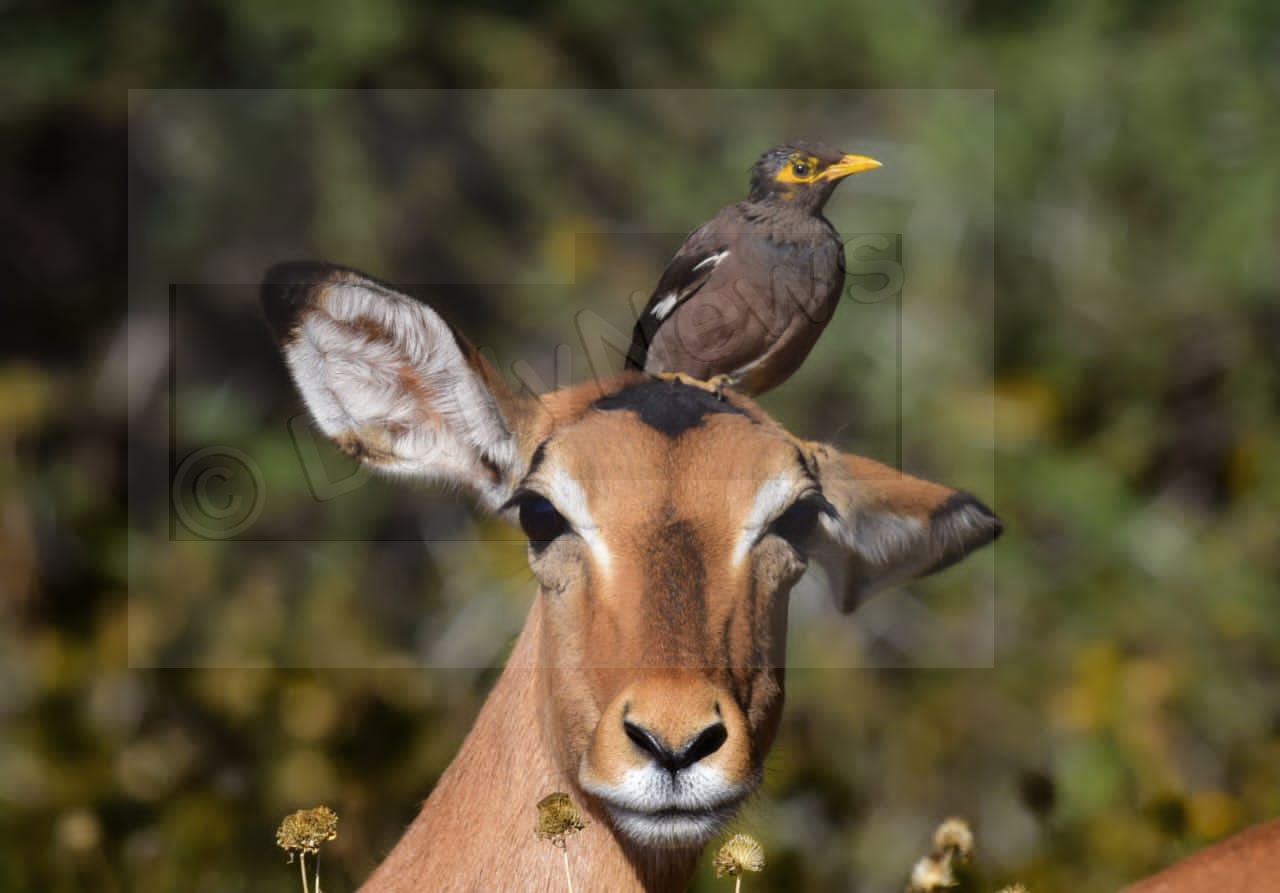
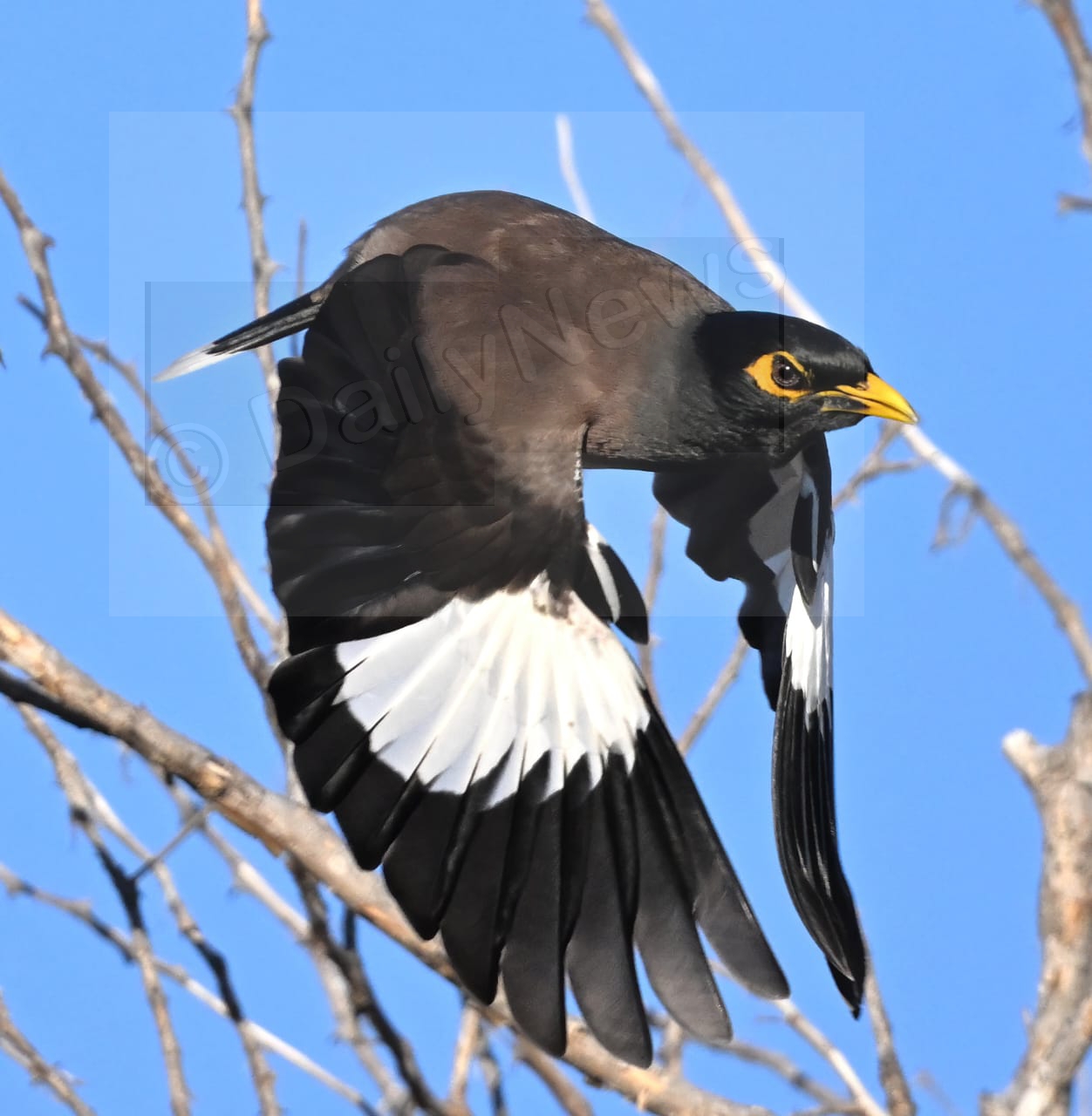
The Indian myna, a small bird with a striking yellow beak and eye-ring is raising concern among conservationists as its population continues to expand across Botswana, threatening indigenous species, ecosystems and potentially agriculture.
The Indian myna, also known as the common myna (Acridotheres tristis), is an alien invasive species known for its ability to adapt, reproduce rapidly and compete with native birds for food and nesting spaces.
BirdLife Botswana Project Manager Percy Percy says the species’ adaptability makes it a serious conservation challenge.
“The Indian myna is one of the world’s worst invasive species because of its ability to survive in different environments, reproduce rapidly and outcompete native birds,” Percy says.
Originally from Asia, the bird was first recorded in Botswana near Mahalapye in 1975 before becoming established in Gaborone during the 1990s and spreading to other areas.
Percy says the bird poses a major threat to cavity-nesting species that depend on natural tree holes for breeding.
“The cumulative effects would include displacement of native cavity-nesting birds from breeding sites, reduced breeding success of indigenous species, local extinctions of vulnerable species, and disruption of natural ecological processes,” he says.
He says the species has been reported in areas such as the Makgadikgadi Pans National Park and Chobe, warning that its establishment in protected areas could threaten species these habitats were created to protect.
Percy says reports reaching BirdLife Botswana from Greater Gaborone residents highlight concerns about the birds competing with other species, creating noise around homes and industrial roofs, and invading poultry houses.
Although Botswana has no large-scale eradication programme, monitoring continues through BirdLife Botswana, the Department of Wildlife and National Parks and citizen science initiatives.
“Early detection is important because once an invasive species becomes widespread, controlling it becomes much more difficult and costly,” Percy says. END
Source : BOPA
Author : Taboka Ngwaka
Location : Gaborone
Event : Feature
Date : 06 Aug 2026
Related News


08 Oct 2026