Gangwaketse role in modern Botswana
08 Oct 2026
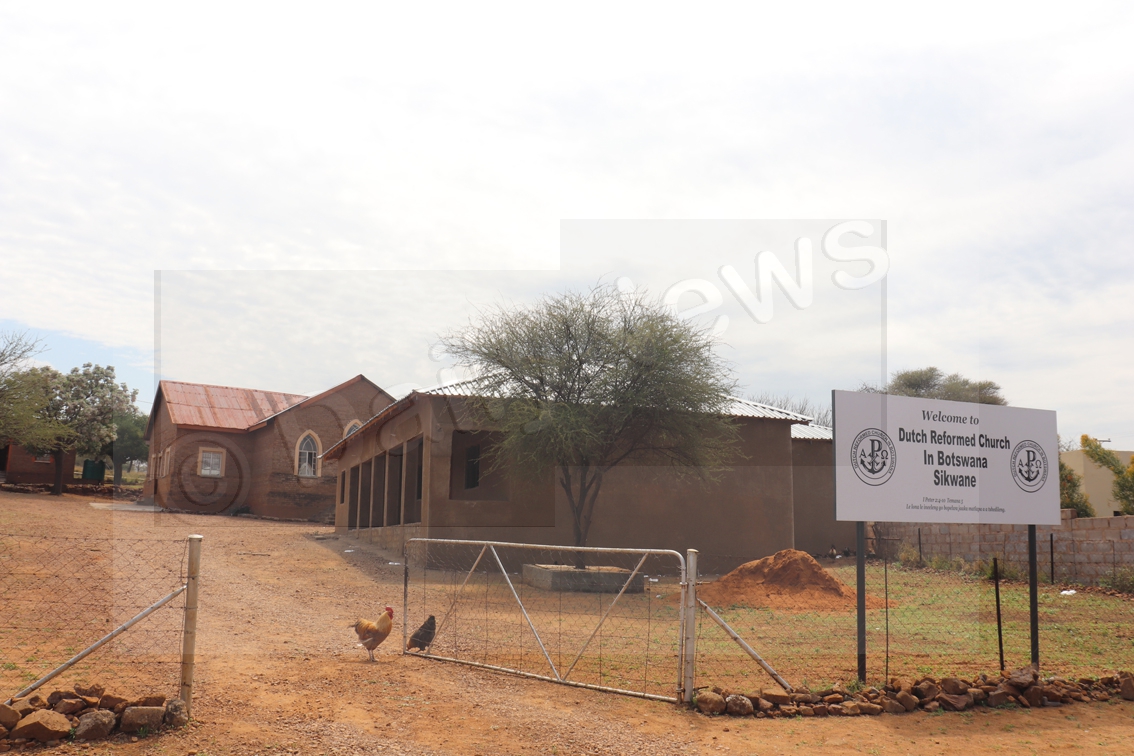
History identifies Kanye, the traditional capital of the Bangwaketse, as a significant contributor to Botswana’s journey toward independence.
Through its political leaders and its role as a centre of Tswana chiefly authority and early nationalist activity, Kanye helped shape the longer evolution from 19th century resistance to colonial rule, through the Bechuanaland Protectorate, to self-government in 1965 and full independence as the Republic of Botswana on September 30, 1966.
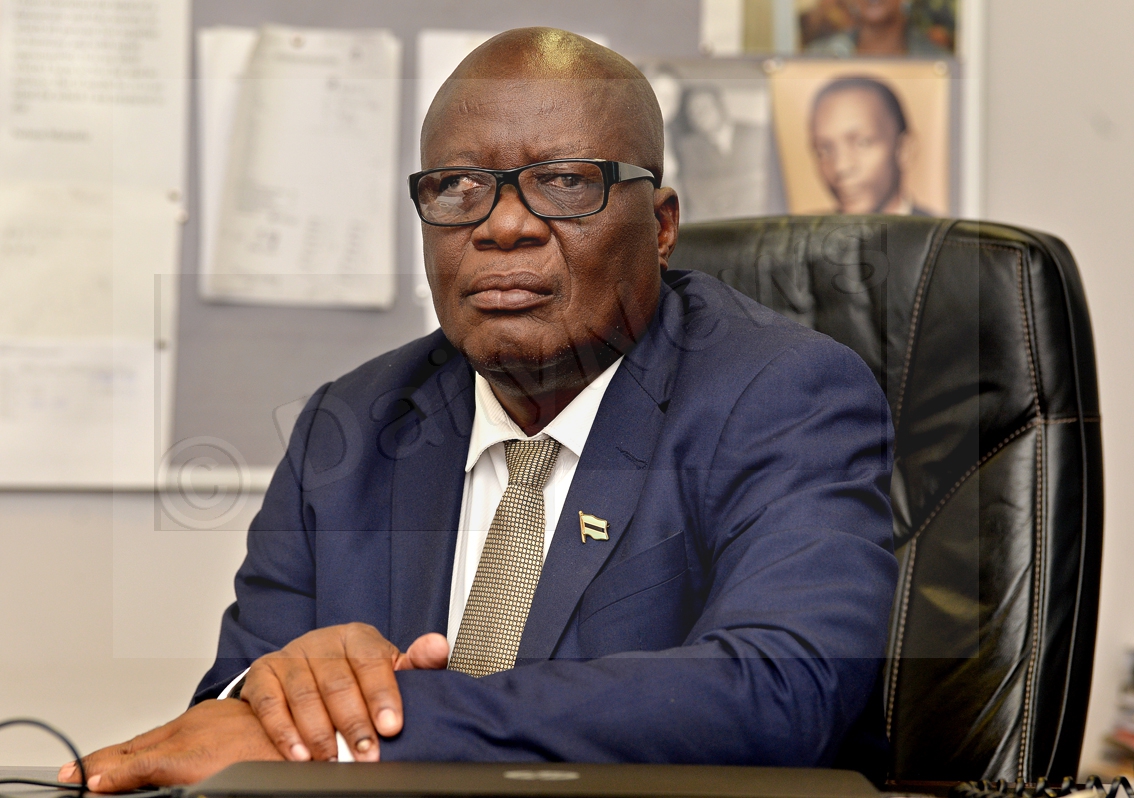
To appreciate the substantial contribution that Kanye made to the formation of Botswana before and after independence, BOPA reporter Marvin Motlhabane spoke with heritage manager in the Department of National Museum and Monuments, Mr Onkgopotse Moseki who drew on vivid memories of the humble beginnings that charted a path toward the resilient and prosperous nation Botswana is known as today.
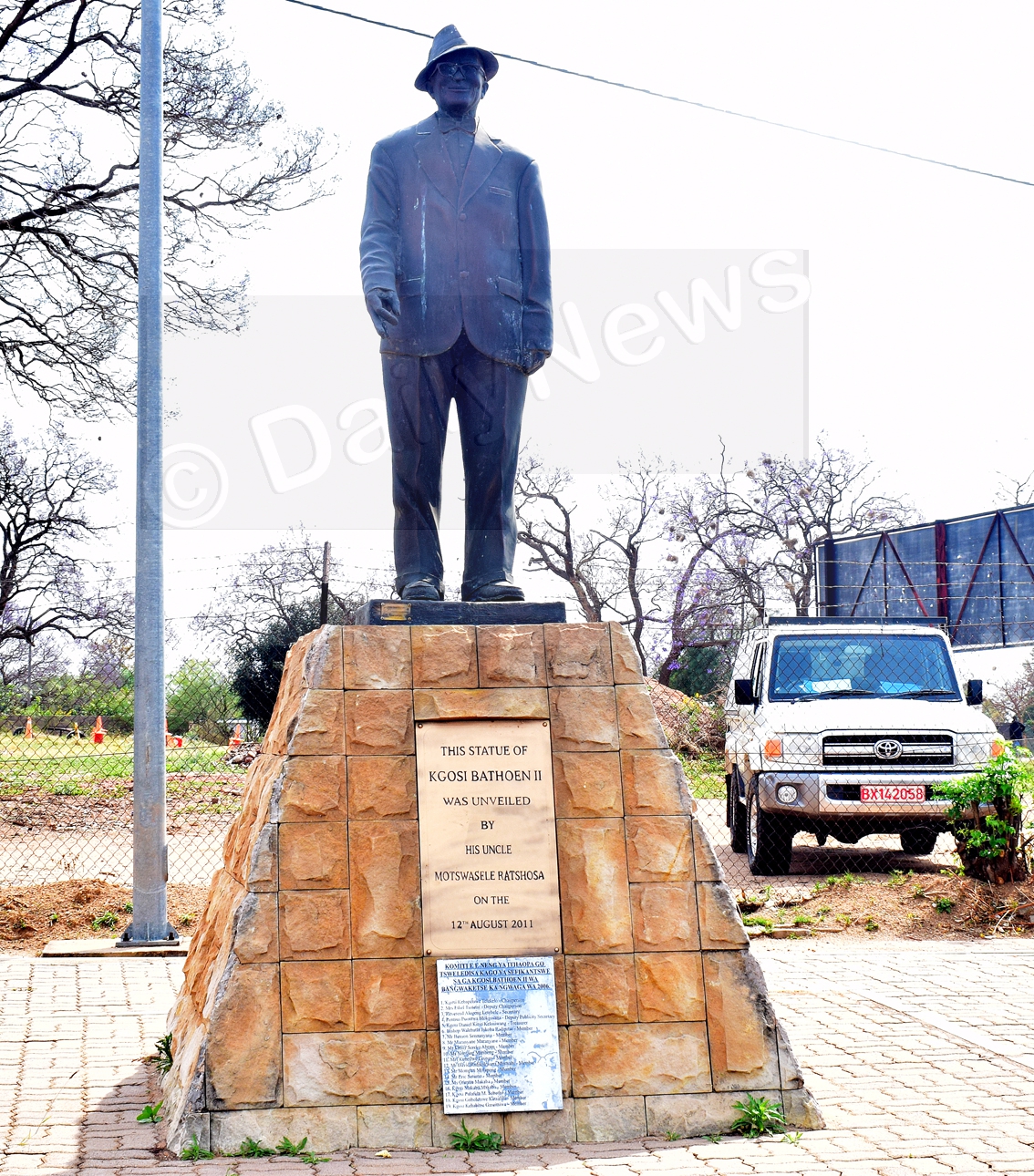
Mr Moseki recalled that during the early years of Kgosi Bathoen II, affectionately known as “BG” (Bathoen Gaseitsiwe), the businessman, kgosi and politician of note played a pivotal role in building the Bangwaketse tribe before 1966. Kgosi Bathoen II worked to unify his people and secure recognition beyond their territorial boundaries through practical, spontaneous and effective initiatives that improved daily life.
Notably, he constructed the Mmakgodumo Dam, which became a vital source of water for cattle and people, and for irrigating orchards. He also promoted skills acquisition through apprenticeship-style programmes that strengthened the agricultural sector. Kgosi Bathoen II proved to be a visionary leader who, during the early times, brought skilled personnel from as far as Tanzania to train local people, enabling productive plantations that fed the community and generated income.
He further established a water reticulation point known as Tomela, an advanced system that channeled water from Mmakgodumo Dam directly to the community so that people no longer needed to travel to the main source. Today the site, now a monument beside the Tomela Council Chambers in Kanye, stands as lasting evidence of his vision and determination to build a resilient and prosperous Bangwaketse community during the Bechuanaland era.
Kgosi Bathoen II also erected grain silos (dihalana), landmarks that remain visible in Gangwaketse. At a time when food was scarce and intra-African trade was limited; neighbouring South Africa was under apartheid and Rhodesia (now Zimbabwe) under Ian Smith’s administration; the silos preserved bumper harvests. Surplus grain was sold in Mahikeng, providing income for the people while ensuring the poor were fed. Mr Moseki observed that this illustrated how dikgosi of that era were committed to securing a decent livelihood for all their subjects.
Kgosi Bathoen II was also a staunch political leader who contributed meaningfully to Botswana’s independence from Britain, working closely with the Legislative Council which was formed to prepare the country for sovereignty and to develop governing laws. This body brought together dikgosi and educated Batswana who later became prominent political figures, among them Kgosi Bathoen II, K.T. Motsete, Kgosi Tshekedi of the Bamangwato, Sir Ketumile Masire - himself a son of Gangwaketse, and European settlers representing settler interests.
According to Mr Moseki, the period marked an important step toward establishing a sovereign Botswana. The group studied both English law and the constitutions of African states that had already gained independence at the time, including Ghana, Tanzania and Zambia.
Their work informed the constitution adopted at independence on September 30, 1966. Although some provisions have been amended over time, much of the original intellectual contribution, including that of Kgosi Bathoen II, remains.
Botswana’s independence story cannot be told without acknowledging another major political figure from Kanye: Sir Ketumile Masire, who later became President. Born and raised in Gangwaketse, he received his early education in Kanye before advancing to Tiger Kloof in Vryburg, South Africa – the same institution attended by Dr Gaositwe Chiepe and Sir Seretse Khama before they proceeded to the University of Fort Hare. Mr Moseki noted that this educational pathway reflected the role of bogosi in enabling capable individuals to acquire knowledge that would benefit national development.
Thus, as Botswana commemorated 60 years of independence; Kanye, capital of Gangwaketse, and its leaders stand out for their decisive role in charting a peaceful, collective path to the modern nation. ENDS
Source : BOPA
Author : Marvin Motlhabane
Location : Kanye
Event : Feature
Date : 08 Oct 2026
Related News