


Nkwane reflects on six decades of healthcare transformation

07 Oct 2026
A retired registered nurse, Mr William Nkwane, looks back on Botswana’s health journey with a perspective few can claim.
Two years older than independent Botswana, Mr William Nkwane has spent his life witnessing the country evolve from a young nation with limited healthcare infrastructure into one with an extensive network of clinics, hospitals, trained health professionals and increasingly sophisticated medical services.
His is not merely an account of Botswana’s health history, but a personal journey that began in childhood in Kgalagadi, where access to basic amenities was once a challenge, and continued into a professional career spanning more than 45 years in the health sector.
Growing up in an environment where healthcare services were limited, helped shape his desire to enter the nursing profession and make a difference in people’s lives.
His professional journey took him through different healthcare environments. He spent a year at Debswana Jwaneng Mine Hospital operation before moving to Orapa Mine Hospital.
The greater part of his career was spent under the District Health Management Teams in Hukuntsi and Tsabong, where he served communities in some of Botswana’s remote areas.
Through these assignments, Mr Nkwane gained experience not only in clinical care but also in community-based healthcare, giving him a front-row seat to the transformation of Botswana’s health system.
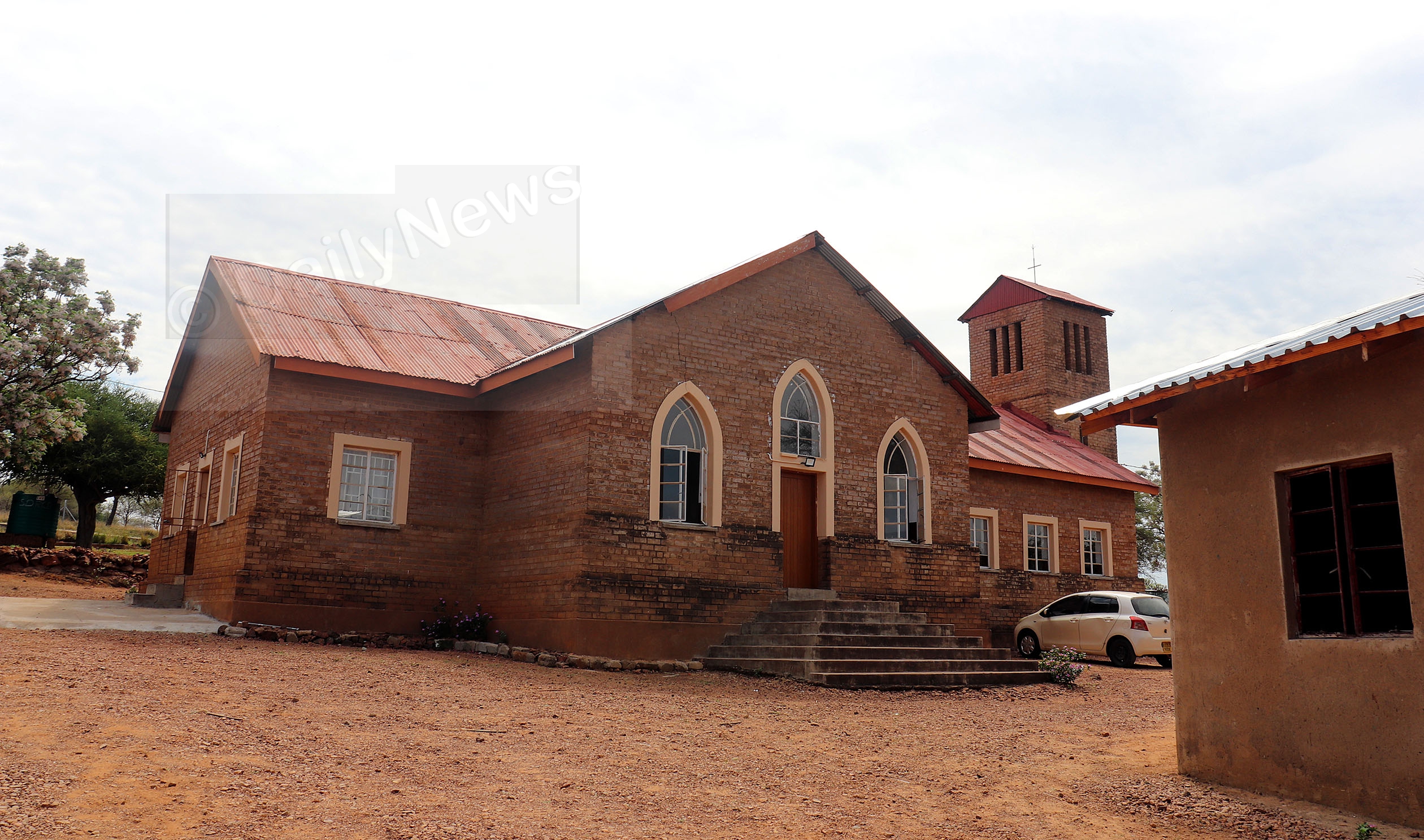
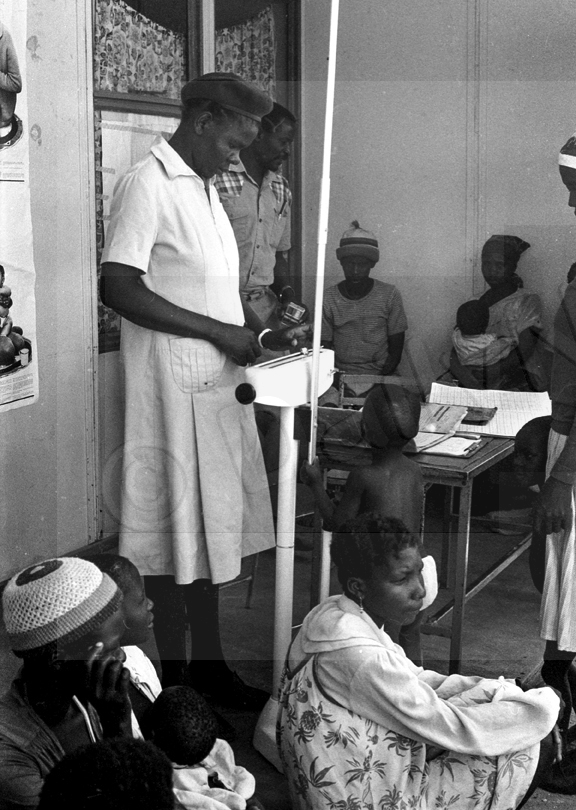
As the country celebrates six decades of independence, he recalls a time when healthcare in many rural communities was delivered through mobile clinics, temporary tents and church buildings, long before permanent clinics and hospitals became common.
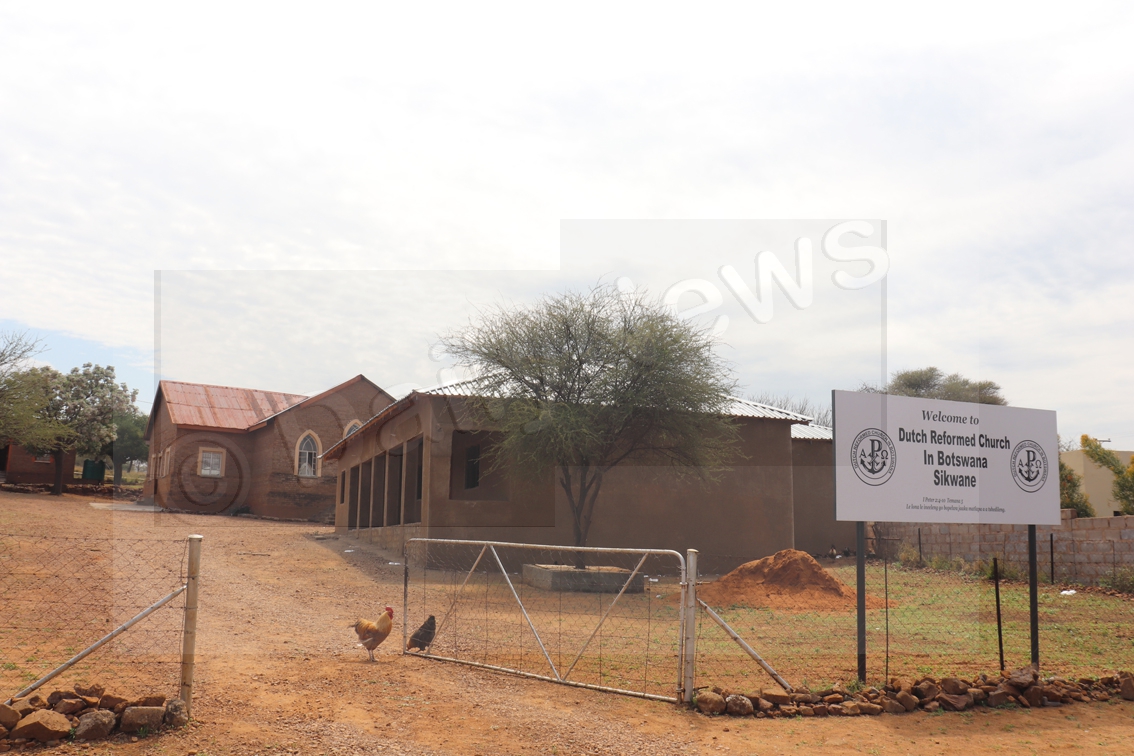
He remembers churches such as the United Congregational Church of Southern Africa (UCCSA), Roman Catholic Church and Seventh-day Adventist Church playing an important role in extending healthcare services to communities that were often located far from established facilities.
According to Mr Nkwane, government gradually strengthened and expanded its health services to complement the work being done by churches and other community institutions.
He said the early approach to healthcare placed considerable emphasis on prevention, with health education forming an important part of efforts to reduce disease.
Rather than relying solely on treatment after people fell ill, communities were taught how daily practices, hygiene and surroundings could influence health.
“The approach was largely based on identifying the problem, analysing it, taking action and evaluating the outcome,” he explained.
Mr Nkwane said the approach produced positive results as people gradually became more knowledgeable about health matters and better equipped to prevent certain diseases.
He joined the nursing profession in the 1970s, at a time when medical supplies were limited and communities had relatively little knowledge about various health conditions.
He said health workers were therefore expected to be both caregivers and educators, often taking health messages beyond the clinic to people’s homes, churches and community gatherings.
“Resources were limited and scientific knowledge was not as advanced as it is today. Much of the work involved teaching people how to protect themselves from diseases,” he said.
The philosophy of prevention, treatment and rehabilitation, he said, gradually helped communities become more health conscious.
As Botswana’s population grew, the health sector expanded alongside it, with government establishing more clinics and hospitals and increasing the number of trained personnel.
Mr Nkwane credited Botswana’s early leadership, particularly founding President Sir Seretse Khama and former President Sir Ketumile Masire, for placing emphasis on the health and welfare of citizens.
The expansion of services improved the detection and management of diseases that had previously affected many communities, including tuberculosis, scabies, chickenpox and diarrhoea.
He recalled that children were particularly vulnerable to skin conditions, eye and ear problems and diarrhoeal diseases, with poor hygiene and living conditions often contributing to their occurrence.
Tuberculosis was also a major concern, particularly before the 1970s. Mr Nkwane said smoking, overcrowding and poor living conditions contributed to its prevalence, while sustained health education and improved living conditions later helped reduce its impact.
As Botswana developed, so too did the scientific and technical capacity of its health sector.
Immunisation became an increasingly important component of child healthcare, helping protect them against preventable diseases. Greater attention was also directed towards hygiene, nutrition and environmental cleanliness, contributing to improvements in general wellbeing.
Maternal healthcare underwent a similar transformation.
Mr Nkwane recalled that pregnant women were increasingly encouraged to attend antenatal clinics and deliver at health facilities instead of relying solely on home deliveries.
This marked an important change in community attitudes, as families became increasingly aware of the importance of professional medical care during pregnancy and childbirth.
The health infrastructure itself also improved, with better-equipped facilities, increased availability of medicines and the training of personnel in different fields.
Mr Nkwane said the country intensified the training of health professionals, particularly during the early 1990s, as it became increasingly apparent that a growing population and changing disease patterns required more specialised skills.
However, he emphasised that healthcare could never be the responsibility of health facilities alone.
Illiteracy remained a challenge in some communities, making it difficult for health messages to reach everyone effectively. Village leaders, churches and pastors were consequently engaged to help communicate important health information.
It was within this community-centred approach that initiatives such as Community Home-Based Care (CHBC) and Traditional Birth Attendants played an important role.
Mr Nkwane particularly praised CHBC, saying its importance became more apparent during the HIV/AIDS epidemic when hospitals and clinics were at times overwhelmed by the number of patients requiring care.
Community members were trained in basic skills to care for patients in their homes, allowing families to participate in caring for their relatives while easing pressure on health facilities.
He said the programme also helped reduce some of the financial burden on government associated with prolonged hospitalisation.
Traditional Birth Attendants similarly served an important purpose in communities where home deliveries remained common. Their involvement, he said, demonstrated the importance of understanding community practices while gradually encouraging safer approaches to maternal healthcare.
The HIV/AIDS epidemic, however, presented Botswana with one of its greatest public health challenges.
Mr Nkwane witnessed the devastating impact of the disease on families and communities before seeing the country gradually strengthen its response through public education, prevention, testing and treatment.
He commended former President Festus Mogae for prioritising access to antiretroviral treatment and programmes aimed at preventing mother-to-child transmission of HIV.
Government was forced to make difficult choices and redirect resources towards addressing the epidemic, while strengthening public health interventions to protect communities, Mr Nkwane said.
He regards the response as one of the defining chapters in Botswana’s public health history.
Just as the country had made progress against HIV/AIDS and other diseases, another unprecedented challenge emerged with the outbreak of COVID-19.
Mr Nkwane said the pandemic placed enormous pressure on the health system, communities and national leadership.
Mr Nkwane believes Botswana’s health achievements should be measured not only by the number of hospitals and clinics built, but also by the gradual change in how communities understand and take responsibility for their health. ENDS
Source : BOPA
Author : Thuso Kgakatsi
Location : Hukuntsi
Event : Feature
Date : 07 Oct 2026
Related News

14 Sep 2026
Direlang Living for radio

28 Aug 2026