DailyNews From black and white tabloid to modern publication
08 Oct 2026
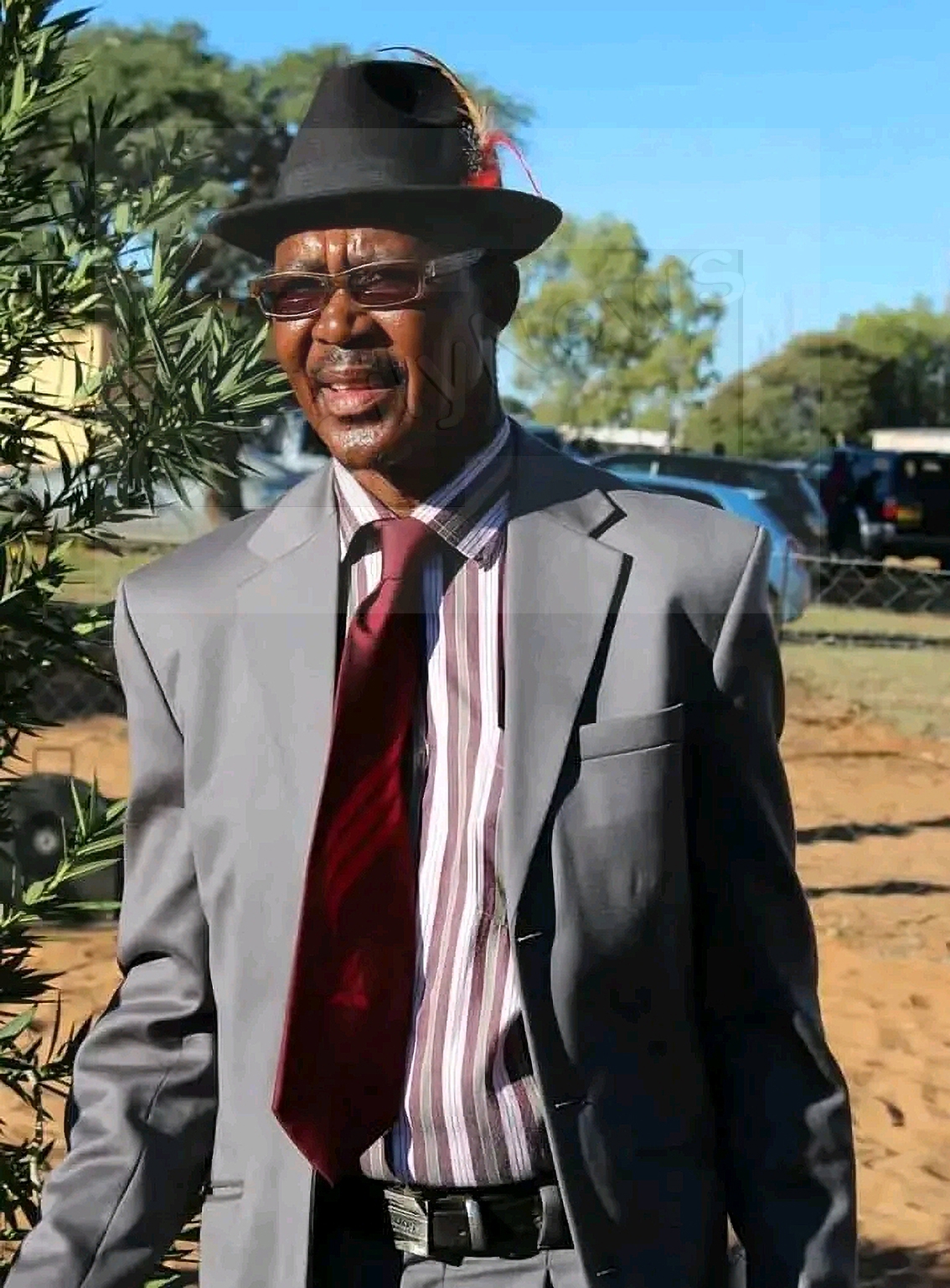
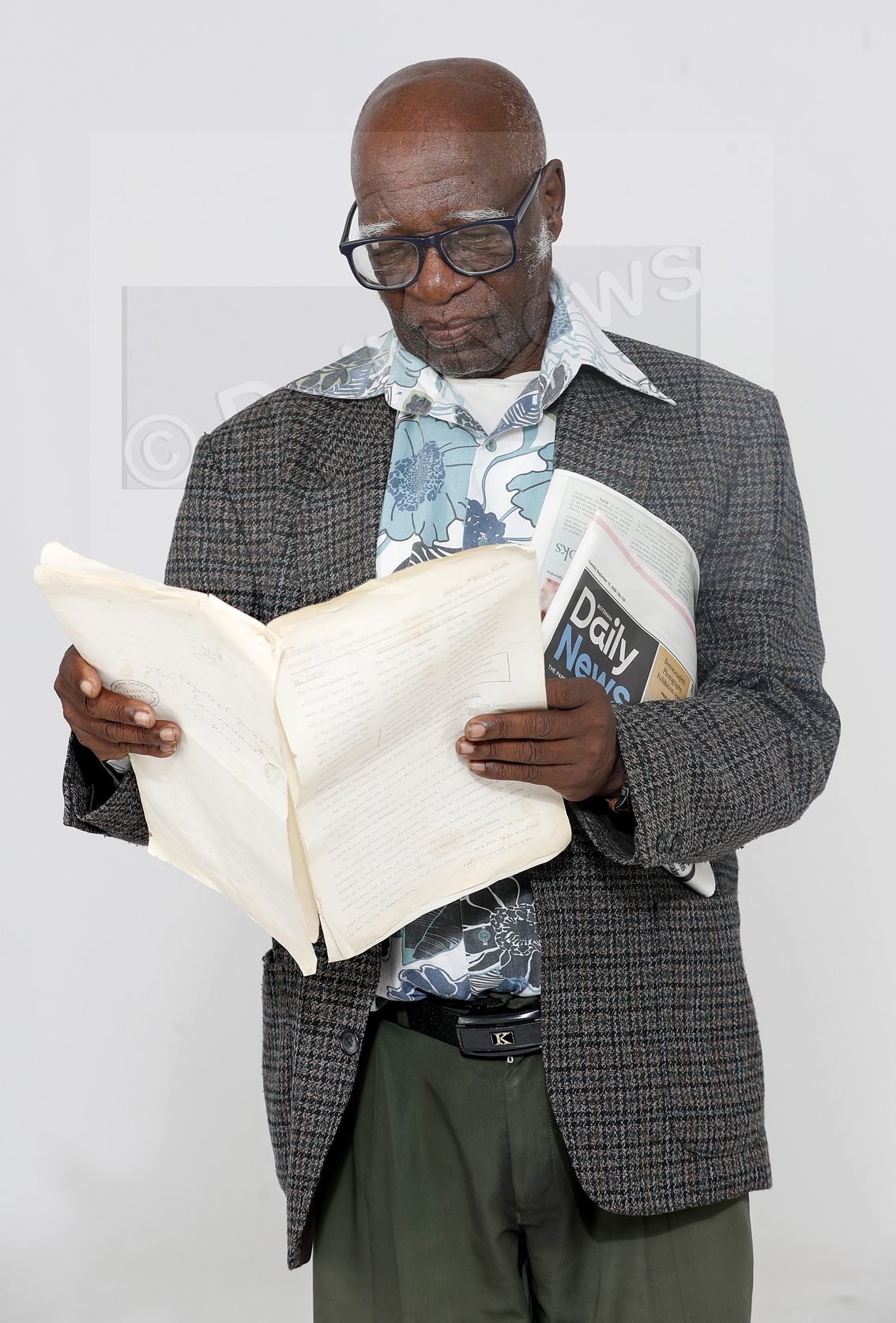
Around 1984 or 1985, veteran retired DailyNewsreporter, Mr Epena Ngatangue and his colleagues, Messrs Tarcisius Modongo and Botswelelo Tlale drove to Ghanzi on assignment.
They checked into Kalahari Arms Hotel and noticed something that troubled them. All the managers were white, while Batswana staff were employed only as cooks and cleaners.
The three journalists filed what they described as an investigative report. Their angle was bold: that apartheid was trying to find its way into Botswana through the hotel.
The story ran in the DailyNews. The owner sued for defamation. Government, which represented the department, lost the case and paid damages of P2,500, a substantial amount at the time.
Mr Ngatangue later said the hotel owner won technically because their evidence did not fully corroborate. In court, the journalists’ accounts did not match on every detail.
“During the trial we were even asked to define a fact as opposed to an opinion,” Mr Ngatangue recalled.
“The defence wanted to know whether what we wrote was a fact or just an opinion we formed while staying at the hotel.”
Looking back, the journalists can now laugh about it, but at the time it was a serious lesson.
It was one of the few times the DailyNews found itself in court. It was also a sign of how far the paper had come from simply carrying government notices to attempting investigative journalism.
That journey began long before independence. The DailyNewsstarted as a simple black-and-white tabloid. Its mandate was clear: to serve as the mouthpiece of government and inform citizens about policies, programmes and nation-building.
At the time, the country was still called Bechuanaland and government business was run from Mafikeng in South Africa.
The first editions reflected that era. Pages were filled with colonial notices and official announcements. A typical headline read:
“The Resident Commissioner is going on leave.” There were no photographs, no feature articles, just plain text.
Retired veteran journalist Mr Kwapeng Modikwe, who joined in 1973, remembers the paper as an A4 publication, sometimes only four pages long.
“It was written by British white journalists with no bylines and read mainly by the elite and colonial workers,” he said.
He said the paper, which carried only text, was already in existence before independence, possibly as early as 1962, and was distributed as part of the Mafikeng Mail.
After independence it was detached and became a standalone government paper produced by the Bechuanaland Government’s Information Division.
Mr Modikwe said the pre-independence paper focused on the activities of the British colonial administration without any catchy headlines. However, towards independence it began carrying stories on the transition, such as the issuance of the writ of election, while still reporting news from Britain.
Court stories were rare. After independence in 1966, the focus shifted to building a new nation devastated by challenges, including the 1965 drought. He cited 1967, when heavy rains destroyed infrastructure. In Mochudi, for example, the only bridge that existed was swept away by floods, leaving residents unable to cross for 10 days.
“Credit must go to the first Batswana journalists who endured and made the newspaper what it is today,” Mr Modikwe said.
It was after 1966 that Batswana began taking their place in the newsroom.
The pioneers included Mr David Matshediso, Mr Botswelelo Tlale, Mr Johannes Pilane, Mr Dionysius Rabantheng, Mr Mishingo Mpaphadzi, Mr Johnson Kaikwe, Mr Charles Shamukuni, Mr Chandabona Solo, Mr Kwapeng Modikwe, Mr Samuel Moribame and Mr Solomon Lotshe.
Others Mr Kgosinkwe Moesi, Kgosi David Toto, Mr Aldrin Seretse, Mr Tarcisius Mudongo and Mr Lebang Raditladi.
Most started as messengers. The position of “messenger reporter” was later created for them to acknowledge their dual role of serving as both messengers and reporters. Figures like former Director of Information Services Mr Bapasi Mphusu, known as “the Roving Reporter”, came later.
The department was first led by Mr Ephraim Setshwaelo as director, with others like Mr Boithoko Setshogo, Ms Emelda Mathe, Mr Mogolori Modisi and Dr Margaret Nasha later following to oversee the different phases of the paper’s growth.
Mr Modikwe said directors like Mr Setshwaelo were hands-on. “He was the best – the best copy taster, best editor, and he even wrote commentary, which was later cancelled because you cannot bite the hand that feeds you.”
Most of the founding reporters have since passed on. Major General Pheto, who covered stories relating to the Zimbabwe liberation struggle while based in the north, later joined the Botswana Defence Force.
In those days, before typewriters became common, stories were sent to Gaborone by bus for printing. Editors collected them at the bus rank.
The arrival of the telex and later telephone lines eased communication, though reporters in remote stations like Kasane, Maun, Ghanzi and Tsabong still faced challenges.
Even with automatic lines, reporters had to dictate stories to colleagues at headquarters, leading to the hiring of typists, a practice that later got phased out with the introduction of computers.
The two-way radio, or “roger roger”, was also used to check on reporters and relay urgent information.
For many years the paper’s role was to educate. During the drought of the 1980s, coverage focused on farming, ploughing and government relief.
By the 1990s, the same decade as the Ghanzi case involving Mr Ngatangue and his colleagues, the DailyNews began employing trained journalists and their bylines became synonymous with the paper.
The paper grew from an A4 bulletin into an eight to 12-page broadsheet, and eventually into one of the country’s most widely read newspapers, competing with Mmegi and The Guardian.
Veteran journalist Mr Molefhe Mmamapilo said the paper endured not because it was free, but because people trusted it.
“It reaches even the most rural and furthest of settlements. It carries stories written in simple English and it publishes facts,” he said.
Today, as Botswana marks 60 years of independence, the DailyNews has entered a new chapter. The Minister for State President, Defence and Security, Mr Moeti Mohwasa officially launched the redesigned DailyNews newspaper last year, a milestone in the country’s public media journey.
The revamped DailyNews features an updated layout and an expanded focus on feature storytelling and citizen perspectives.
The paper, which started as a simple black-and-white tabloid carrying only government notices, has transformed into a modern, full colour publication available in print and online at https://dailynews.gov.bw .
In its early years, the DailyNews did not carry advertisements. Its role was purely to disseminate government information. With time, government realised the paper could also generate revenue through adverts.
The move drew resistance from the private press, which argued that government should not compete in business and that advertising should be left to private media which they said was struggling to survive. Despite the complaints, government proceeded.
The DailyNews began carrying adverts and has since become one of the most preferred newspapers for advertising.
With the latest relaunch, state media will move further toward commercialisation through building partnerships to reinvest in high-quality local content production.
From headlines such as The Resident Commissioner is going on leave in the Bechuanaland era, to court cases like the Epena Ngatangue Ghanzi story, to drought relief, diamond sales, health and national security, the DailyNews has walked with Botswana for over 60 years.
With all the growth that the paper has registered over time, its core purpose has not changed.
As the country marks six decades of independence, the DailyNews remains what it has always been - the messenger of the state. Only now it speaks to all Batswana, in every village, in print and online. ENDS
Source : BOPA
Author : Thamani Shabani
Location : Francistown
Event : Feature
Date : 08 Oct 2026
Related News
08 Oct 2026