Official Highlights Importance Of Play

01 Jun 2026
There was a time when childhood announced itself loudly.
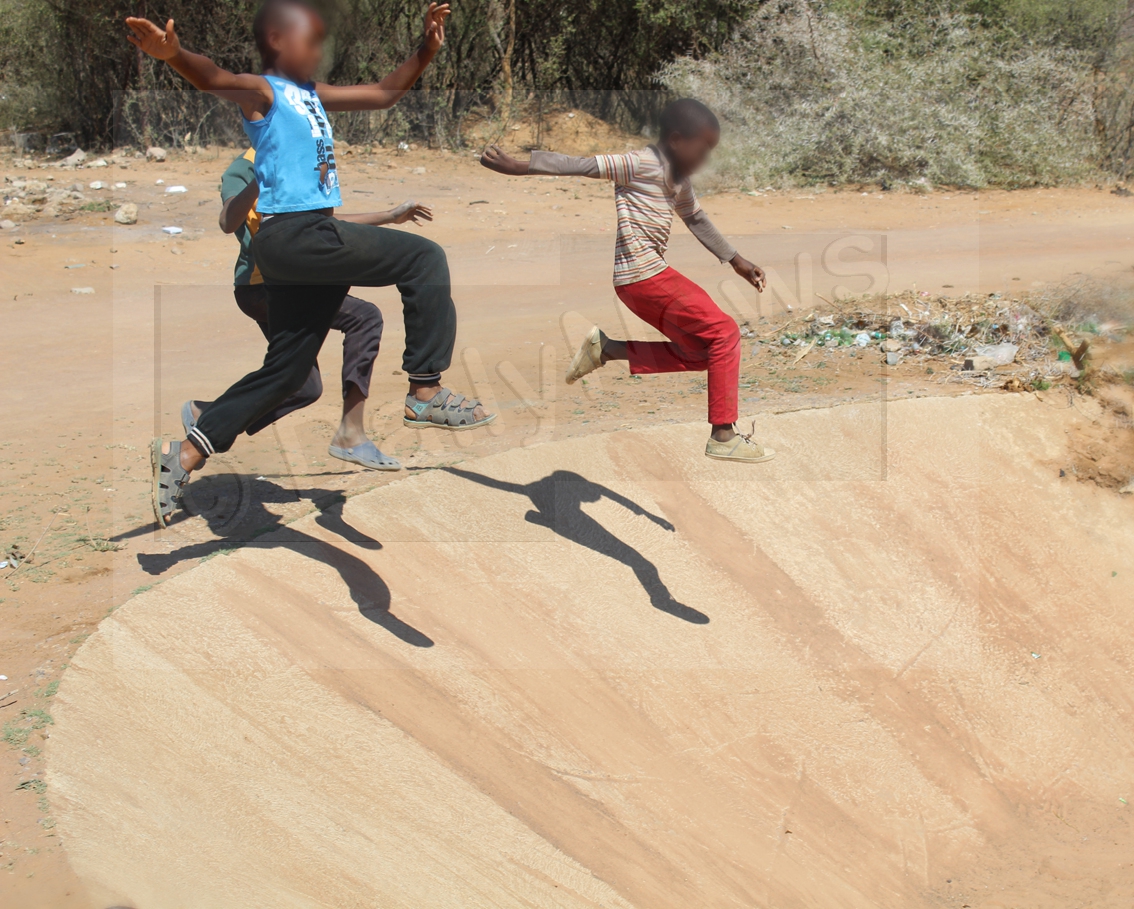
It lived in dusty streets, in scraped knees and laughter that carried across neighbourhoods until sunset. Children raced homemade wire cars down gravel roads, climbed trees without fear and turned every open space into a playground.
Today, that sound has faded.
In many homes, childhood now unfolds indoors, behind glowing screens, in long hours of sitting and scrolling. The movement that once defined growing up is slowly disappearing and with it, health experts warn, comes a silent but dangerous consequence: the rise of non-communicable diseases (NCDs) among children.
Diseases once associated almost entirely with adulthood such as obesity, diabetes, cardiovascular complications and some cancers are increasingly being diagnosed in younger age groups.
For health professionals, the trend is deeply concerning.
Chief public relations officer in the Ministry of Health, Dr Christopher Nyanga, said although NCD prevalence among children remained lower than among adults, the upward trajectory cannot be ignored.
He said children were being affected by NCDs, noting that conditions such as childhood cancers, type 1 diabetes and cardiovascular diseases were becoming more visible.
He attributed the rise largely to unhealthy diets, obesity and increasingly sedentary lifestyles.
Modern childhood, he explained, was now heavily shaped by technology. Phones, tablets, televisions and gaming devices have become central to children’s daily routines, often replacing outdoor play and physical activity.
While digital platforms provide both entertainment and educational value, excessive screen time has significantly reduced movement among children.
“Physical activity is essential for healthy growth and development,” Dr Nyanga said. He explained that regular movement strengthened bones and muscles, supported heart health, helped regulate body weight and contributed positively to mental wellbeing. Without it, children face a far greater risk of obesity and future health complications.
Diet, too, has become a major contributor to the growing burden of NCDs.
The Challenge Botswana Faces Mirrors A Growing Global Crisis
According to Dr Nyanga, NCDs account for approximately 70 per cent of deaths worldwide, with 86 per cent of premature NCD-related deaths occurring in low and middle-income countries.
Globally, more than 2.1 billion children and adolescents under the age of 20 are affected by NCDs, including diabetes, chronic respiratory diseases, cancers, cardiovascular illnesses and mental health conditions.
Every year, approximately one million people under the age of 20 die from treatable NCDs.
In Botswana, the 2023 Botswana Mortality Report attributed about five per cent of deaths among people under the age of 20 to NCDs. But while statistics reveal the scale of the problem, the reality often begins quietly inside ordinary homes. For many families, keeping children indoors is not simply about convenience.
One parent,Ms Makanaka Titose said safety concerns had fundamentally changed the way children experience play. She said reckless driving, crime and child safety risks had made outdoor spaces feel increasingly unsafe for many parents.
As a result, many families choose the safety of indoor spaces over outdoor activity. “While understandable, this protective instinct has unintended health consequences,” she said.
In trying to shield children from immediate dangers, society may unintentionally be exposing them to long-term illnesses that develop gradually and often without obvious warning signs. Unlike infectious diseases, NCDs progress slowly, making prevention especially critical.
Ms Titose noted that socio-economic inequalities continued to make the situation more complex. Many families still lack access to healthy food options, sports facilities and safe recreational spaces. At the same time, rising screen time and the widespread availability of processed foods continue to undermine efforts to encourage healthier lifestyles.
Still, health officials insist the situation is not beyond repair.
According to the Ministry of Health, parents and caregivers remain central to reversing the trend. Families are being encouraged to reduce recreational screen time, establish screen-free routines and promote activities such as walking, cycling, outdoor play, sports and family exercise.
Mental health support, Dr Nyanga added,was equally important.
Open communication, emotional support, social interaction and early professional intervention all contribute to healthier lifestyles and improved wellbeing among children.
“Children often copy adult behaviour. Parents who eat healthily, exercise regularly, manage stress positively and avoid smoking or excessive alcohol use are more likely to influence healthy habits in their children,” he said.
Government and community-based initiatives aimed at promoting healthier lifestyles among children are already underway.
These include commemorations such as the International Day of Play on June 11 as well as High Impact Intervention campaigns held in May and November to promote nutrition, immunisation, physical activity and overall child wellbeing.
As Botswana and the rest of the world work toward building healthier societies by 2030, one message is becoming increasingly clear: childhood was never meant to be sedentary. It thrives on movement, curiosity, exploration and play. The challenge now is not to reject modern life, but to ensure that even in an increasingly digital world, children still have the space, safety and freedom to run, play and grow into healthy adults. ends
Source : BOPA
Author : Lesedi Thatayamodimo
Location : Gaborone
Event : Interview
Date : 01 Jun 2026
Related News

08 Oct 2026