Family welfare officers Heroes on the front line
29 May 2026
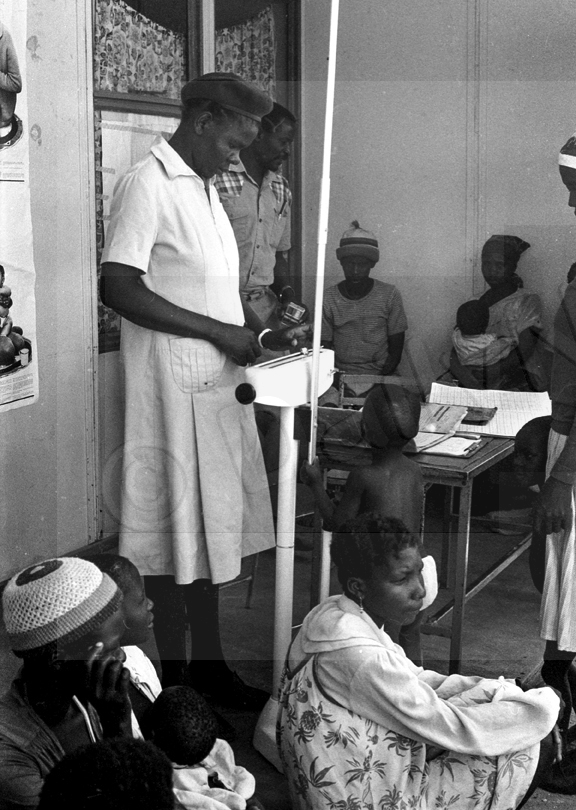
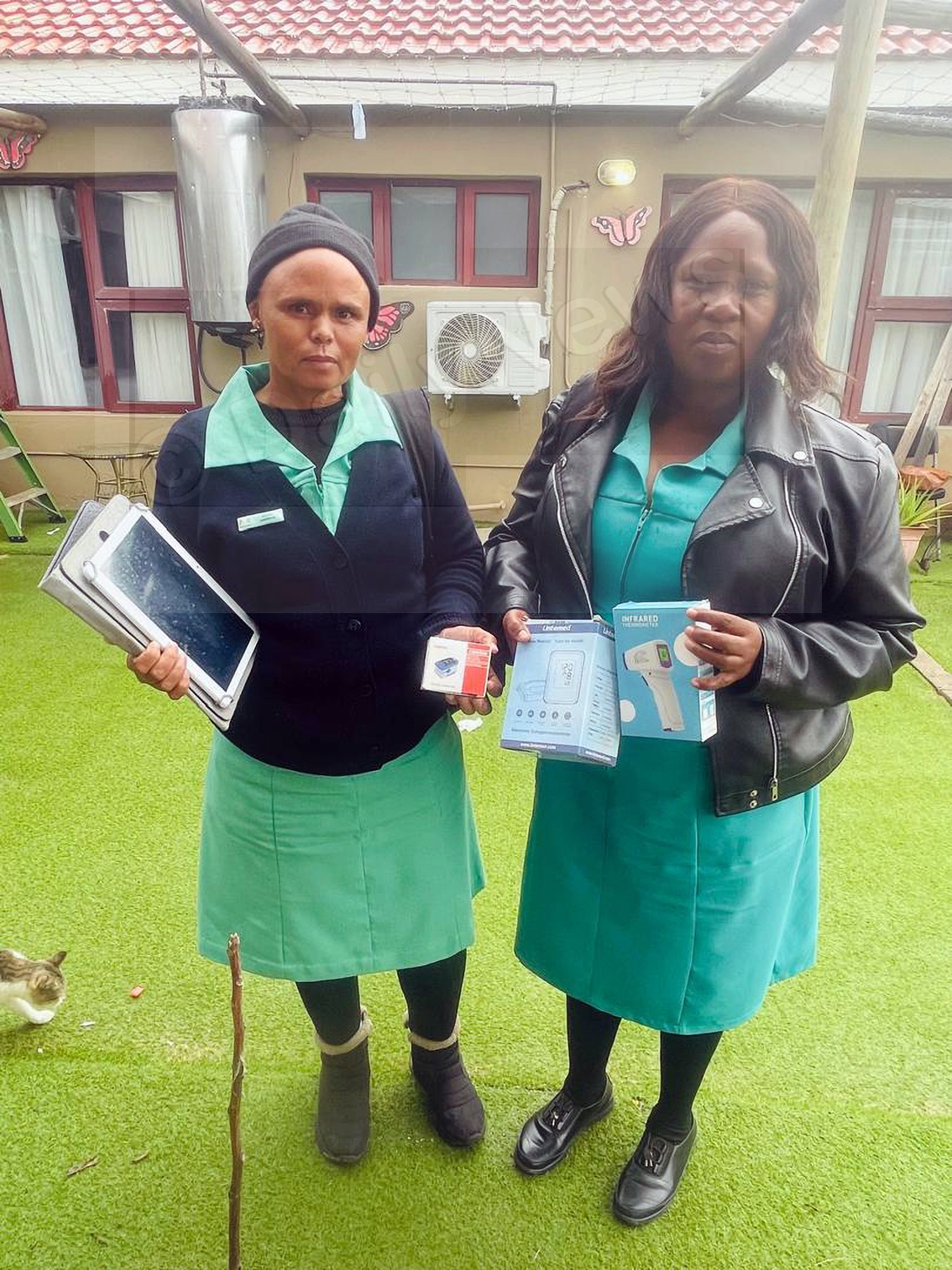
In the 1980s, she arrived on a bicycle, a notebook tucked under her arm and a manual scale in her basket. Today, her successor arrives with a digital tablet, a thermometer and a pulse oximeter. While the tools have changed, the mission remains the same: bringing life-saving care to the doorsteps of those who need it most.
Today as Botswana navigates the complexities of a post-pandemic world and the rising tide of non-communicable diseases (NCDs), the role of the Health Education Assistant (HEA) - formerly known as the Family Welfare Educator (FWE) - is being thrust back into the spotlight.
Following the 1978 Alma Ata Declaration, Botswana became a global leader in Primary Health Care. The FWEs of that era were the "social glue" of the health system.
According to principal technical officer - Primary Health Care (PHC) Mr Kesego Mosekiemang, it was between 1970 and 1990 that through the aggressive community outreach of Family Welfare Educators, there was a significant decline in child mortality across the country.
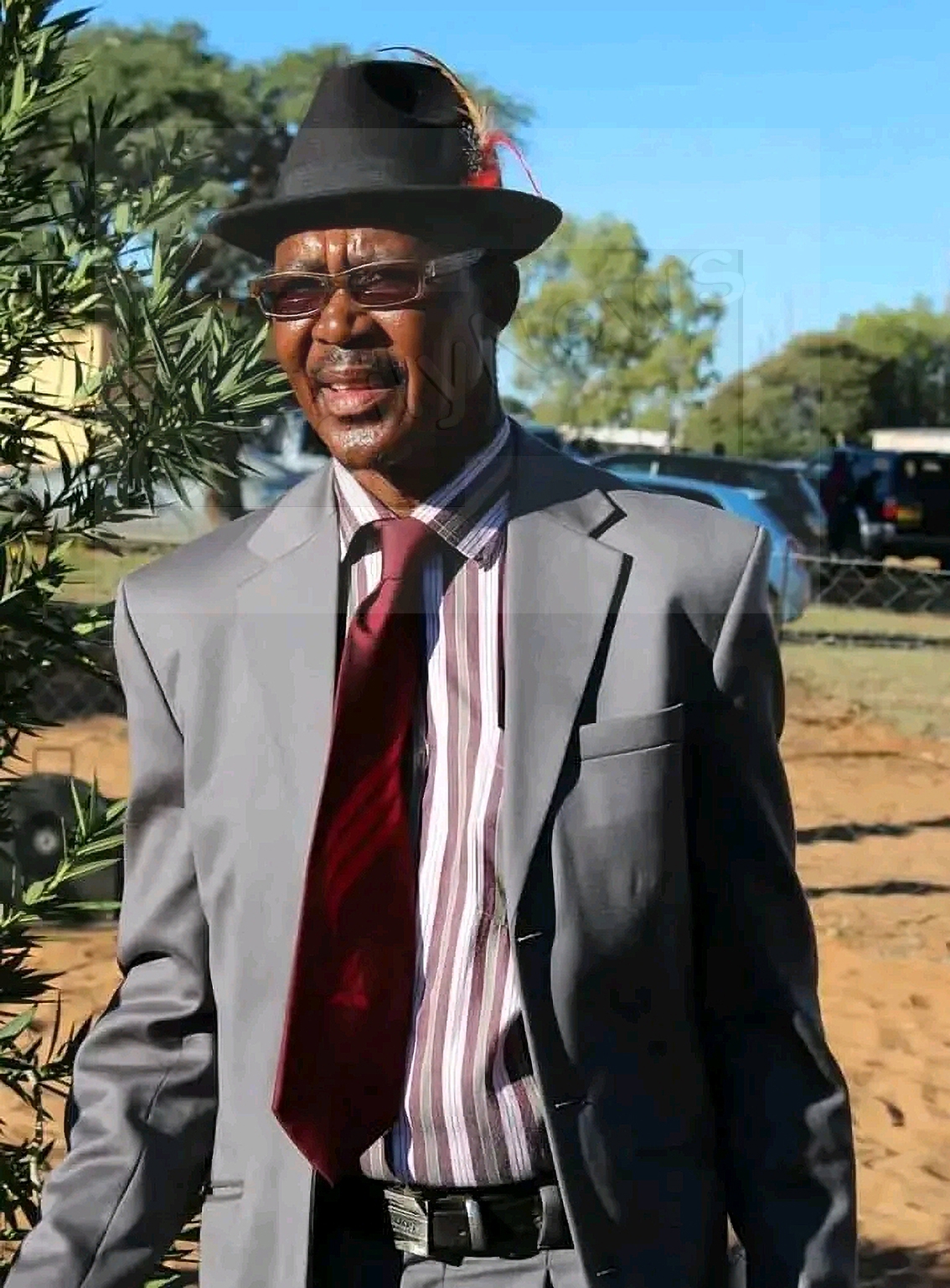
In Tsabong, that evolution is not found in textbooks, but in the memories of women like Ms Ednah Coetzee, a retired Family Welfare Educator who served the district for 34 years.
"In my day, we did not have tablets. We had our feet and a very loud voice. If a child missed their polio drops, I did not just send a message - I walked to the cattle post to find them. We were the eyes of the doctor in places the doctor could not see,"Ms Coetzee recalls, adjusting her shawl against the Kgalagadi wind.
Ms Coetzee began her career in 1974 at the age of 20, earning just P275.
She recalls a period when they relied on manual scales and often operated under the shade of trees in areas where health posts had not yet been established.
According to her, while tuberculosis and malnutrition were the primary concerns then, NCDs were a rarity compared to today.
Despite the challenges, she remembers their workplace as a peaceful and friendly environment that they truly enjoyed.
The mid-1990s, the HIV and AIDS epidemic forced a painful pivot. The health system became "curative-heavy," focusing on treating the sick in clinics rather than preventing illness in the home.
During this time, the FWEs were renamed HEAs, and many found themselves desk-bound, their legendary home visits dwindling.
However, 2026 marks a turning point.
Under the Integrated Community-Based Health Services (ICBHS) model, the HEA is returning to the field, now armed with Fourth Industrial Revolution (4IR) technology.
In the Tsabong District, HEAs are using modern tools to monitor oxygen levels and blood pressure under the shade of a client’s porch.
Ms Rachel Hendricks, a young HEA currently stationed in Struizendam represents this new era.
"Ms Coetzee’s generation built the trust. My job is to back that trust with data. If I see a high blood pressure reading of 160/100 mmHg, I do not wait; I use my tablet to alert the clinic immediately. We are catching 'silent killers' like hypertension before they reach the emergency room," Ms Hendricks says while syncing her tablet.
Despite the digital upgrade, she says the job remains physically gruelling.
In Struizendam, HEAs face challenge of having to walk vast distances between households in deep sand and the scorching heat.
“With a shortage of transport, reaching the daily target of two home visits often feels like a marathon through the dunes.
The area is also surrounded by farms, which makes it difficult to do our daily check-ups,” she says.
Social hurdles continue to impede progress, as health education is frequently categorised as a "woman's space," according to 53-year-old Ms Mpho Babui, a Health Education Assistant based in Makopong.
She notes that low male participation remains a primary barrier to addressing critical issues such as substance abuse and HIV risk factors.
Ms Babui further highlights gender disparity within the profession itself, stating that out of 11 HEAs, only two are male.
This imbalance, she explains, complicates their outreach efforts, as certain sensitive health topics are often best navigated through peer-to-peer, man-to-man dialogue.
Compounding these social challenges are significant logistical constraints.
The team must contend with vast distances between households, a chronic shortage of transportation, and a lack of dedicated funding to host essential health commemorations, stated Ms Babui.
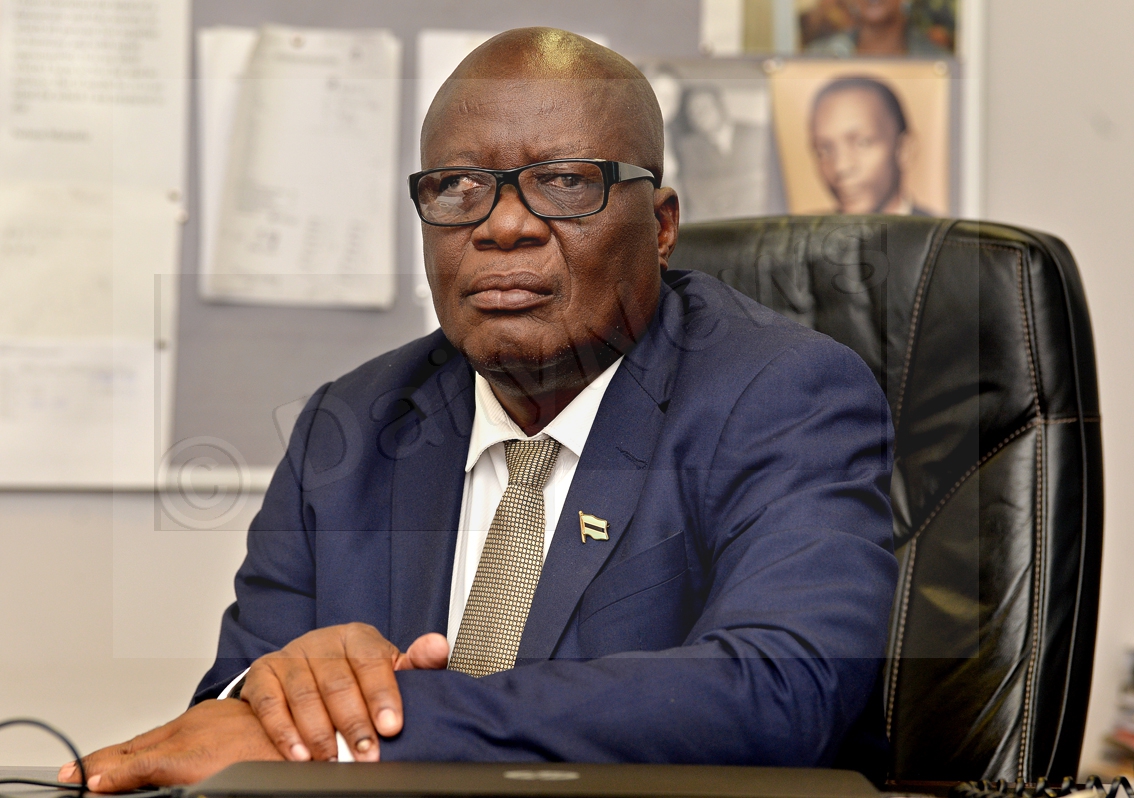
Mr Mosekiemang further explains that the recent relocation of health services to the Ministry of Local Government and Traditional Affairs has brought health workers closer to village leadership.
This shift aims to ensure that health is nurtured at the kgotla and the home, not just the hospital.
He confirms that in the Tsabong District, despite limited funding and transport, HEAs conducted over 1 300 home visits during the 2025/2026 cycle.
The programme operates across 11 active villages, including Omaweneno, Makopong, Middlepits and Khawa, to ensure that preventative care reaches even the most remote households.
From maternal health education in Khawa to hygiene promotion in Middlepits, these workers are bringing preventative services back to the heart of the community. ends
Source : BOPA
Author : Naomi Leepile
Location : Tsabong
Event : Interview
Date : 29 May 2026
Related News
08 Oct 2026