Sikwane church Seven decades of faith learning and community
25 Sep 2026
Long before Botswana raised its national flag as an independent nation, communities such as Sikwane were already laying foundations that would shape generations.
At the heart of that community stood a church.
For generations, the Dutch Reformed Church in Sikwane was more than a place of Sunday worship. Its doors opened to children seeking education, women learning sewing and homecraft, boys acquiring woodwork and other practical skills, and adults who had missed formal schooling being taught to read and write.
For families facing bereavement, it offered something less tangible but equally important, a comforting presence at the doorstep and a prayer in times of grief.
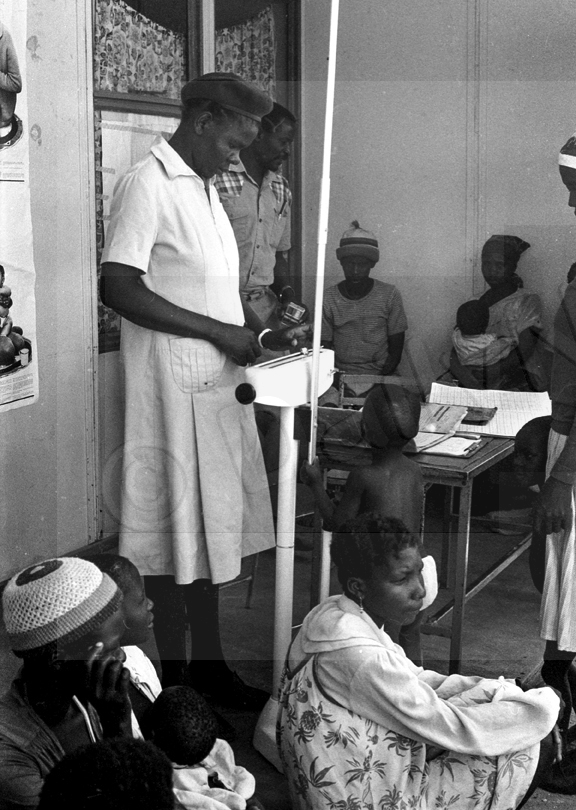
The church was also part of a wider mission that helped bring medical care closer to communities at a time when health services were limited.
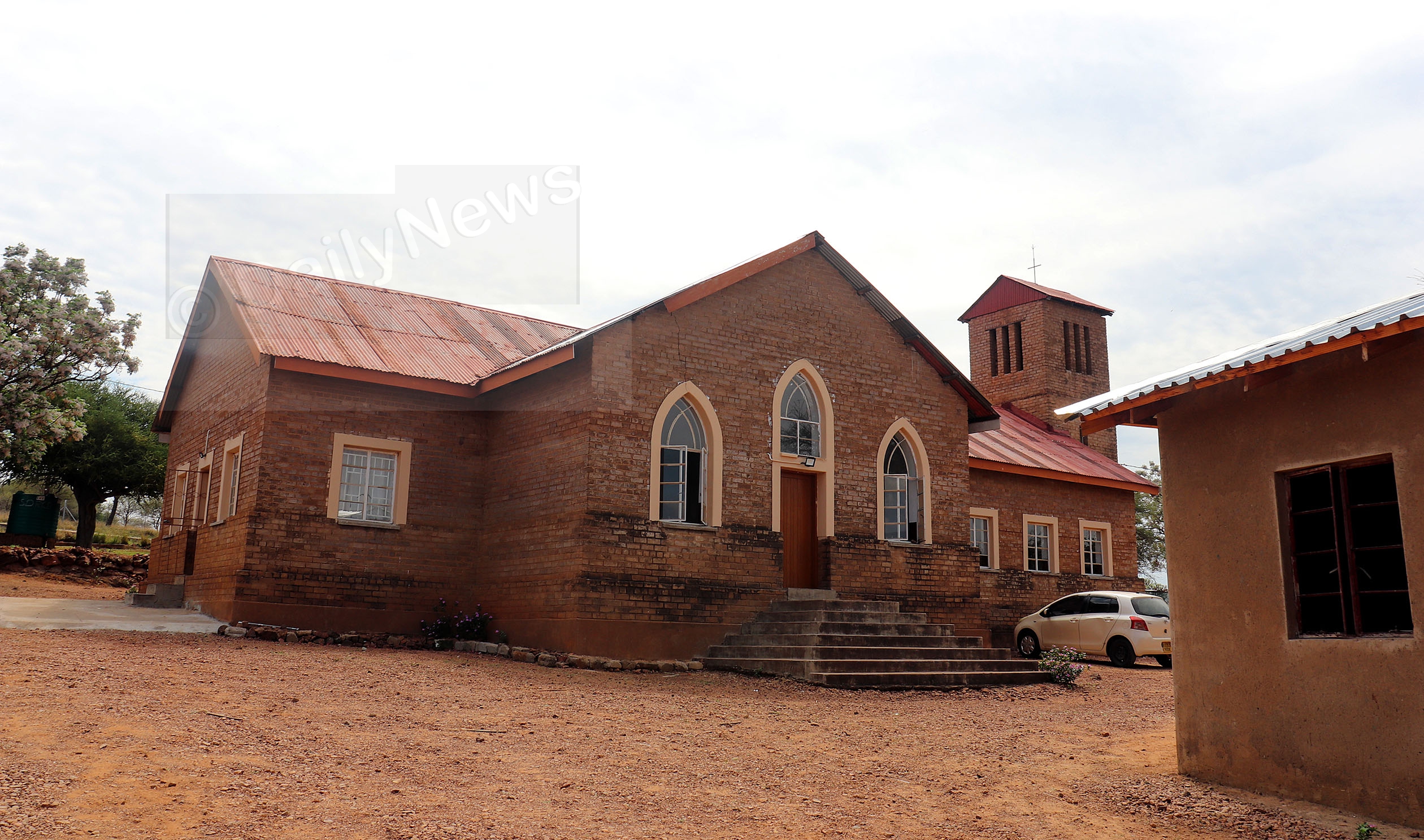
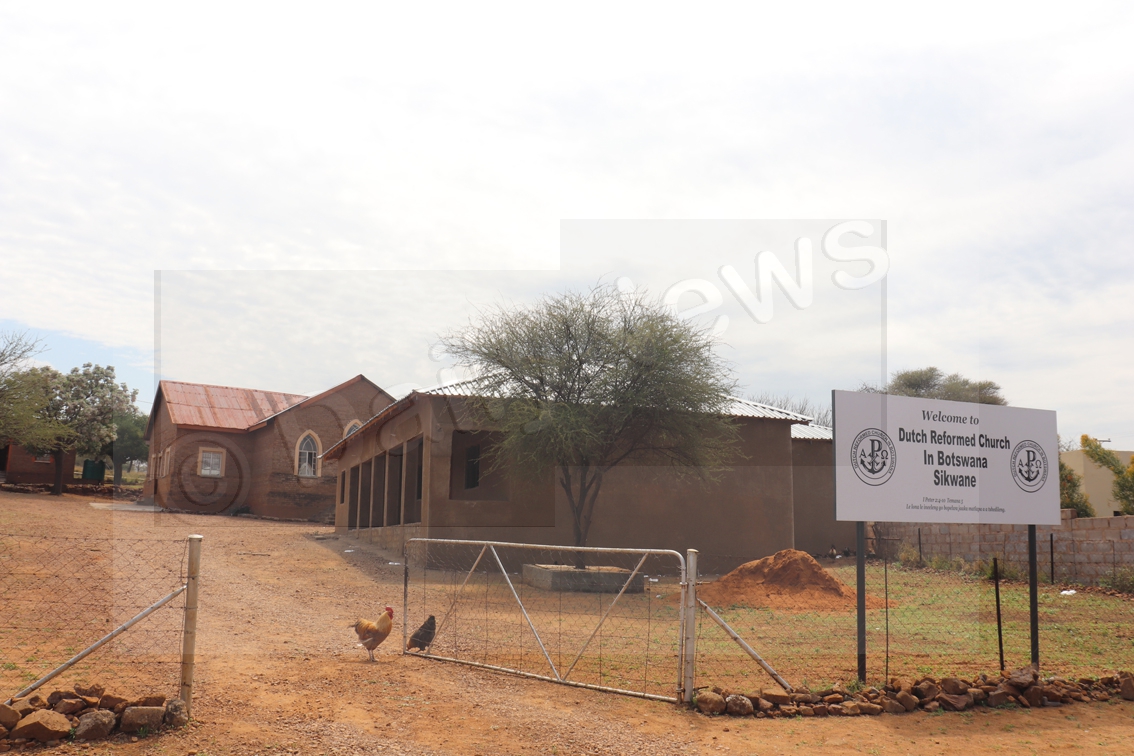
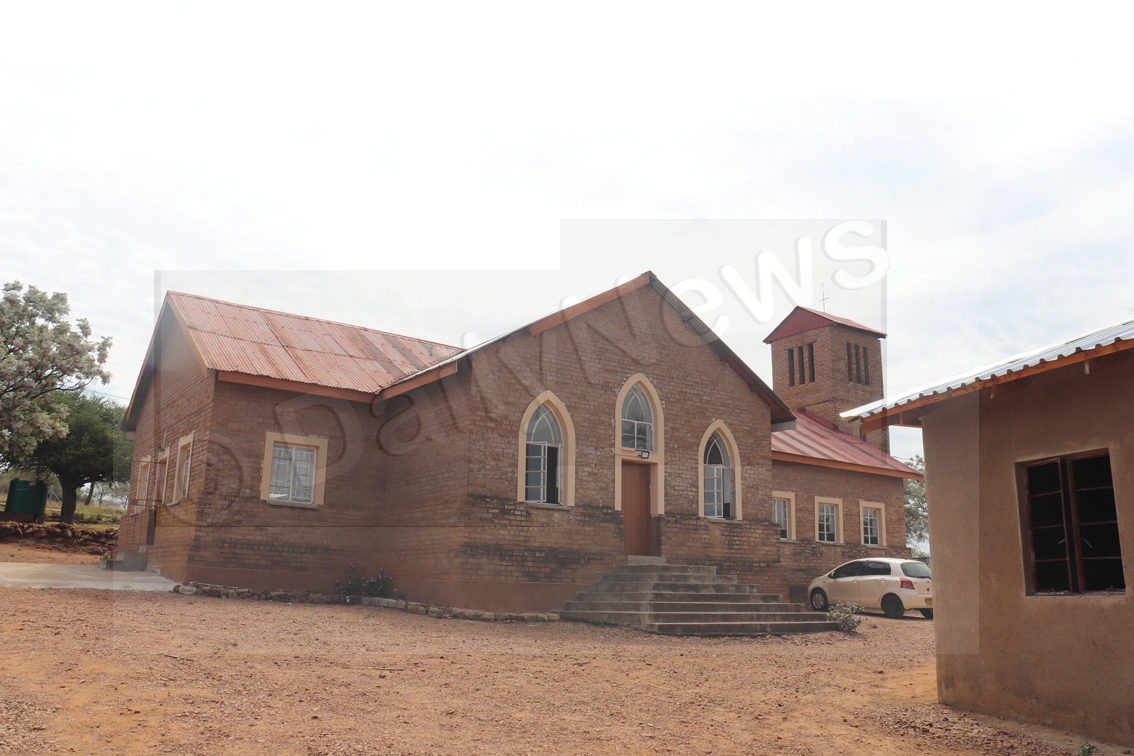
Now, as the Sikwane congregation celebrates 70 years associated with its present church building, it is reflecting on a history deeply intertwined with that of the community it has served.
The anniversary, celebrated on Saturday, comes as Botswana prepares to mark 60 years of independence on September 30.
The story of the Sikwane Dutch Reformed Church branch offers a reminder that Botswana's development did not begin in 1966. Long before independence, communities, traditional institutions, churches and other organisations were already contributing to education, healthcare and social development.
The Dutch Reformed Church's presence among the Bakgatla dates back to the 19th century. Historical records place the establishment of the Sikwane congregation in 1885, following the establishment of a mission outpost there in 1882.
But beyond the dates and buildings is a story of people and of generations whose lives were shaped by the church and its activities.
In his historical account, Reverend Moses Bogatsu traces the growth of the Dutch Reformed Church in Kgatleng alongside the reign of Dikgosi tsa Sekgatla, whose influence extended beyond traditional leadership.
According to Rev Bogatsu, when the Dutch Reformed religion was introduced among the Bakgatla, Kgosi Kgamanyane was the reigning chief and had married several wives.
That historical relationship between the church, traditional leadership and the community would become part of the wider story of the church's presence in Kgatleng.
Seventy years on, the Sikwane church building stands not simply as a place of worship, but as a physical reminder of a period when education, skills development, healthcare, faith and community life often converged under one roof.
Its story is therefore not only about the survival of a congregation.
It is about a community that, long before independence, was already investing in its people, one lesson, one skill, one prayer and one helping hand at a time.
His successor, Kgosi Lentswe I, would later become an important figure in the history of the church and its relationship with Bogosi.
When Lentswe I became interested in Christianity, he went through a period of personal seclusion before eventually accepting the new faith, Rev Bogatsu said.
At the time, Lentswe I was in a relationship with three women. Following his conversion, he sent two of them back to their families and remained with one, whom he later married.
Church historical accounts record that Lentswe I broke with traditional religious practices and was baptised with his remaining wife on February 28, 1892.
His influence, however, extended beyond his personal conversion.
Rev Bogatsu said Linchwe I later played a significant role in mobilising mephato, or regiments, to provide labour towards the construction of the church.
The building therefore became a community undertaking, bringing together traditional leadership, ordinary residents and resources.
Women made mud bricks from a mixture of mud, cow dung and water, while also gathering and bundling thatching grass. Men cut poles, prepared bark for binding the roof structure and transported materials using sledges and ox wagons.
Piece by piece, the community was building more than a church.
It was creating a centre around which aspects of community life would eventually revolve.
The building doubled as a school, bringing literacy and numeracy to residents. Children were initially taught under trees before lessons moved into the church building.
The historical account further records that the land on which Sikwane Primary School now stands was originally associated with the church. The church later acquired another site to allow the school to continue serving the community.
In this way, the story of the church became inseparable from the story of education in Sikwane.
Its walls carried prayers, but they also carried lessons.
Its grounds brought together worshippers, learners, families and community members.
And its construction, remembered through the labour of men and women who made bricks, gathered grass, cut poles and transported materials, reflected a simple principle that has endured across generations, that a community could build its future with what it had and with the strength of its people.
Seventy years after the present church building became part of Sikwane's landscape, its significance lies not only in its age, but in the generations that passed through its doors.
Its story is ultimately a story of faith, education, skills, service and community and of a Botswana whose development was already underway long before independence.
The church's reach extended far beyond Sunday worship.
Its services were heavily subsidised, making them accessible to communities with limited alternatives, while its social ministry brought care directly into the homes and lives of vulnerable families.
During the 1950s and 1960s, social workers Nora Kirchner and Virginia Sekate introduced a programme known as huisbesoek, meaning home visits, Rev Moses Bogatsu said.
They visited church members and prospective members, checked on those who had stopped attending services and sought to understand the challenges confronting families.
For the bereaved, their visits offered companionship at a time when grief could make even ordinary days difficult.
They visited families before and after funerals and prayed with them in the days following the death of a loved one.
Their work did not stop at the village.
Rev Bogatsu said the social workers travelled to farming areas such as Matswere during periods of prayer, meeting farmers on their lands so that distance from the village would not also mean distance from the church.
The church, in this sense, followed its people.
Women form another important thread in the history of the Sikwane congregation.
Rev Bogatsu's historical account records that in 1944, during Reverend Murray's leadership, a conference was held in Sikwane, leading to the introduction of a Mothers' Union following engagement with a Mothers' Union from Mafikeng. The group reportedly travelled to Sikwane by ox wagon.
“Mmamoruti Anna Phiri later played an important role in establishing Mothers' Union branches in 1950, while a youth union was also formed around the same period,” he recalls.
Over the years, generations of women helped sustain the congregation through concerts, singing and fundraising.
Their contribution becomes even more striking when viewed against the social structures of the time.
Rev Bogatsu said women were for many years excluded from the main church structures, with men traditionally being the only ones allowed to serve on the church council.
“Yet women were simultaneously carrying significant responsibility for the life and sustainability of the congregation,” he said.
Their influence was therefore often felt not through formal positions, but through the practical work that kept the congregation active and connected to the community.
The church itself also bore the marks of the society in which it operated.
According to Rev Bogatsu's historical account, between 1960 and 1966, white members from the mission hospital attended services in increasing numbers.
Inside the church, the seating arrangement reflected the racial and social hierarchy of the time.
Separate portions were designated for white and black congregants, while the chief occupied a special chair near the pulpit.
It was a physical arrangement that reflected a society still divided along racial and social lines, even as the church continued to provide education, spiritual support and other services to the wider community.
“It is an uncomfortable part of the church’s history, but an important one,” he stressed.
For today's congregation, these memories form part of a much larger story , one that includes faith and service, but also the social realities through which the church and its people lived.
Seventy years on, the Sikwane church building stands as a witness not only to the passage of
time, but to the generations who built, worshipped, learned, served and found comfort within its walls.
The story of Sikwane, Rev Bogatsu said, therefore cannot be told only as a story of development. It must also be understood within the inequalities that characterised the pre-independence era.
Yet from that complex history emerged a congregation that became a foundation for the church's wider presence in Kgatleng, eventually giving rise to four additional branches in Mmathubudukwane, Mabalane, Malolwane and Ramonaka.
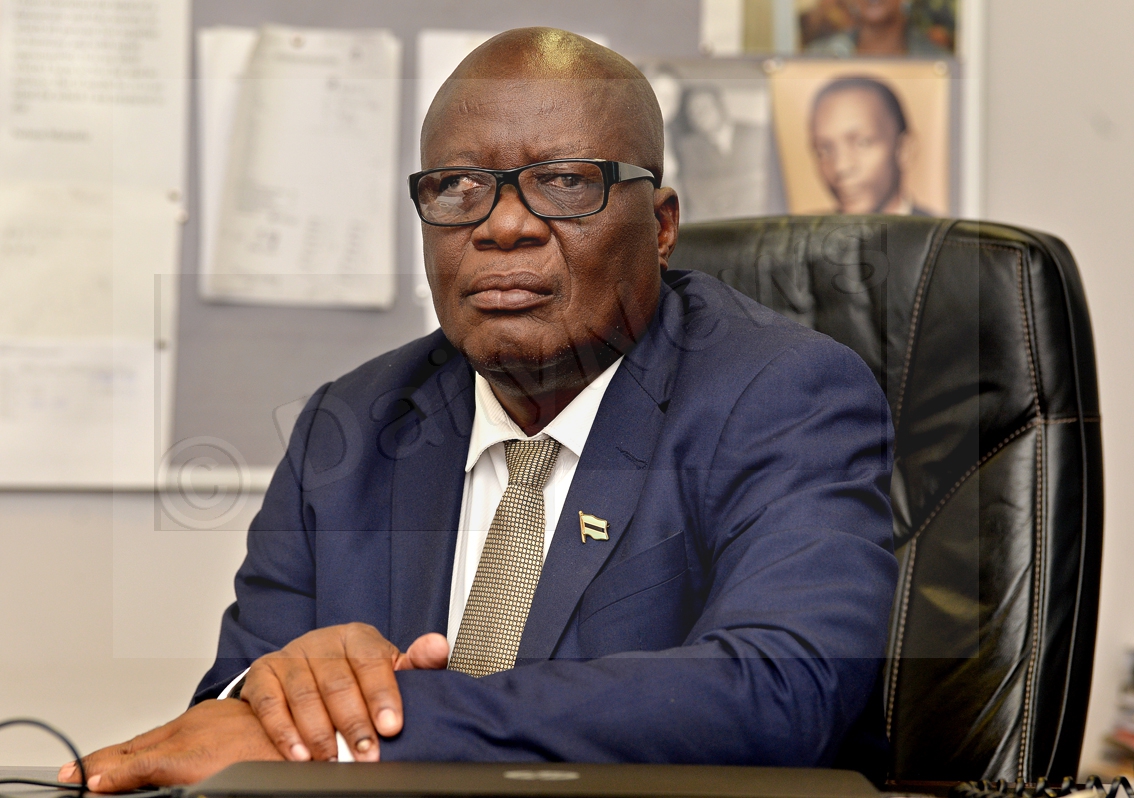
Assistant Minister of Basic Education and Child Welfare, Mr Justin Hunyepa, said the 70th anniversary provided an opportunity to reflect on where communities came from, the heritage embedded in the church and how its legacy could be used to improve people's lives.
He said the church had historically played a critical role in communities, particularly in education, health, skills development and social welfare, long before some of those responsibilities were fully assumed by government.
Mr Hunyepa also commended the Dutch Reformed Church for its role during the apartheid era, saying it provided refuge and protection to black people who faced racism and discrimination.
He said the church's history should serve as a reminder to governments of the importance of respecting the dignity and human rights of every individual, regardless of race.
“Faith is evidenced by works,” Mr Hunyepa said, noting that the church had demonstrated its faith through tangible interventions that improved people's lives.
He said the church had been instrumental in providing education in various forms before government-established schools became widespread.
In the health sector, Mr Hunyepa highlighted the establishment of Deborah Retief Hospital in Mochudi, saying the church helped bring health services closer to communities at a time when government hospitals were not yet widely available.
He said the Dutch Reformed Church had made significant contributions to the development of Kgatleng and beyond, including its continued involvement in institutions serving people with disabilities.
Mr Hunyepa cited the Pudulogong Centre for the Blind, Mochudi Resource Centre for the Blind and Motswedi Rehabilitation Centre as examples of the church's contribution towards creating opportunities for people living with disabilities.
These initiatives, he said, demonstrated that disability should not prevent people from accessing opportunities or contributing meaningfully to society.
The church also contributed to the establishment of the Mochudi Home Craft Centre, where people were equipped with practical skills to improve their livelihoods and support their families.
The church’s historical records show that the Dutch Reformed Church in Botswana was formally constituted as an autonomous church on November 20, 1979, after decades of mission work connected to the Dutch Reformed Church structures outside Botswana.
As Botswana approaches 60 years of independence, the story of Sikwane branch is therefore more than the history of a congregation marking 70 years of its present church building.
It is a window into a Botswana that existed before independence and into some of the foundations upon which the post-independence nation was built.
ENDS
Source : BOPA
Author : Lindi Morwaeng
Location : SIKWANE
Event : Feature
Date : 25 Sep 2026
Related News
08 Oct 2026