Early childhood development priority
18 May 2026
At a time when concerns over declining academic performance continue to shadow parts of Botswana’s education landscape, the Ministry of Child Welfare and Basic Education has turned its attention to the earliest years of learning, where it says, the foundations of national success are truly formed.
This message took centre stage at the official launch of training for early childhood development practitioners, where government officials, educators, and stakeholders gathered to reimagine what learning should look like before a child ever holds a textbook.
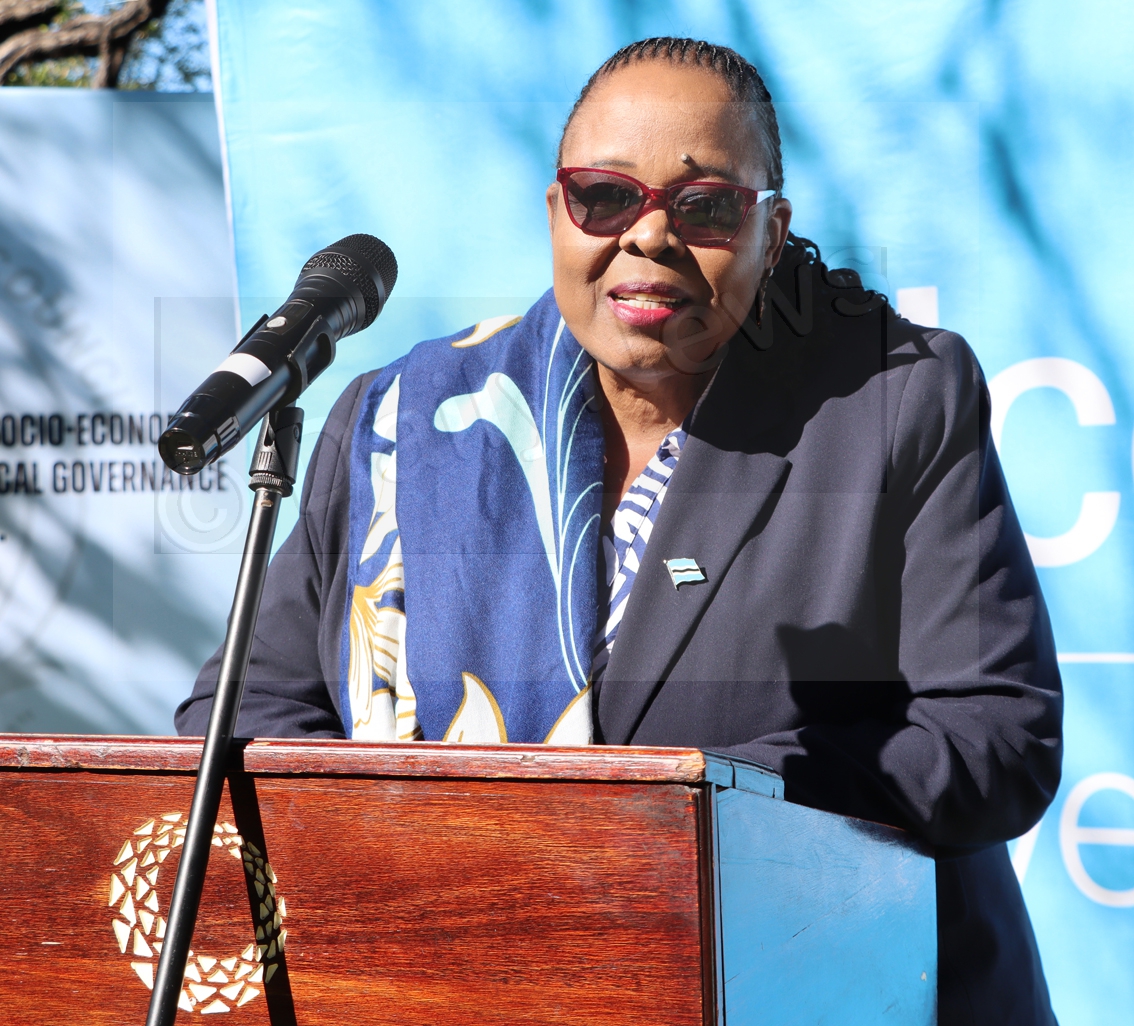
Minister of Child Welfare and Basic Education, Nono Kgafela-Mokoka emphasised that Botswana’s future economic strength depended on how children were nurtured in their earliest years, arguing that academic excellence could be separated from early exposure to skills, environment, and practical learning.
She stressed that children were active learners shaped by what they observed and experienced on a daily basis.
“Early childhood development is not only the foundation for learning, it is the foundation for human capital development, social cohesion, and national prosperity,” she said.
She added that investment in early years of education produced the highest social and economic returns, making it a critical national priority.
The minister further argued that children learnt more effectively through observation and interaction with their environment than through textbook instruction alone, noting that early exposure to practical experiences helped shape adaptable and skilled citizens.
She highlighted the importance of allowing children to learn from nature and to develop hands-on skills from an early age an approach she said would better prepare learners for the demands of a changing labour market.
She indicated that the ministry was moving toward a more responsive curriculum model, one informed by community needs and labour market realities.
According to her, the ministry would soon engage communities across the country to identify the skills most needed in different sectors, with the intention of integrating those into early childhood development frameworks.
She pointed to sectors such as mining as examples where early exposure to practical knowledge could help shape future competencies.
She also referenced ongoing policy instruments such as early learning development standards, which are expected to strengthen the foundation of education delivery nationwide.
Speaking at the launch, vice chairperson of the Hospitality and Tourism Association of Botswana (HATAB) Mr Tebogo Boalotswe said the industry had a deeper responsibility in shaping Botswana’s future beyond tourism revenues and conservation.
He noted that while tourism was often associated with wildlife, hospitality, and infrastructure, its true foundation lied in people.
He argued that the sector’s long-term success depended on the skills, discipline, creativity, and resilience of the children who would one day become its workforce.
“Early childhood development must be seen as a strategic investment rather than charity, as it is essential to workforce development and national economic planning,” he said.
He further highlighted that tourism businesses already contributed to early learning in various ways, including supporting childcare centres for employees in remote areas, assisting community initiatives, and investing in family wellbeing.
However, he noted that those efforts were often fragmented, calling for a more coordinated and structured approach.
“Early childhood development is not only the foundation for learning, it is the foundation for human capital development, social cohesion, and national prosperity,” he said, stressing the need for deliberate private sector investment.
UNICEF representative Mr Kimanzi Muthengi said the initiative was part of an ongoing collaboration with government and the private sector aimed at improving access and quality in early learning.
He noted that early childhood development was critical for brain development and lifelong wellbeing, and that investments in this phase would produce high returns in education outcomes, workforce productivity and social cohesion.
He explained that the tourism and hospitality sector played a unique role because many of its workers were based in remote areas where access to early learning services was limited.
As a result, some tourism companies have established or supported early childhood centres for employees’ children, improving access and equity in early education.
However, he pointed out that many of those centres still faced challenges related to quality assurance, compliance, training, curriculum delivery and learning materials.
The training workshop, he said, was designed to address those gaps through practical capacity building, peer learning, and alignment with national standards.
He emphasised that improving early learning environments was not only a social responsibility for the private sector, but also a business advantage, contributing to staff retention, workforce wellbeing and gender equality. ENDS
Source : BOPA
Author : Gaolethoo Kgatitswe
Location : Maun
Event : Launch of training for early childhood development practitioners
Date : 18 May 2026
Related News
08 Oct 2026