


Batswana need knowledge on PLWDs
18 Oct 2018
Batswana have been called to be sensitive towards People Living With Disabilities (PLWDs).
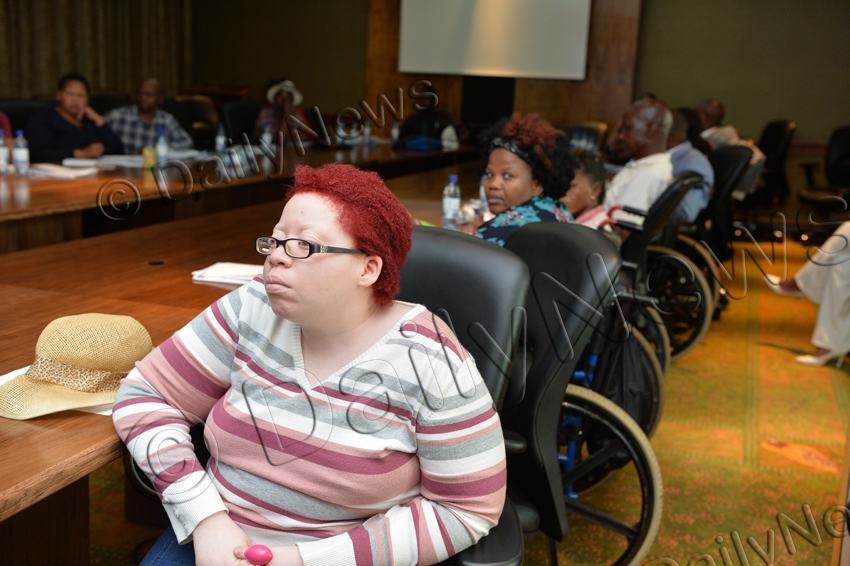
Speaking during the National Disability Framework Consultative conference in Gaborone recently, a fifth year law student at the University of Botswana Ms Dabilo Joina said Batswana needed to be educated on dealing with PLWDs.
Ms Joina, who is living with albinism, said most PLWDs are often looked down upon, mocked and treated as outcasts, which often resulted in many becoming timid, losing self-confidence and unable to stand on their own.
As for those living with albinism, she said they continued to suffer stigma, prejudice, stereotype and discrimination, adding that the discrimination infringes on their fundamental human rights and basic freedoms.
Ms Joina said most people were ignorant of disabilities, and it was important that the nation must be taught sensitivity, and taught better ways to talk, deal with and treat PLWDs.
She pointed out that people must understand that disability could happen to a normal person, could occur as a result of injury, some diseases and genetic disorders.
Recalling her life when she was young, she stated that living with albinism was daunting and challenging everywhere, at playgrounds, in schools and on the streets.
She said she had a good upbringing because her parents stood up for her, which helped her gain confidence.
Ms Joina pointed out that she was taught at a young age that she could speak her mind and therefore was able to speak back to those who would mock her because of her skin pigmentation.
“I never allowed to be put down for any reason, I spoke my mind and for that reason I endured sitting on the floor for most of my basic educational life to be able to see because even on the front row I could not see,” she said.
She stated that poor vision may cause students with albinism to be slow either due to inability to see the chalk board clearly or inability to read books and other learning materials, which had resulted in some not going further with education.
Ms Joina indicated that people living with albinism or any disability were not dull or slow, but being put down, through different ways including stigma, had hindered them to continue getting educated.
She said lack of education and life skills also limited their participation in local, national and international affairs.
“Being called mpopinyanya (little doll) may be said in a nice way, but it damages one inside,” she pointed, saying the use of derogatory names for persons with albinism and PLWDs has led to prejudice and stereotypes.
She therefore urged communities to understand disabilities including albinism and urged that PLWDs should not be hidden from the public, forbidden from socialising with others and treated as outcasts.
She pointed out that all persons are born free and equal in rights and dignity, saying PLWDs were human beings and deserved inclusion, participation and freedoms enjoyed by every other person.
“PLWDs are part of the human society and the diversities that make it, when they suffer discrimination, violations, and abuses, the human race suffers too” she pointed.
She advocated for special sub-rights to safety, health, education, meaningful employment and non-discrimination, saying governments, medical profession and organisations, civil society groups, the media and individuals of good will should help PLWDs to achieve their aspirations in consideration of their challenges in terms of health as well as the general stigma that they experience.
Meanwhile, Ms Joina also encouraged parents who have children living with disability to stand for the rights for their children.
She said most parents with such children lack knowledge, adding that they have to go an extra mile in learning everything they have to know about the condition of their children in order to help the children live a near normal life, networking and attending consultations to be able to know what to do in dealing with situations.
Sharing the sentiments, the founder and chairperson of Botswana Organization for Rare Diseases, Ms Eda Selebatso urged parents to fight for the rights of their children living with disabilities.
Ms Selebatso said such parents were required to go an extra mile, reading and learning, adding that they needed to know everything about the disease or about the condition of their children. ENDS
Source : BOPA
Author : Lesedi Thatayamodimo
Location : GABORONE
Event : Consultative Conference
Date : 18 Oct 2018
Related News

18 Aug 2026
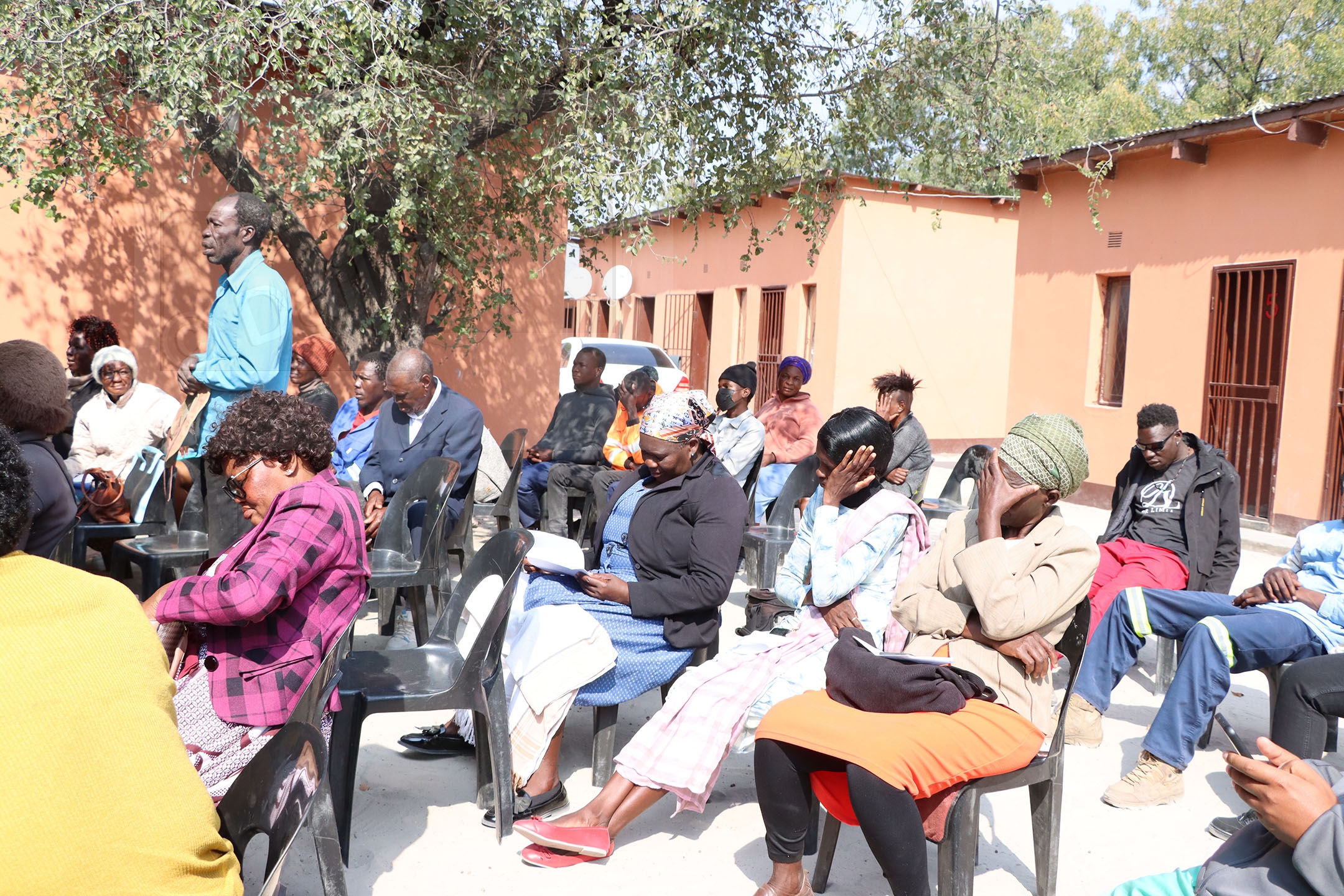
Men lead conversation on GBV root cause
18 Aug 2026
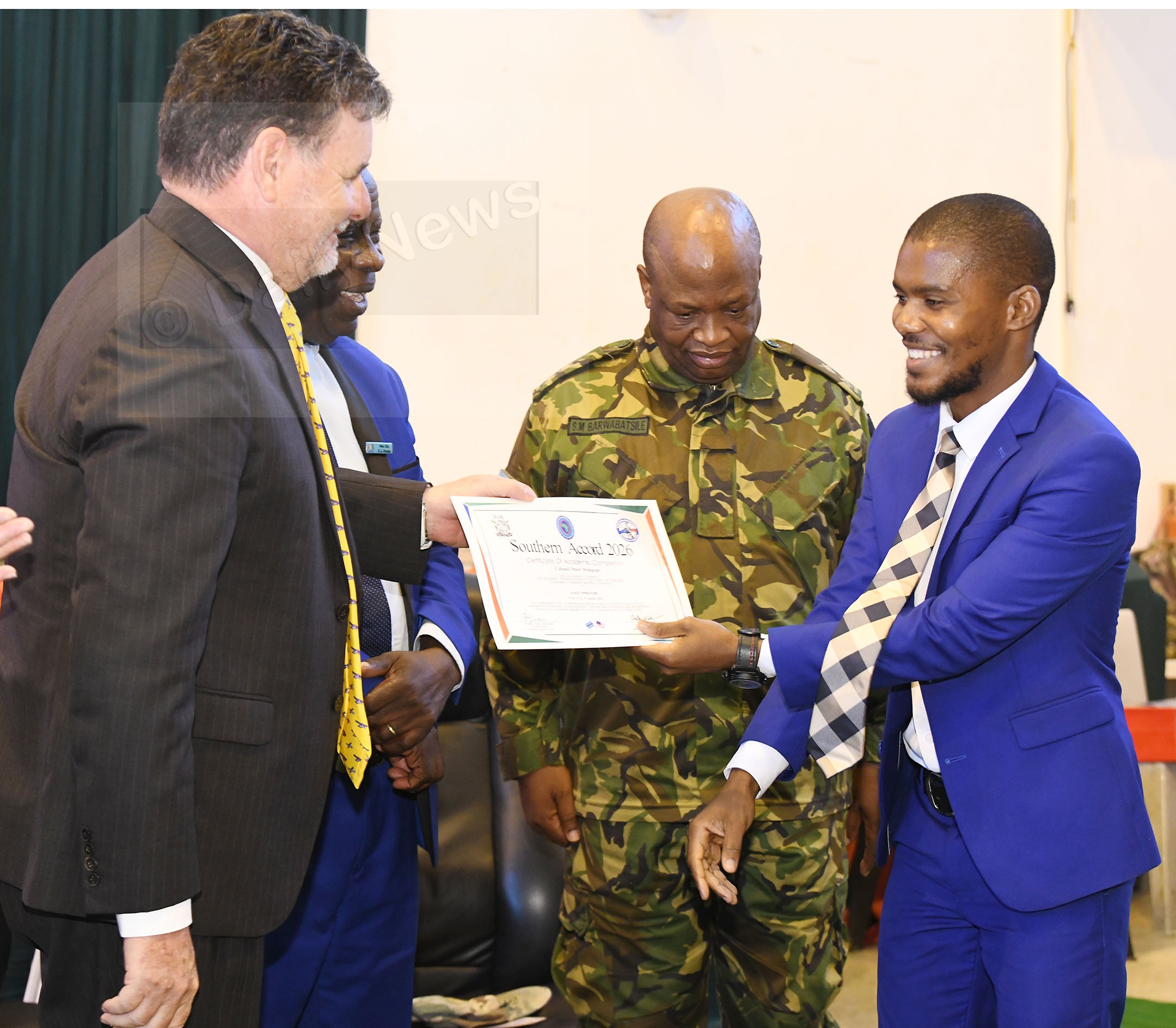
Botswana and US conclude Southern Accord 2026
18 Aug 2026