


NCDs threat to socio-economic development - Butale
17 Oct 2018
Non-Communicable Diseases (NCDs) such as hypertension, stroke, cancer, asthma and diabetes have been described as a threat to the socio-economic development of the country and the world, especially middle and low income countries.
NCDs threaten the development and the future human capital of countries experiencing the epidemic.
They also impact negatively on government as funds that could be used for developmental issues are diverted and channeled to combat or cure NCDs.
In this regard, Health First, a health education and promotion company based in Francistown organised a Global Conference in Selebi Phikwe on Non-Communicable Diseases under the theme: Empowered leadership and community to transform the status of NCDs in Botswana by 2036: A holistic health promotion and education approach.
Giving the keynote address at the official opening of the event, Assistant Minister of Health and Wellness, Mr Biggie Butale said globally more than 36 million people died annually due to NCD’s.
He said the majority of the deaths occured in low and middle-income countries including Botswana.
He said in Botswana, the trends in NCD’s morbidity and mortality were not different to the global picture in that two in three deaths were due to NCD’s.
He said one in five deaths due to NCD’s occured between the ages of 30-70 years.
He said according to the 2014 National Steps Survey that assessed the burden of NCDs risk factors in Botswana, 31 per cent of Batswana were overweight, 18 per cent smoked, and 20 per cent did not engage in enough physical activity.
He said over 70 per cent of cancers were diagnosed at a later stage which significantly lowered the chances of cure and long term survival
“NCDs do not just take lives, but take lives of people who are most economically able in society much similar to what we saw with HIV some years back,” he said, adding the burden of NCDs was not only a health problem but also an economic and development issue that threatened many households into poverty and posed a significant cost to the country’s health system.
He noted that former president Dr Festus Mogae stated that “we must act quickly and tackle NCD’s head on with the same vigour as we did with the HIV pandemic,” during a high level advocacy meeting in Gaborone last month.
He said the Ministry of Health and Wellness was working hand in hand with the private sector and civil society to combat NCDs.
He added that the ministry was currently rolling out a health structure that decentralised decision making to District Health Management Teams.
He said the restructuring effort would promote integrated and decentralised public health approaches for prevention and management of NCDs at the primary health care level and district hospitals.
Mr Butale added that Botswana like other countries concurred that NCDs needed an approach such as the ‘Health In All Policy’ because it was multi-sectoral, innovative and community based.
He explained that the policy approach improved accountability of policy makers for health impacts at all levels of policy making.
He also said the policy included an emphasis on determinants of health and well-being, adding that it contributed to sustainable development.
Mr Butale also said the Ministry of Health and Wellness recently developed a national multi-sectoral strategy for the prevention of NCDs.
He said the strategy gave each sector a platform to address NCDs.
He said the emphasis on the strategy was prevention in four areas which included prevention and health promotion, diagnosis and treatment, monitoring, surveillance and research.
Meanwhile, during the event, World Health Organisation representative, Dr Martin Ovberedjo made a presentation on the impact of NCDs in the world and organisation’s intervention strategies towards the fight against NCDs.
Also during the event, Dr Kiran Bhagat from Cardiology Clinic in Gaborone presented on the ‘burden of NCDs in Africa’ while Dr Kgosidialwa Mompati from Riverside Private Hospital in Francistown made a presentation on the ‘complex matrix of double diseases burden in Botswana, and the emergence of NCDs in a country that was already battling HIV/AIDS.
Furthermore, Dr Bontle Mbongwe, a senior lecturer at the University of Botswana, made a presentation titled ‘Tobacco, a hidden fuel to non-communicable diseases, time for action’ which focused on how smoking or the tobacco industry played a role in perpetuating NCDs and other health issues in society.
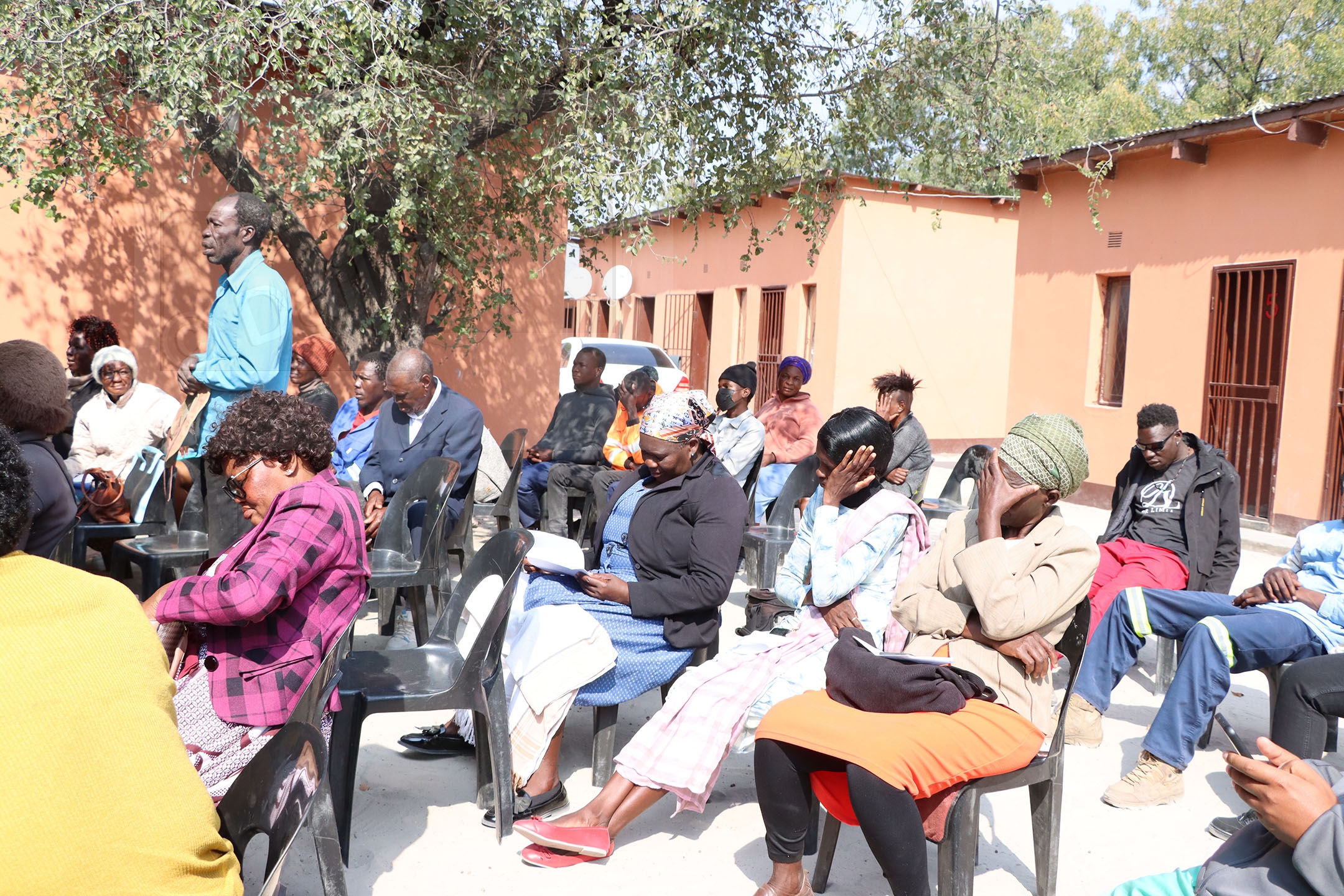
The conference was attended by experts from the government and private health sector, community leaders, leaders in government and members of the public.
The event was held to share information about NCDs, their impact on the society as well as find a way forward in tackling the problem. ENDS
Source : BOPA
Author : Tshepo Mongwa
Location : SELEBI PHIKWE
Event : Interview
Date : 17 Oct 2018
Related News

18 Aug 2026
Men lead conversation on GBV root cause

18 Aug 2026
Botswana and US conclude Southern Accord 2026

18 Aug 2026