Four in ten adults have high blood pressure-official
04 Nov 2026
Approximately four in every 10 adults in Botswana have high blood pressure, yet more than half of those living with the condition are unaware of their status, raising concern about the growing burden of cardiovascular diseases in the country.
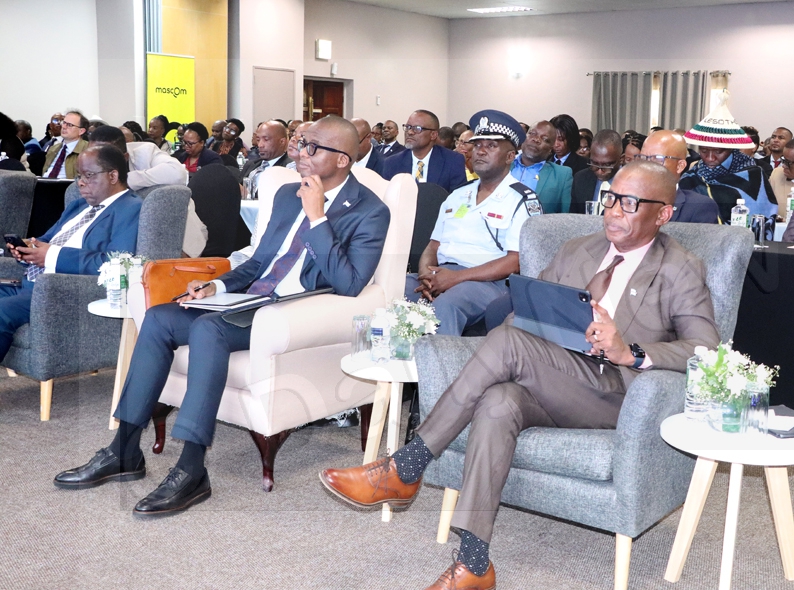
Speaking at the 4th Global Conference on Non-Communicable Diseases (NCDs) in Gaborone on November 3, Ministry of Health Permanent Secretary, Dr Neo Tapela, warned that many Batswana were living with hypertension without knowing it, exposing themselves to potentially life-threatening complications.
Held under the theme, “Heart Health in Focus: Tackling Cardiovascular Diseases in Botswana,” the two-day conference brought together health professionals, researchers and policymakers to discuss strategies for preventing and controlling cardiovascular diseases. Dr Tapela said while Botswana had made significant progress in its response to HIV through sustained commitment and investment, non-communicable diseases had emerged as another major public health threat requiring urgent attention.
She noted that cardiovascular diseases were among the leading causes of illness, disability and premature death, often affecting people during their most productive years and placing financial pressure on families and the healthcare system.
She singled out hypertension, commonly known as the silent killer, because it can develop without symptoms for years before causing heart disease, stroke, kidney damage and premature death.
Dr Tapela also raised concern about the effectiveness of treatment, citing a study which found that only 19 per cent of people living with both HIV and hypertension had their blood pressure under control.
She said the findings highlighted gaps in early detection, diagnosis, treatment and patient follow-up.
“Screening is essential, but it is only the beginning. Diagnosis must lead to treatment that is effective and timely, regular follow-up with engaged, empowered patients and ultimately better blood pressure control and fewer avoidable deaths,” she said.
She emphasised that prevention required a multisectoral approach, including access to affordable healthy food, opportunities for physical activity in schools and workplaces, and reduced exposure to tobacco, alcohol and other harmful substances.
Dr Tapela called on government, academia, the private sector and communities to work together, stressing that protecting heart health was a shared national responsibility.
She said strengthening primary healthcare was essential to bringing screening and treatment services closer to communities, adding that this would require trained health workers, functioning equipment, effective clinical protocols and reliable supplies of medicines.
She acknowledged challenges, including medicine shortages, equipment interruptions, heavy workloads among healthcare workers and patients being diagnosed only after complications had developed. Dr Tapela further urged researchers to generate locally relevant evidence, including research into the nutritional value of traditional foods, to inform effective and affordable interventions.
She said the Ministry of Health was working with other stakeholders to accelerate prevention and control efforts, while calling for increased investment in diagnostics, digital health, rehabilitation and workplace wellness.
She added that Botswana’s target of achieving a Universal Health Coverage Index of 75 by 2030 would require equitable access to quality healthcare, including services for non-communicable diseases.
Dr Tapela urged healthcare professionals to bring the same determination demonstrated in the country’s HIV response to tackling cardiovascular diseases, saying the knowledge and solutions needed to make progress were already available. ENDS
Source : BOPA
Author : Lesedi Thatayamodimo
Location : Gaborone
Event : Non-Communicable Diseases conference
Date : 04 Nov 2026
Related News

04 Nov 2026