Botswana restructures
26 Nov 2026
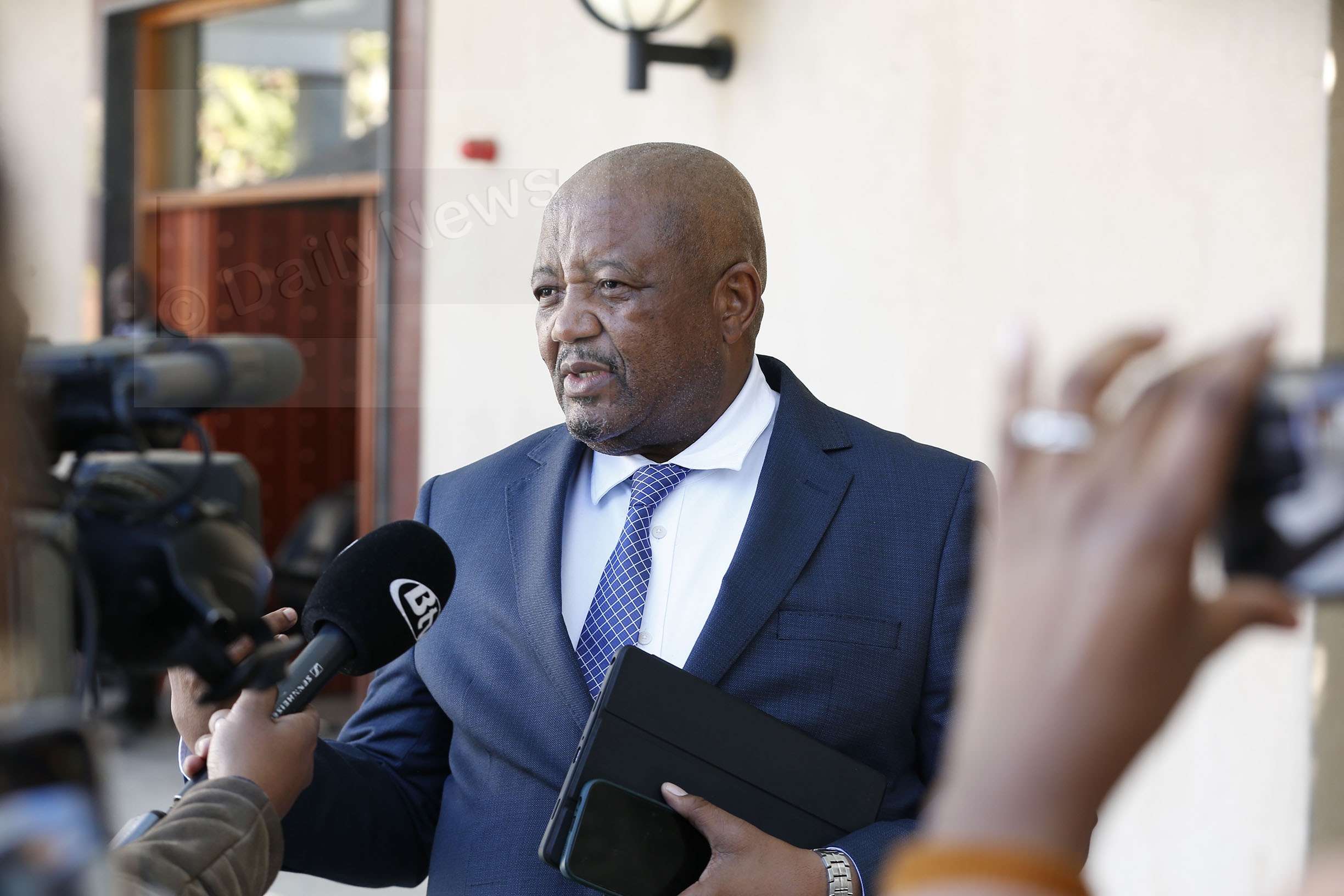
Specially Elected MP, Ms Bogolo Kenewendo has called for a diversified economy capable of withstanding external shocks.
Contibuting to the State-of the-Nation Address, Ms Kenewendo said government was committed to addressing challenges facing Batswana, including ensuring access to affordable electricity and increasing domestic power generation.
Ms Kenewendo said government was also working to cushion citizens against rising fuel prices triggered by geopolitical tensions, which had contributed to inflation and eroded household purchasing power.
She said the suspension of fuel, road and security-of-supply levies for six months was part of a P700 million relief measure aimed at easing the rising cost of living and reducing pressure on household budgets.
She further said Botswana restructured its petroleum supply arrangements in October, sourcing fuel from Oman at more competitive prices. With South African refineries closing, she said the country was diversifying its fuel supply sources to safeguard energy security.
She added that Botswana had lower fuel prices compared with neighbouring coastal countries, South Africa and Namibia, adding that government was exploring opportunities to participate in oil production, citing the Lobito Refinery in Angola as an example.
On electricity, she said Botswana had reduced power imports by 62 per cent and was working towards increasing domestic generation, with the aim of achieving self-sufficiency by next year.
Regarding diamonds, she said the market had shown signs of improvement but had not fully recovered, adding that Okavango Diamond Company had recorded a profit.
She said government was also exploring investment opportunities in other minerals, including copper.
Still in Parliament, Thamaga/Kumakwane MP, Mr Motaosane, has said the completion and handover of 28 police stations across the country was a significant milestone in bringing policing services closer to communities.
He said the police stations would strengthen crime prevention across constituencies and improve access to policing services.
Mr Motaosane said Kumakwane was among the villages earmarked for a police station, noting that its growing peri-urban status and increasing population had contributed to rising crime as residents commuted between the village and Gaborone.
He also cited high incidents of stock theft in the surrounding areas as justification for establishing a police station in the village.
On the Development Manager Model, he said although the initiative was not entirely flawed, some individuals had inflated project costs to exploit government.
Turning to agriculture, Mr Motaosane questioned the information being provided to government on crop yields, saying it was practically impossible to harvest 100 bags from a hectare, with about 60 bags being a more realistic maximum.
He argued that one hectare was insufficient to sustain a household and appealed to government to increase the land allocation to two hectares to enable more farmers to benefit from agricultural support programmes.
He said some people were excluded from government assistance because they did not qualify as either youth or old-age pensioners, leaving agriculture as their main opportunity for support.
He further noted that restrictions on the sale of cattle and goats due to foot-and-mouth disease (FMD) had severely affected farmers, with the situation reportedly contributing to mental health challenges among some of them. On education, he said many schools were dilapidated, urging school management to improve its oversight and ensure learners also played a role in maintaining school infrastructure.
Meanwhile, Kanye West MP, Mr Victor Phologolo, said his constituency continued to experience severe water shortages.
On human rights and social justice, he welcomed President Advocate Duma Boko’s reference to an inter-ministerial committee focusing on indigenous people, but called for Parliament to establish a dedicated committee to deal specifically with human rights issues.
Addressing FMD, Mr Phologolo warned that misinformation surrounding efforts to combat the disease could undermine the fight against it. He said the P97 million reportedly spent on the disease should be subjected to an audit by the Auditor General to ensure accountability and proper utilisation of public funds. He also called for the accelerated digitalisation of pension payments through the opening of bank accounts for beneficiaries, instead of relying on cash payments.
On social issues, Mr Phologolo raised concern over teenage pregnancies in his constituency, saying some cases involved primary school pupils.
He also expressed concern over the country’s high maternal mortality rate. He said Botswana had recorded more than 4 000 new HIV infections, mainly among young people aged between 15 and 24.
He noted that although Parliament had previously increased the age of consent, young people were still unable to access certain health services, including family planning and HIV testing, without parental consent.
He said government should not overlook the challenges facing young people, warning that teenage pregnancies could perpetuate poverty. Mr Phologolo further called for increased screening for non-communicable diseases (NCDs) at workplaces, through village development committees and churches, among other platforms, to promote early detection and intervention.
He also proposed the introduction of a sugar tax to discourage excessive consumption and generate revenue to support the fight against NCDs such as hypertension and diabetes.
In addition, he called for an increase in tobacco prices, saying proceeds could be channelled towards combating tobacco-related diseases. ENDS
Source : BOPA
Author : Bonang Masolotate
Location : Gaborone
Event : State of the nation address
Date : 26 Nov 2026
Related News
26 Nov 2026
26 Nov 2026
Ghanzi records zero HIV infections in newborns