Ghanzi records zero HIV infections in newborns
26 Nov 2026
Botswana was once one of the countries hardest hit by HIV in the world. In the late 1990s and early 2000s, HIV prevalence reached over 35 per cent among adults, and thousands were dying every year.The country responded with one of the strongest political commitments on the continent:
The country introduced Prevention of Mother-to-Child Transmission (PMTCT), the first in Africa and in 2025, it became the first high-burden country to attain WHO Gold Tier status on the Path to Elimination of mother-to-child transmission of HIV, after bringing the transmission rate down to under 5 per cent, and later to under 2 per cent nationally.
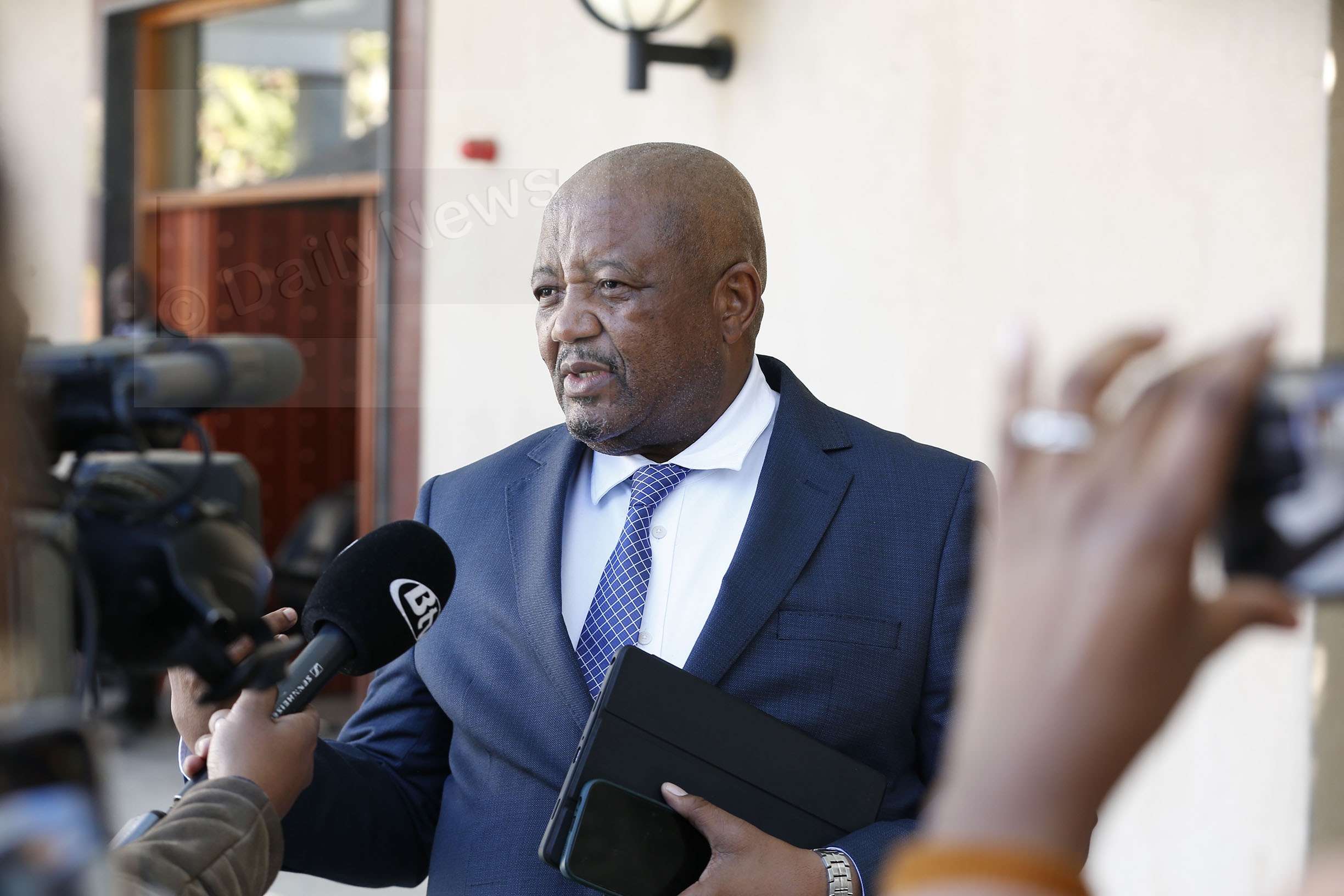
BOPA reporter Malebogo Lekula talks to Ghanzi District AIDS Coordinator, Ms Keodiretse Seretse who revealed that the district continued to reach the global elimination target of zero babies born with HIV, following the rollout of the highly effective Prevention of Mother-to-Child Transmission (PMTCT) intervention.
Ms Seretse said the number of HIV-positive women who delivered in Quarter Four was 22, Quarter One stood at 25, and 26 babies in Quarter Two. She reported that the number of babies born to HIV-positive mothers in Quarter Four stood at 23, Quarter One stood at 25, while in Quarter Two they are at 26. From the given statistics, no babies tested positive, which she said was a commendable effort.
Furthermore, she said the number of women who delivered while on Antiretroviral (ARV) treatment stood at 15 during Quarter Four, 22 in Quarter One, and 26 during Quarter Two. She also highlighted that 21 women tested for the first time at labour during Quarter Two, compared to 10 in the last quarter.
She added that currently the total number of patients on ARV treatment was 3 464, out of which 1 271 are males while females are 2,193.
Moreover, she said through intensified interventions, they continued to record zero positive cases in babies, adding that there was also an improved number of babies testing. She said during Quarter Four, the number of babies who tested for HIV stood at 18, Quarter One stood at 28, while 49 babies were recorded in Quarter Two, noting that none of them tested positive. However, she decried that the partner testing rate has reduced to 3.5 per cent as compared to 6.8 per cent in the last quarter, while testing at Antenatal Care (ANC) has decreased to 95 per cent as compared to 98.3 per cent last quarter.
Meanwhile, she said challenges that might hinder efforts to meet global HIV targets emanate from high numbers of non-bookers (those who had not registered for pregnancy before), shortage of midwives, high number of untrained staff, as well as low partner testing.
She said as part of interventions to raise awareness on testing, they would embark on conducting partner surveys and intensify the use of partner testing cards, as well as conduct Dried Blood Spot (DBS) testing kits training and intensify health education in their communities.
About 360 000 people are living with HIV in Botswana, but new infections and AIDS-related deaths have fallen sharply since the peak of the epidemic. The remaining challenge, as shown in Ghanzi, is reaching men, young people, and partners of pregnant women, and sustaining testing, treatment and prevention.
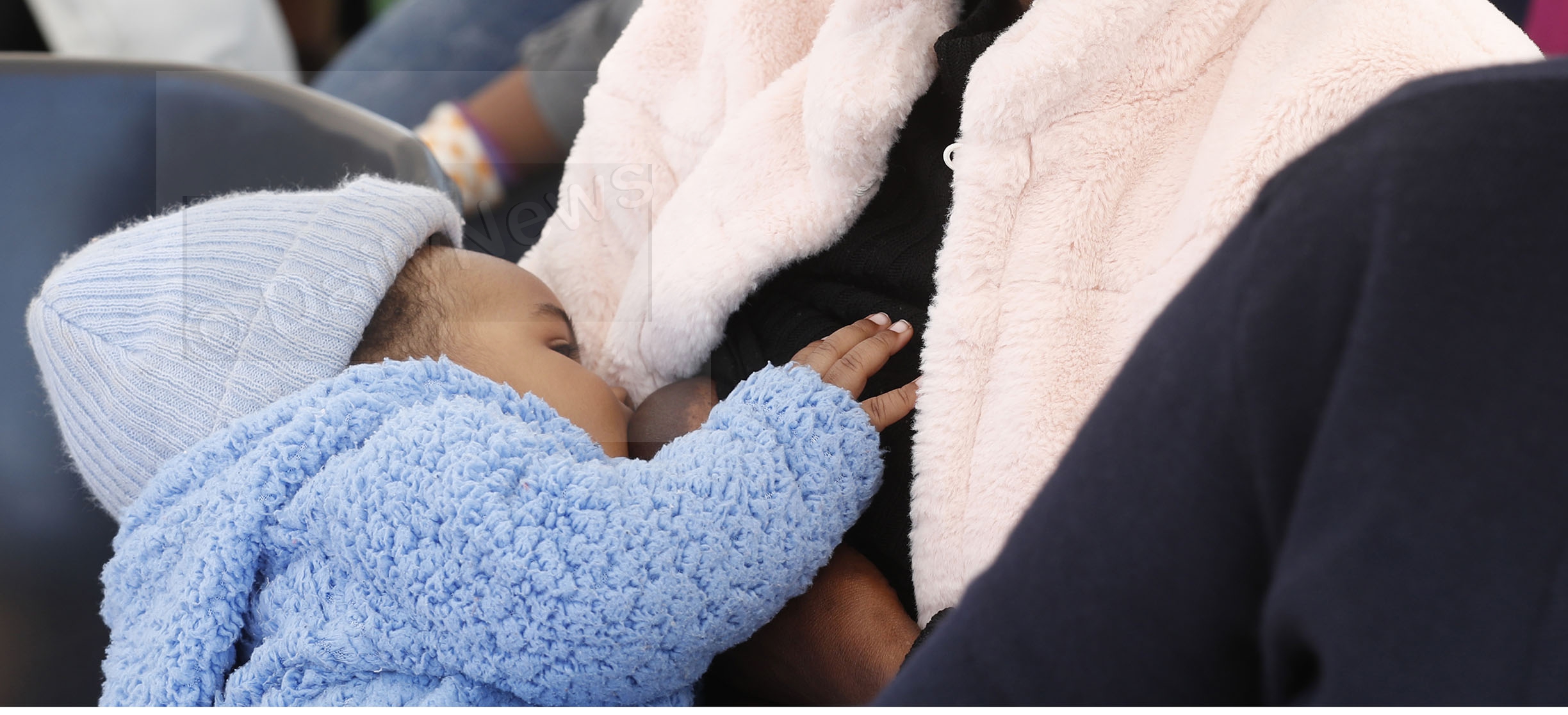
According to the World Health Organisation’s Global Health Sector Strategies on HIV, viral hepatitis and sexually transmitted infections for 2022-2030, an estimated 1.3 million women and girls living with HIV become pregnant each year.
In the absence of intervention, the rate of transmission of HIV from a mother living with HIV to her child during pregnancy, labour, delivery or breastfeeding ranges from 15 per cent to 45 per cent. ENDS
Source : BOPA
Author : Malebogo Lekula
Location : Ghanzi
Event : Interview
Date : 26 Nov 2026
Related News

26 Nov 2026

26 Nov 2026
Botswana restructures