


Navigating Botswana economic evolution

24 Sep 2026
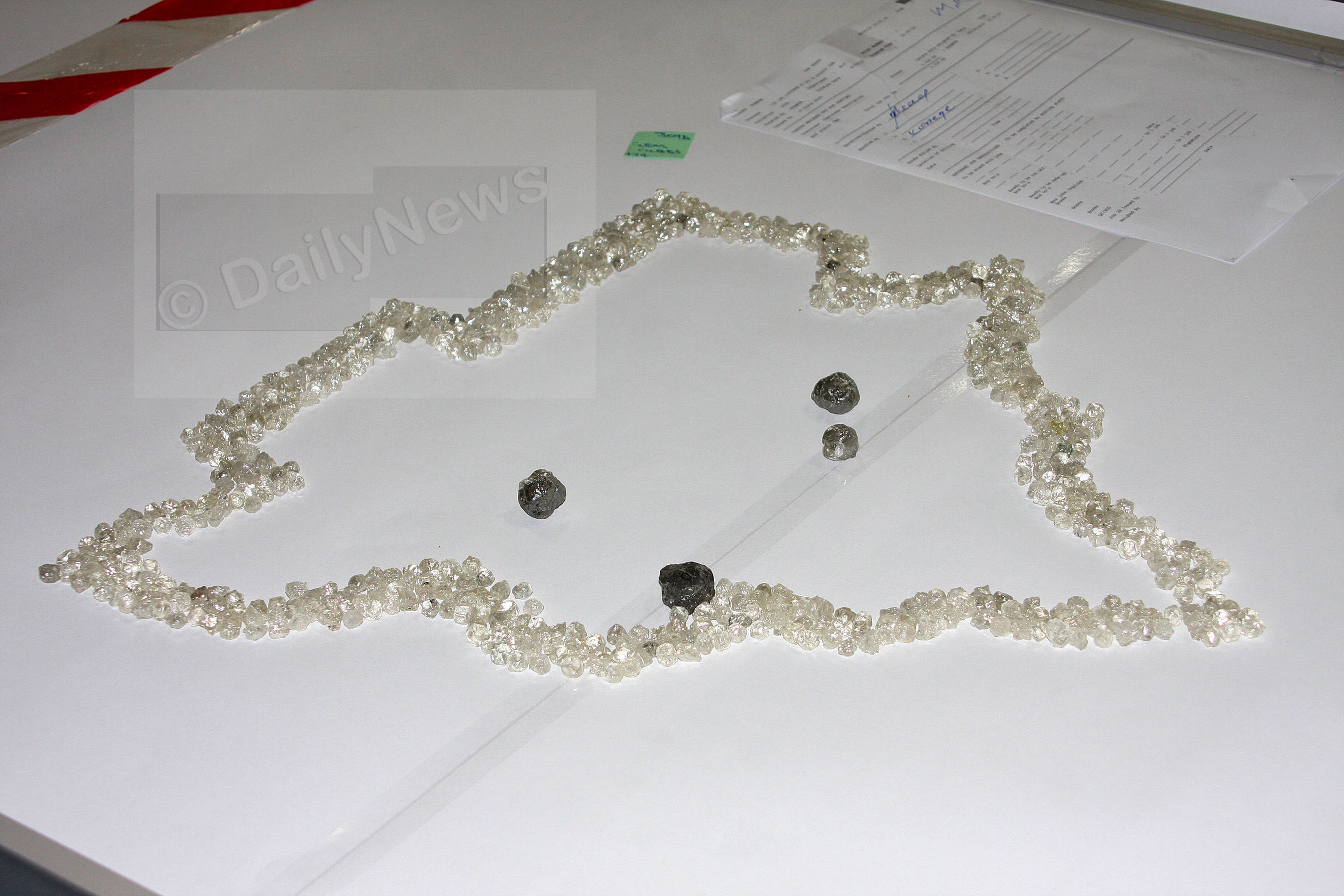
For nearly six decades, the story of Botswana has been inextricably linked with the brilliance of its natural diamonds.
The revenues generated beneath the earth have built the roads, schools, and hospitals that define modern Botswana.
Yet, as the nation approaches its historic 60th anniversary of Independence this year, the global diamond market is shifting beneath its feet.
With global revenues experiencing significant declines since 2024, the nation finds itself at a critical crossroads. The question is no longer just how to mine more diamonds, but how to leverage this legacy to build a sustainable, diversified future. Debswana, the joint venture between the Botswana government and De Beers has stood as the bedrock of national progress.
The journey began with the discovery of the Orapa mine in 1967 and the official establishment of the company in 1969, later expanding to include major operations at Jwaneng, Letlhakane, and Damtshaa.
Speaking recently at the launch of Debswana’s new transformational strategy, Mr Mogakolodi Maoketsa, the general manager of Orapa-Letlhakane-Damtshaa Mines, reflected on this proud heritage. “These operations have delivered far more than diamonds.
They have created livelihoods, developed skills, built infrastructure, inspired confidence, and demonstrated the transformation of a natural resource into national progress through vision, discipline, and partnership,” Mr Maoketsa noted.
However, Mr Maoketsa was candid about the modern realities facing the industry. The cost of mining continues to rise, market dynamics are volatile, and the rapid rise of lab-grown diamonds has given consumers unprecedented choices.
“These realities demand that we evolve, adapt, and lead,” Mr Maoketsa urged. The newly unveiled transformational strategy is designed as a roadmap to ensure Debswana remains agile, sustainable, and relevant in a rapidly changing world. Echoing these sentiments, Debswana’s chief operations officer, Mr Koolatotse Koolatotse, emphasised that change was no longer optional. “Debswana has never been just a mining company; it is a key partner in Botswana’s development,” said Mr Koolatotse.
He explained that the new strategy focused on stabilising the business to survive tough market conditions, while calling for a robust, aggressive marketing strategy to reinforce the allure of natural diamonds.
The rise of lab-grown diamonds represents a distinct structural challenge, but local industry experts argue against panic. Stencil Technologies general manager, Mr Onkabetse Gwamulumba, points out that the industry successfully weathered similar existential crises in the late 1980s and early 1990s.
“Diamond cycles are normal. A lab-grown diamond can replicate chemistry, but it can never replicate rarity, four billion years of natural formation, and heritage.
Botswana and De Beers must be more aggressive in selling the story of natural diamonds as a luxury of origin, not just a stone,” Mr Gwamulumba observed. Domestically, he argued that the threat to competitiveness was driven less by a shortage of diamonds and more by the skyrocketing cost of inputs, insisting that the government must step in with structural reforms. “We cannot control the global diamond price, but we have full control over what it costs to mine a carat in Botswana,” stated Mr Gwamulumba, adding that by lowering the domestic costs of power, water, logistics, and regulatory compliance, Botswana could keep its mines viable during market downturns and highly profitable during booms.
While diamonds remain the largest revenue source, the urgent need for economic diversification has sparked intense debate. According to Mr Gwamulumba, Botswana’s historical constraint was never a lack of resources, but rather inefficiencies, bureaucratic leakages, and poor project implementation.
If he could rewrite the diversification playbook, Mr Gwamulumba believed the nation should have bet heavily on digital services and digital government. The logic is simple: digital services create an indelible footprint. “Every transaction leaves a trail that cannot be destroyed, every approval is timestamped, and every archive is retrievable at near-zero cost.”, he said. Rather than treating digitalisation as a standalone IT project, he argues it should be viewed as the foundational infrastructure for the entire economy. A fully digitalised government makes it harder to steal, easier to audit, and faster to deliver public projects.
By fixing these systemic inefficiencies, traditional sectors like agriculture, tourism, manufacturing, and the creative industries would finally find the fertile ground they need to flourish. As part of the recent diamond sales agreement negotiations between the government and De Beers, the Diamonds for Development Fund was established.
This visionary fund specifically targets the development of the agriculture, tourism, and technology sectors, aiming to create jobs and stimulate economic growth outside the diamond value chain.
During a recent courtesy call at the Office of the President, the Diamonds for Development Fund board chairperson, Dr Akinmuni Adesia met with President Advocate Duma Boko.
President Boko lauded the initiative, calling it a bold and visionary step to ensure that Batswana continue to benefit directly from their diamond wealth, even as the nation pivots toward a more diversified and industrialised future.
As Botswana prepares to celebrate 60 years of Independence, its enduring diamond legacy remains a source of national pride. But the true measure of the nation’s future success will lie in its ability to transform that mineral wealth into sustainable, digital, and diversified human progress. ENDS
Source : BOPA
Author : Kabo Keaketswe
Location : Letlhakane
Event : Interview
Date : 24 Sep 2026
Related News

15 Oct 2026
Grow 365 equipsyouthwith skills in hydroponics


13 Oct 2026