

Refurbished Tankers To Ease Fuel Transportation
15 Jul 2026
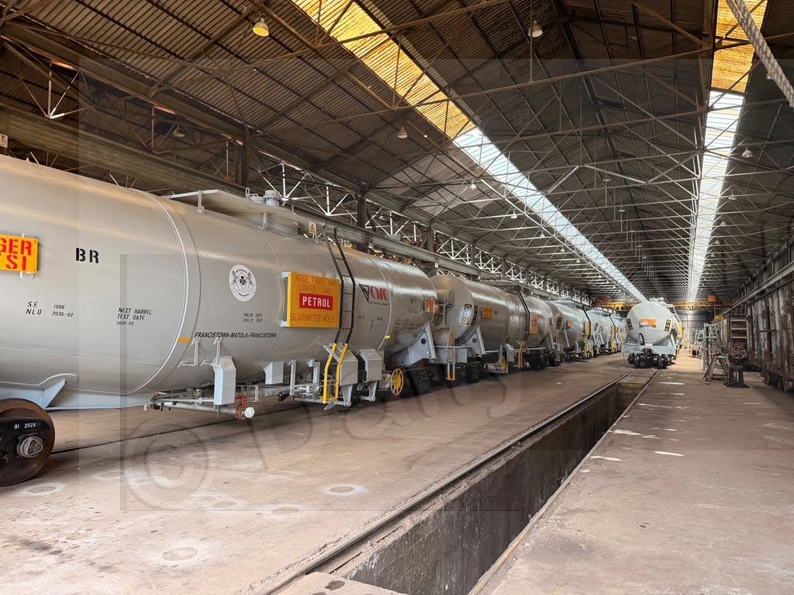
The return to service of 34 refurbished fuel tankers by Botswana Railways is expected to significantly boost the country’s fuel transportation capacity and strengthen energy security.
The tankers, which had been out of service since 2018, were overhauled through a partnership between Botswana Railways and African Rail Company.
Botswana Oil Senior Manager for Hydrocarbon Sourcing, Mr Callaghan Motlaleng, said in an interview that the refurbished tankers would enhance the country’s ability to transport petroleum products efficiently through the rail network, providing an alternative mode of transportation.
Mr Motlaleng said an operational internal rail tanker fleet would give Botswana greater control over fuel logistics and replenishment cycles. Rather than relying solely on external transport providers, the country would be able to schedule movements and replenish fuel stocks more efficiently.
He said the overhaul and rehabilitation project was not expected to have a direct impact on the regulated pump price of petroleum products. Instead, it was intended to improve the efficiency of the fuel supply chain by restoring rail transport capacity for bulk fuel movement.
Botswana Railways Director of Projects, Mr Thabo Gabanamotse, said maintaining and rehabilitating fuel tankers increased the number of wagons available for service, thereby expanding the volume of petroleum products that could be transported by rail.
He noted that rail transport enabled storage facilities to replenish fuel stocks more quickly than road transport and added that investments in rail efficiency supported faster movement of consignments, allowing national demand to be met more swiftly and cost-effectively.
Mr Gabanamotse said rail transport also avoided delays commonly experienced by trucks at border posts, making it a more reliable option for fuel imports.
He further stated that improving rail capacity through refurbished wagons would enhance fuel availability and help reduce transportation costs.
Despite the various factors that influence fuel pricing, Mr Gabanamotse said Botswana Railways remained optimistic that its role in fuel transportation would contribute to lower logistics costs, which could ultimately influence pricing dynamics determined by regulators.
He noted that the performance of Botswana Railways had declined significantly since 2018 following the withdrawal of fuel tankers from service. This resulted in the share of fuel imports transported by rail dropping from 70 per cent to below 20 per cent.
Although some rail volumes were maintained through the use of wagons from other railway administrations, he said the arrangement was not sustainable as those resources were often reassigned to other operations.
Mr Gabanamotse said each refurbished tanker had a carrying capacity of 55 000 litres, enabling a full train load to transport approximately 1.87 million litres of fuel.
He added that the shift from road to rail would ease congestion on roads, as a single train load could replace approximately 50 fuel trucks.
Botswana Energy Regulatory Authority’s Communications and Public Relations Manager, Mr Goaba Mojakgomo, reiterated that the capitalisation of the overhaul project would not directly affect the regulated pump prices of petroleum products in Botswana. ENDS
Source : BOPA
Author : Thandy Tebogo
Location : KANYE
Event : Interview
Date : 15 Jul 2026
Related News

27 Aug 2026
Foul odour chokes Kanye market

26 Aug 2026
Africa investors key to continental growth



26 Aug 2026