


Data Vital For Tourism Planning
13 Jul 2026
Tourism experts have called for Botswana to produce more timely and comprehensive tourism statistics, to enable informed decision-making, investment planning and building a resilient tourism sector capable of responding to future shocks.
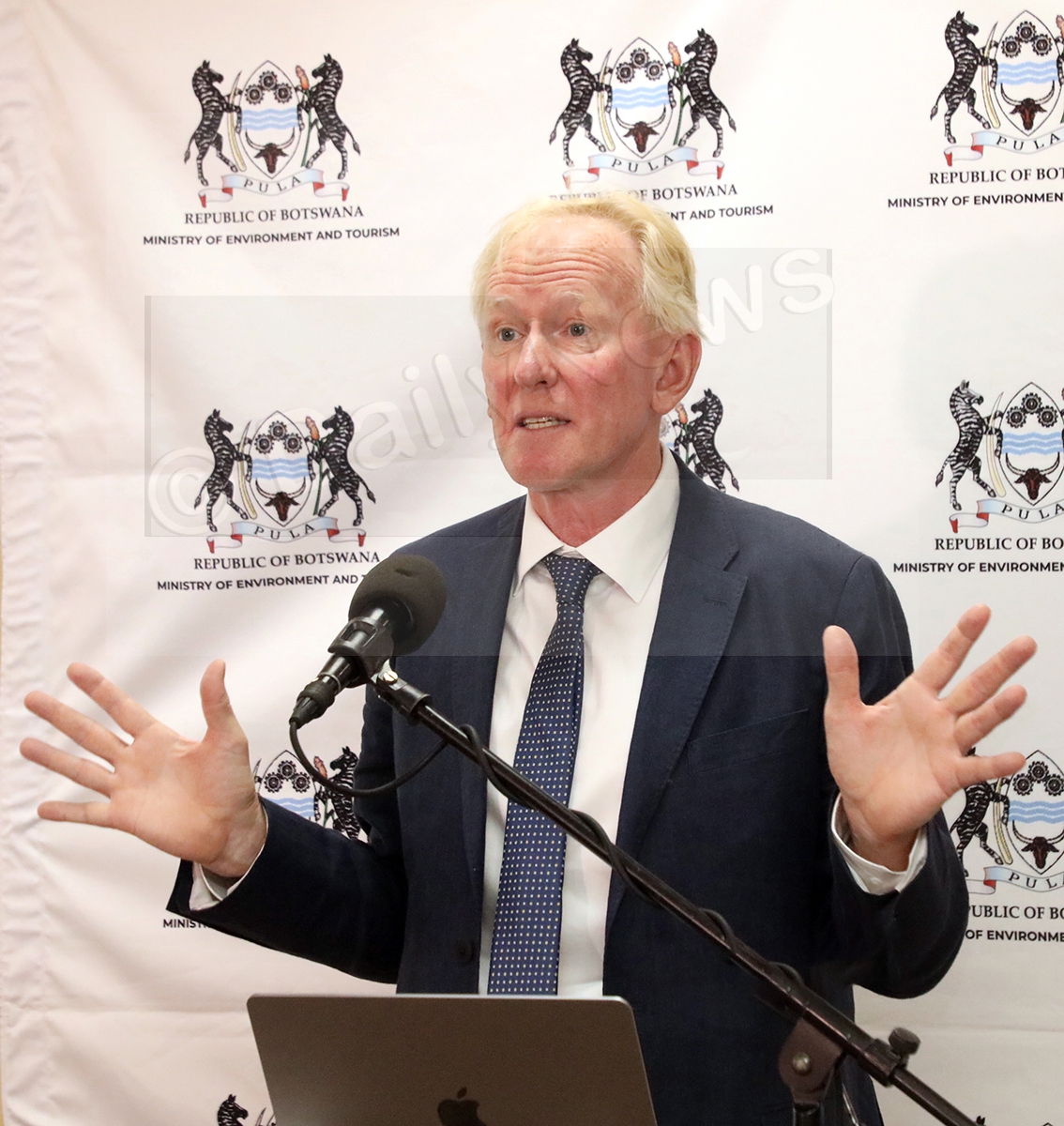
The call was made during a Tourism Satellite Account (TSA) launch held in Maun on Friday, where stakeholders from government, academia and the private sector reflected on the country’s first Tourism Satellite Account covering the period 2019 to 2024.
Okavango Research Institute of University of Botswana, Professor Joseph Mbaiwa, said Botswana had taken an important step in developing a reliable evidence base for tourism planning, though the information already lagged behind the fast-changing nature of the industry.
He observed that while Botswana’s TSA covered five years, many countries generated tourism statistics quarterly or every two months, enabling governments and industry players to respond quickly to emerging trends and market changes.
Professor Mbaiwa said the findings also presented an opportunity for Botswana to strengthen preparedness for future crises, noting that the COVID-19 pandemic had exposed the vulnerability of the tourism sector more severely than many other sectors of the economy.
“The lessons drawn from the TSA could help policymakers design mitigation measures that would enable the industry to recover more quickly and remain resilient should similar disruptions occur in future” he said.
Tourism Satellite Account project leader, Mr Kevin Millington, stated that the TSA provided an internationally recognised framework for measuring tourism’s direct contribution to the economy, including its impact on gross domestic product, employment, investment and visitor spending.
The accompanying visitor survey, conducted through interviews with more than 5 000 travellers at airports and major border posts, revealed that Botswana continued to attract two distinct tourism markets comprising first-time international visitors and repeat regional travellers.
Approximately 85 per cent of visitors from long-haul markets such as the USA were visiting Botswana for the first time, while regional markets largely consisted of repeat visitors, hence the need for tailored marketing strategies targeting different visitor segments.
“The findings demonstrate the importance of strengthening digital marketing, diversifying tourism products and developing experiences that encourage visitors to stay longer and spend more within local economies,” said Mr Millington.
Tourism Satellite Account expert, Mr Kepa Calafel, said the TSA served as a key indicator of tourism’s contribution to the national economy and provides government with reliable information for policy formulation and investment planning. He said the framework helped identify gaps within the sector, measured tourism demand and supply and enabled authorities to better understand tourism’s overall contribution to the country’s Gross Domestic Product.
For her part, North West District office administrator, Ms Keamogetse Segokgo, said the launch marked an important step toward compiling regional Tourism Satellite Accounts that would provide district-level information on tourism’s contribution to local economies.
She said regional data would help communities better understand how tourism revenue circulates through businesses, supports employment and creates opportunities for local enterprises, while enabling authorities to make evidence-based decisions that promote inclusive growth. Ms Segokgo further said the initiative was particularly significant for Maun as the gateway to the Okavango Delta, adding that reliable tourism statistics would play a critical role in guiding future investment decisions and ensuring communities derived meaningful benefits from the industry. ENDS
Source : BOPA
Author : Gaolethoo Kgatitswe
Location : Maun
Event : TSA LAUNCH
Date : 13 Jul 2026
Related News



07 Oct 2026