


Ngubevana Captures Moments Beyond Single Fame
25 Jun 2026
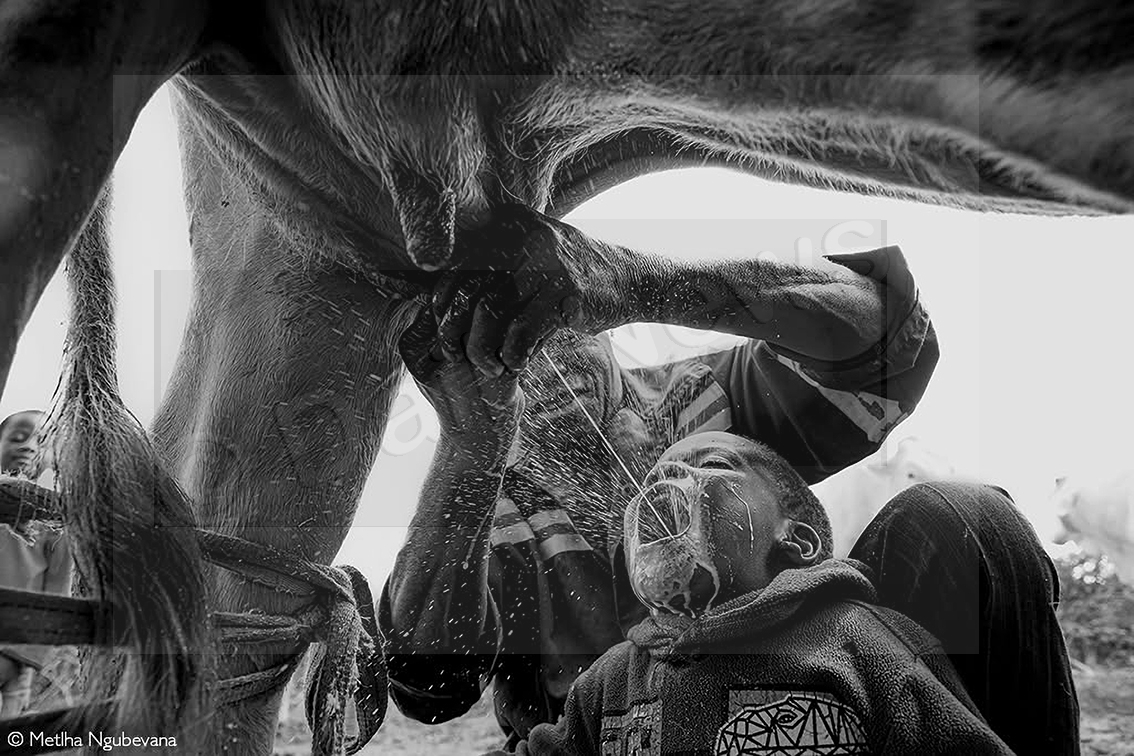
Around five kilometers from Gaborone, in the pale light of an early morning that still smelled of cattle and dust, a small moment unfolded in Gamononyane that would later travel far beyond the kraal where it happened. A father lifted his son onto his lap. A cow shifted its weight. Milk streamed, warm and immediate, into a child’s mouth, an act so ordinary in appearance, and yet so loaded with memory, meaning and inheritance that it would become an award-winning photograph.
The image, titled: Milk of Inheritance, has now earned Botswana photojournalist, Metlha Ngubevana, the runner-up position in the Africa Geographic Photographer of the Year 2026 competition, placing his work among some of the continent’s most compelling visual narratives of nature and people.
But Ngubevana is quick to resist the idea of destiny written from childhood. His path into photography, he says, arrived late and unexpectedly.
“My photography journey began in 2010 when I attended a professional photography workshop and exhibition organised by the City of Francistown and Genk, Belgium,” he said. “Unlike many photographers who often speak about growing up playing with their parents’ cameras, photography found me later in life. I believe it is a calling that chose me.”
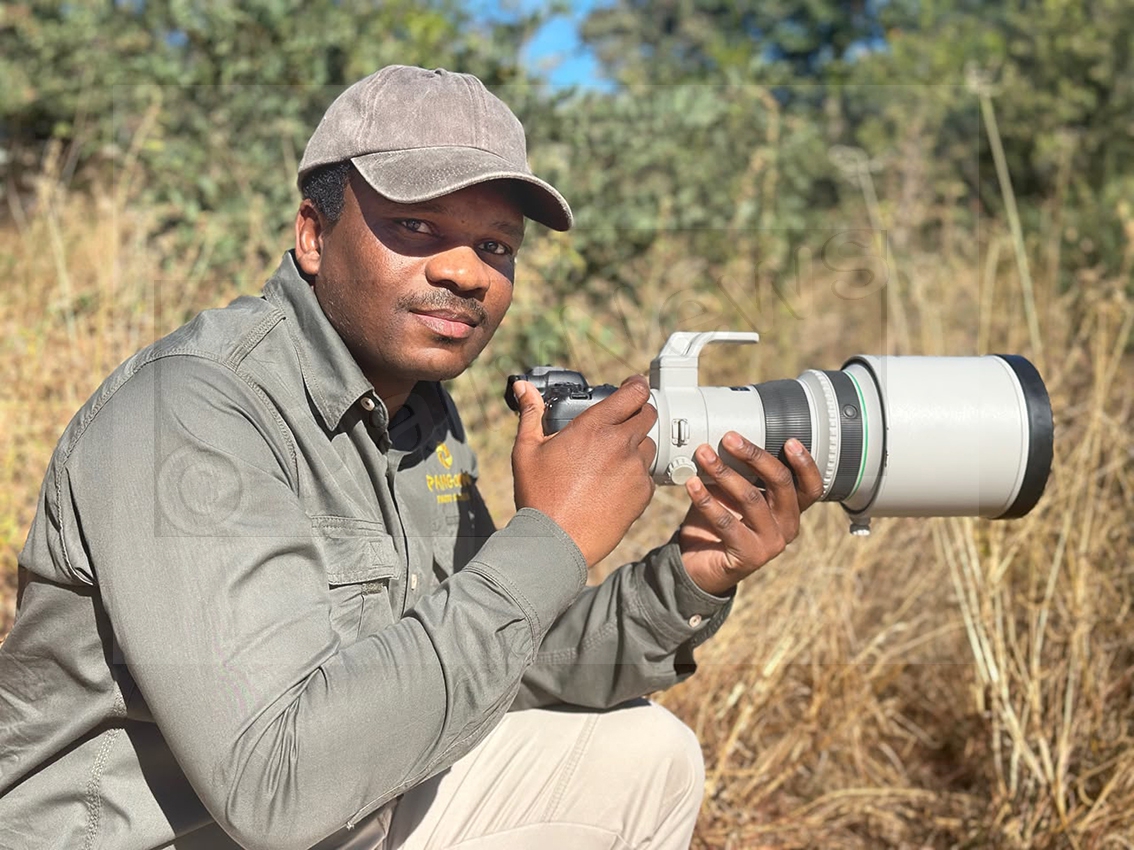
It was a calling that pulled him first into the fast-moving world of news. He worked with Press Photo, later as a freelance photojournalist for Daily News, and eventually joined Xinhua News Agency, where he continues to document assignments that move between environment and human experience.
But it is the land Botswana’s fragile ecosystems and the communities tied to them that repeatedly pulls his lens back.
“I have been privileged to document stories that matter,” he said. “My work has focused on wildlife conservation, climate change, human-wildlife conflict, and the people whose lives are closely connected to the natural environment.”
In 2024, his work was recognised with second place in the US Embassy Botswana Photojournalism Competition held in commemoration of World Press Freedom Day an acknowledgment that, for him, sharpened the purpose behind the work.
Still, Ngubevana speaks less about awards and more about access about being allowed into moments that are not staged for the camera.
That trust was present on the morning Milk of Inheritance was made. He had joined a family at their cattle post while documenting how climate change was reshaping rural livelihoods. Conversations flowed first, then silence. The camera became less intrusive. And then, the unexpected gesture.
“The father called his son and, instead of handing him the responsibility of milking, sat the boy on his lap and directed fresh milk straight from the cow into his mouth,” he said.
For a photographer, it is the kind of moment that does not repeat itself. The frame exists for seconds, not minutes.
“Realising the significance of the moment, I quickly moved to the opposite side of the cow to create a stronger composition and captured an image I never expected to make that morning,” he said.
Later, he learned the meaning behind what he had witnessed a tradition in which the act symbolises blessing, prosperity, and continuity in cattle culture. The photograph was later rendered in black and white, stripping the scene down to texture, gesture and contrast less about colour, more about permanence.
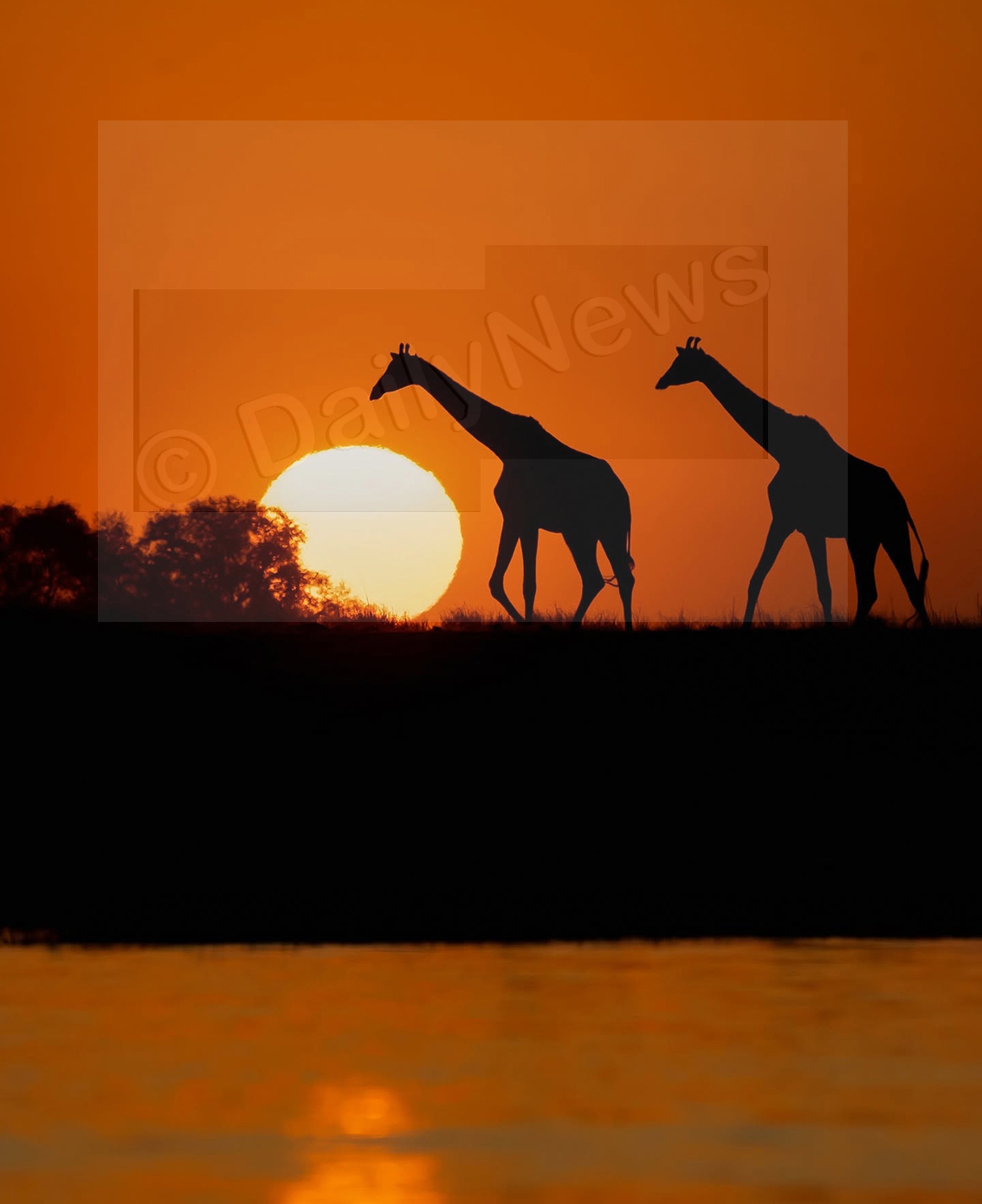
Beyond this single frame, Ngubevana’s career has been shaped by environments where nature and people are inseparable. His work has taken him through Botswana’s cultural and ecological calendar from the Khawa Dune Challenge to the Dithubaruba Cultural Festival as well as deep into wildlife spaces where human presence is both caretaker and witness.
His pursuit of conservation storytelling has also extended into formal training, including the Intermediate Course at the Botswana Wildlife Film School under Botswana Ignite, and an Assistant Professional Guide Licence from the Botswana Wildlife Training Institute.
In 2025, he joined Pangolin Photo Safaris in Kasane, positioning himself within one of Africa’s most photographed wildlife corridors in Chobe where elephants move through riverine forests and tourism and conservation constantly intersect.
Now, the Africa Geographic recognition adds another layer to that. As part of the award, he will travel to Rwanda’s Nyungwe National Park, staying at Munazi Lodge within one of Africa’s oldest montane rainforests. There, the subject shifts from savanna to canopy: chimpanzees moving through branches, colobus monkeys threading through green light, waterfalls carving through dense forest. For Ngubevana, it is not a departure from Botswana, but an expansion of the same visual language.
“It is an opportunity to expand my storytelling beyond Botswana’s savannas and wetlands into one of Africa’s most remarkable rainforests,” he said. “The images and stories I bring back will strengthen my work in conservation advocacy and inspire greater appreciation for the continent’s natural heritage.”
From a cattle post in Gamononyane to the forests of Nyungwe, his work continues to circle the same question what do we inherit, and what do we choose to pass on?
Sometimes, the answer arrives in words. Sometimes, in milk. ends
Source : BOPA
Author : Tshoganetso Mokowe
Location : Gaborone
Event : Feature
Date : 25 Jun 2026
Related News
15 Oct 2026
14 Oct 2026
Masega talks empowerment
13 Oct 2026
Maun Photo Walk returns for second

13 Oct 2026
Gastronomic festival to promote cultural Ties

13 Oct 2026