


Twenty minutes that shook Gaborone
15 Jun 2026
It took less than 20 minutes for a dark piece of apartheid history to be written on the streets of Gaborone.
On June 14, 1985, Operation Plecksy caught local forces completely off guard, a failure of intelligence that Major General Pius Mokgware still reflects on decades later.
But while the brutal cross-border raid sparked panic among residents fleeing into the night, it was the calculated and disciplined restraint of the Botswana Defence Force (BDF) in the hours that followed that ultimately prevented a full-scale war.
For the people of Bontleng and surrounding neighbourhoods, the tragedy was felt not in military strategy, but in the sudden shattering of a cold June night.
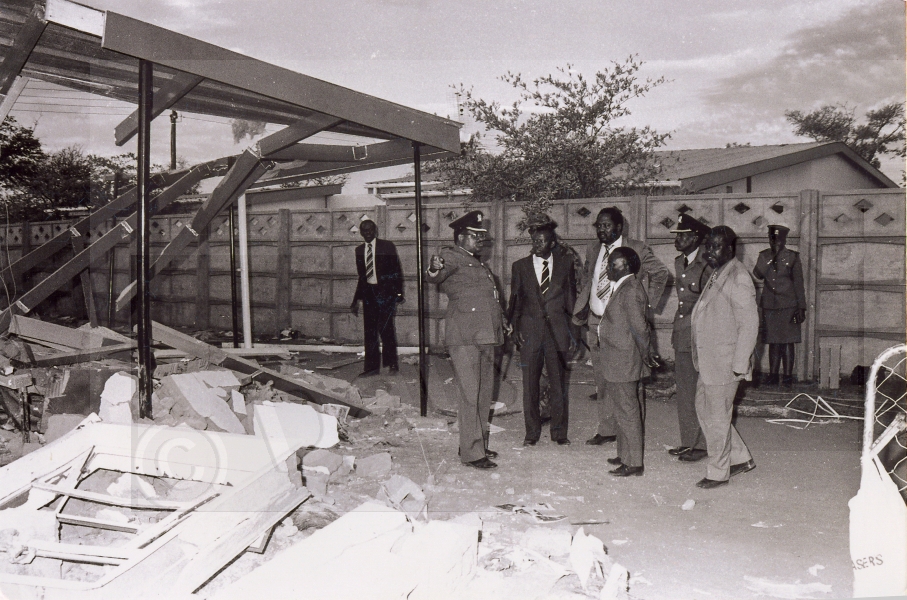
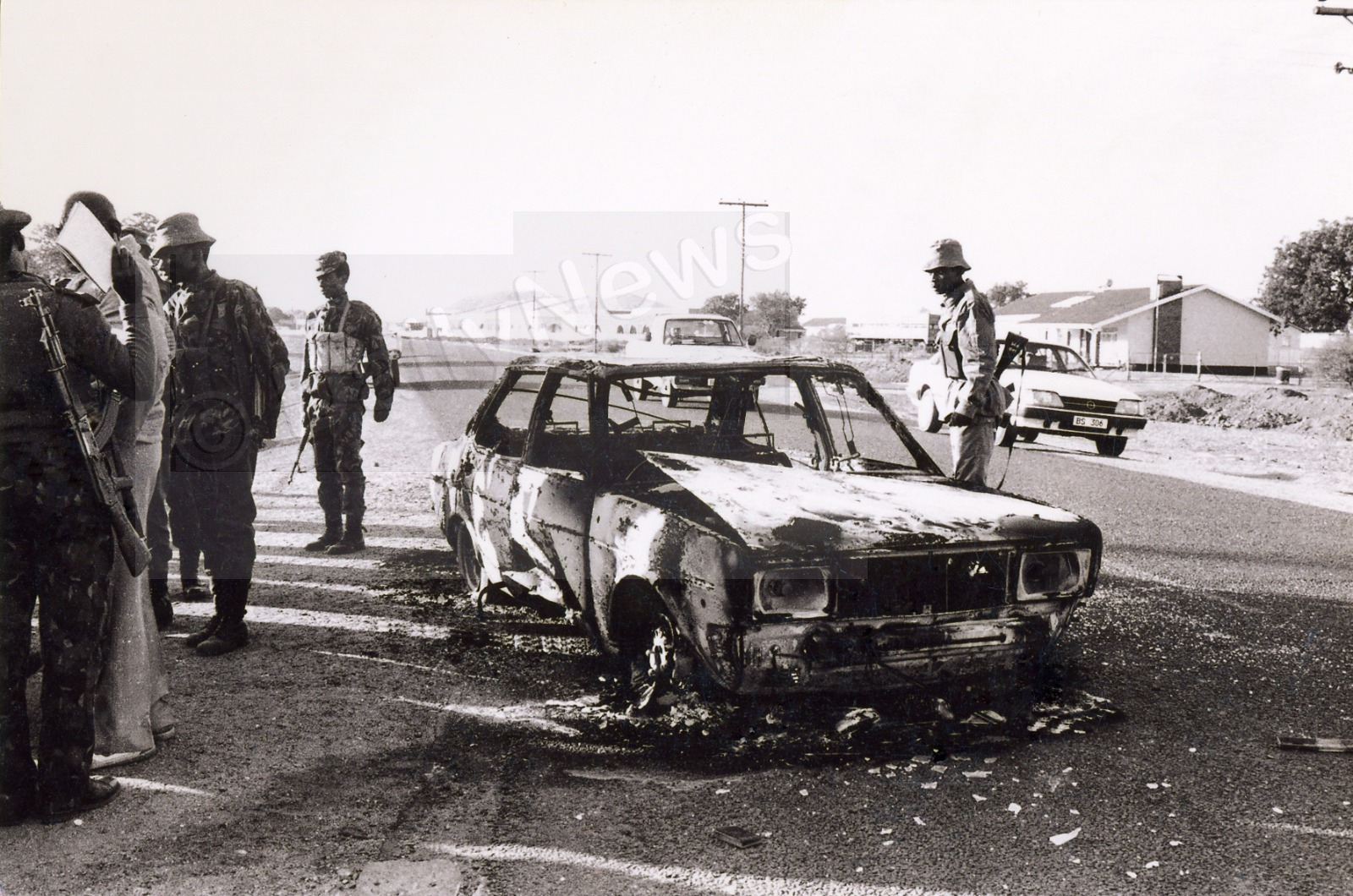
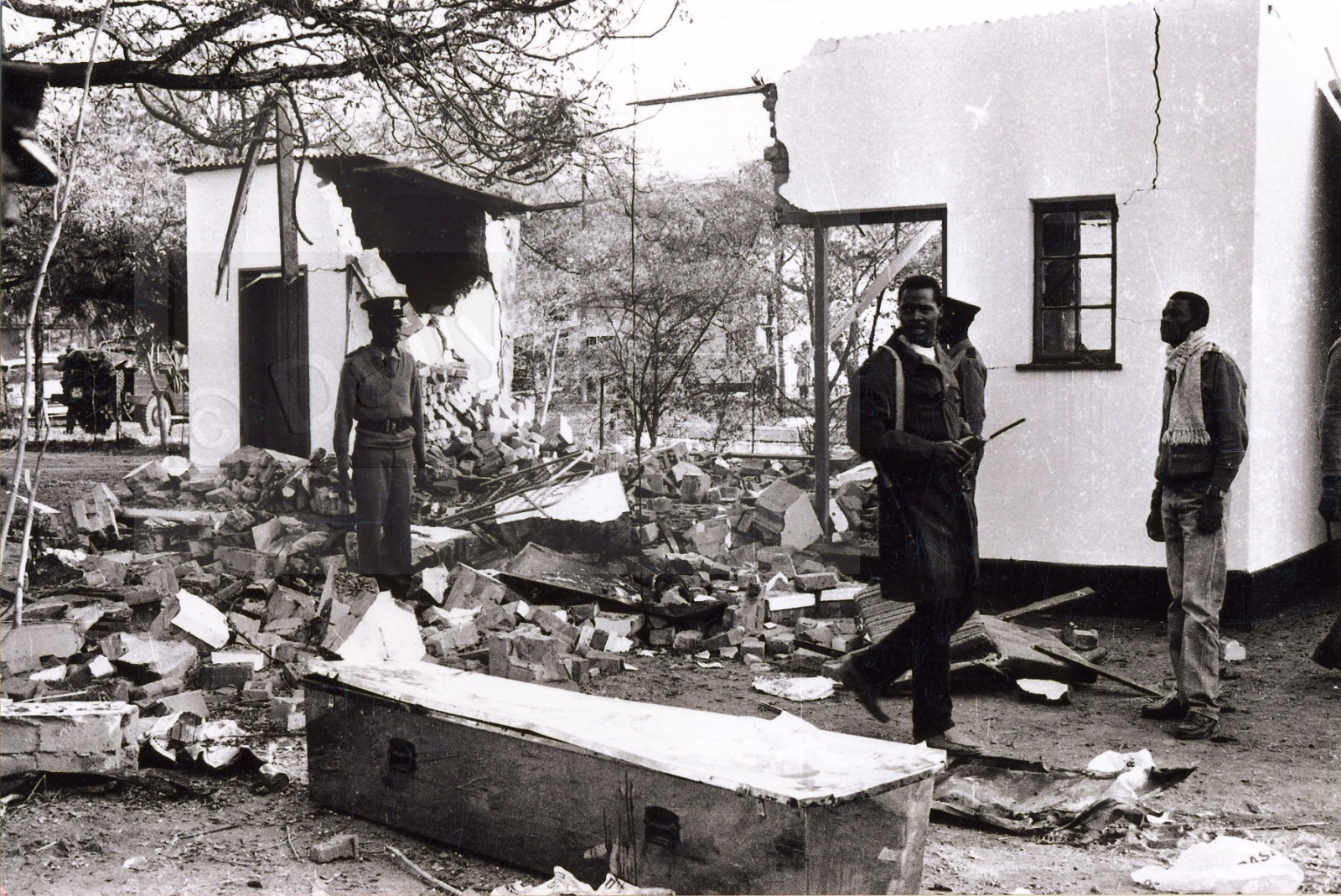
In the dark, quiet hours before dawn, the air was ripped apart by gunfire and explosions. The South African Defence Force (SADF) had crossed the border, hunting anti-apartheid activists associated with the African National Congress (ANC). By the time the sun rose, at least 12 people lay dead.
In those chaotic moments, the neighbourhood transformed into a scene of terror. Families were jolted from their sleep by the sounds of war outside their bedroom windows.
Terrified mothers and fathers grabbed their children and fled into the dark, leaving everything behind.
Many ran blindly through the streets, seeking whatever safety they could find within the walls of the local Urban Police Station, their heartbeats drowning out the fading echo of retreating engines.
At Sir Seretse Khama Barracks, a young BDF major was experiencing his own shock. Major General Pius Mokgware, now retired, still remembers the helpless feeling of being blindsided.
“We were not aware that the SADF would launch an attack. I will say openly that it was an intelligence failure back then,” Maj. Gen. Mokgware reflects, looking back at the vulnerability of that night.
The weight of what could have been still lingers. He believes that if his fellow officers had intercepted the plot, they could have changed the fate of those 12 victims.
Botswana would have stood firmly, warning South Africa that their plans were known and that their aggression would not be tolerated.
Soldiers would have been deployed directly to the targeted homesteads to stand as a shield between peaceful residents and foreign commandos.
Instead, the attackers struck with precision and vanished back over the border in under 20 minutes, leaving a community to pick up the pieces.
As dawn broke over a grieving capital, a heavy choice lay on the shoulders of Botswana’s leadership. The instinct to strike back was strong, but the commitment to save more innocent lives was stronger.
The nation chose not to launch a counter-attack, but chose peace to prevent a full-scale regional war that would have torn countless more families apart.
“The BDF strongly believed we should not retaliate because we did not want the situation to spiral out of control. Before taking military action, a country must exhaust all diplomatic channels,” he explains, shedding light on the quiet discipline required to hold back under fire. Rather than meeting blood with blood, Botswana fought with words on the global stage, taking the pain of its people to the United Nations (UN) and the Organisation of African Unity (OAU). Decades later, some still whisper that Botswana stood down out of fear or because it lacked the military muscle to face its powerful neighbour. But Maj. Gen. Mokgware dismisses the narrative completely, saying the restraint shown that night was not weakness, but respect for human life and international law.
“We did not retaliate because we were strictly following international diplomatic protocols. Retaliating would have meant sending the BDF across the border into South Africa. International law dictates that if you are attacked, you report the matter to the UN and AU. If the opponent still does not exercise restraint after that, only then do you resort to the option of retaliation,” he adds.
As the years have passed, the echoes of that June night have dimmed, yet the lessons of that brutal raid remain sharp.
For Botswana, the choice to prioritise diplomacy over the cycle of vengeance proved that true strength is not always measured in how a nation fights, but in how it resists the urge to do so.
In the quiet resilience of Gaborone today, one finds the enduring legacy of a country that refused to let violence define its future. ENDS
Source : BOPA
Author : Anastacia Sibanda
Location : Gaborone
Event : Interview
Date : 15 Jun 2026
Related News
08 Oct 2026

07 Oct 2026