First Lady Champions Children Rights
01 Jun 2026
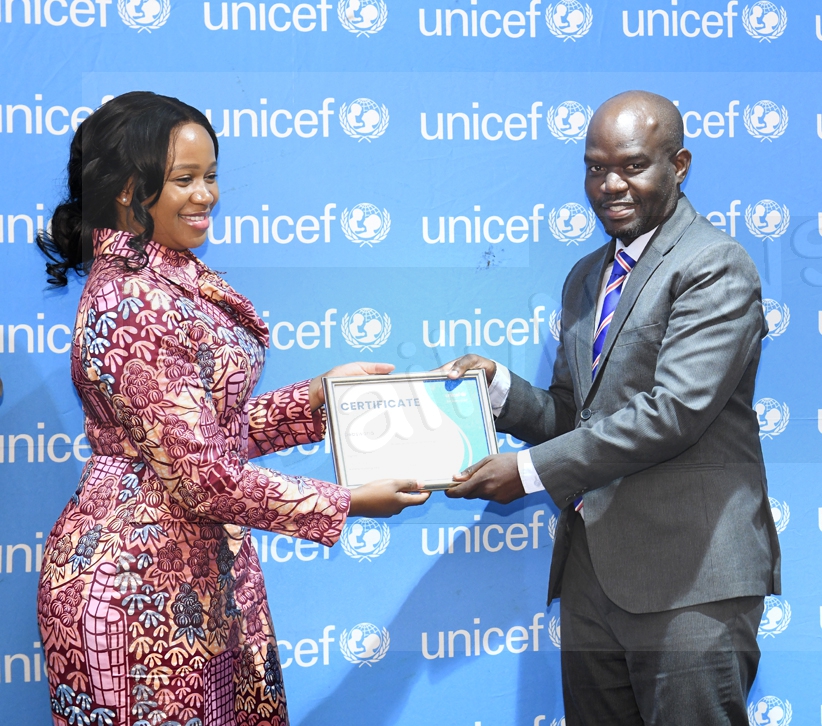
First Lady Kaone Boko has called on all stakeholders to be deliberate and bold in protecting children’s rights and welfare.
Speaking at the UNICEF Botswana Private Sector Forum for Child Rights on Wednesday, Ms Boko advocated for the integration of child protection measures into early childhood development (ECD) programmes.
While acknowledging government’s progress in establishing child-friendly courts, she stressed the need for continued collaboration with the legal system to create a more supportive environment for children. She also raised concern over child marriages and abuse, calling for urgent action to address violations of children’s rights.
Ms Boko urged stakeholders to adopt a comprehensive approach to addressing children’s needs while strengthening community awareness and involvement. She emphasised the importance of publicising ongoing child rights initiatives and improving communication about the work undertaken by organisations such as UNICEF.
Transparency, she said, would encourage greater community participation and support.
“We should also have a report to society of some sort so that they know what it is you are doing here. People are saying you are always meeting. What is it that you are actually doing? So let us also try to report back and say this is what we have done,” she said.
She added that such feedback would encourage more people to participate in and support the forum.
Ms Boko further highlighted the importance of maternal and infant care, particularly for expectant teenagers. She advocated for early engagement with young mothers before childbirth through health talks, nutrition guidance and support programmes.
To assist financially challenged expectant mothers, she said her office had distributed delivery bags containing essential items for childbirth and the first months of a baby’s life in some parts of the country.
During outreach programmes across Botswana, Ms Boko said they observed that many teenage mothers arrived at hospitals without basic necessities for their newborns. She said the initiative aimed to bridge that gap and support vulnerable families during critical periods.
Additionally, Ms Boko raised concern about developmental disparities between boys and girls.
“As we develop the girl child, we also need to develop the boy child to put them in the same position,” she said.
She noted that while efforts to empower girls were commendable, some boys felt marginalised or left behind. According to Ms Boko, this perceived imbalance could contribute to violent behaviour as some boys attempt to assert their masculinity.
She added that socio-economic conditions and environmental factors also contributed to violent conduct among boys, worsening their challenges.
Ms Boko therefore called for inclusive development programmes that give balanced attention to both boys and girls, warning that focusing solely on girls could unintentionally neglect boys’ needs and undermine long-term social cohesion.
On nutrition, she described proper feeding as critical to children’s learning and development. She said malnutrition negatively affected school performance because undernourished children lacked the physical and cognitive capacity to keep up academically.
Ms Boko further noted that malnutrition among girls increased the risk of early pregnancy, perpetuating cycles of poverty and underdevelopment. Proper nutrition, she said, was essential in breaking that cycle.
She urged government, communities and stakeholders to collaborate in implementing and sustaining school feeding programmes, stressing that no child should attend school hungry.
Meanwhile, British High Commissioner Mr Giles Enticknap reflected on the partnership between Botswana and the United Kingdom in advancing child-friendly justice systems.
Mr Enticknap acknowledged Botswana’s progress in ensuring that the justice system accommodates children’s needs rather than forcing them to adapt to systems designed for adults. He highlighted the importance of a child-friendly justice system, which seeks to provide a supportive and non-threatening environment for children, acknowledging that traditional justice processes could often be intimidating and re-traumatising.
He said government had strengthened coordination among the police, courts and social services to promote protection, dignity and rehabilitation for children involved in the justice process.
Training on interviewing children and discussions on child-friendly operating procedures, he said, had improved how professionals engage with children within the justice system.
Mr Enticknap added that challenges faced in Botswana were not unique and that both Botswana and the UK had learned valuable lessons from each other, leading to practical reforms that improve the justice experience for young victims and survivors.
The UNICEF Botswana Private Sector Forum for Child Rights seeks to strengthen investment in future generations by embedding children’s rights into corporate governance and national development strategies.
Launched in 2025, the Forum serves as a platform for cross-sector collaboration aimed at ensuring long-term and meaningful investment in children. ENDS
Source : BOPA
Author : Ketshepile More
Location : GABORONE
Event : UNICEF Botswana Private Sector Forum
Date : 01 Jun 2026
Related News
08 Oct 2026

08 Oct 2026
Ikageng graduates build VDC houses

08 Oct 2026
Road re-construction project at 34 per cent