Ke Abela Sekolo campaign kicks off
16 Jul 2026
The newly launched Ke Abela Sekolo Campaign is embarking on a vital mission to modernise the country’s ageing public schools. The initiative seeks not only to restore those ageing structures but also to preserve an important part of Botswana’s educational heritage, all while creating learning environments fit for future generations.
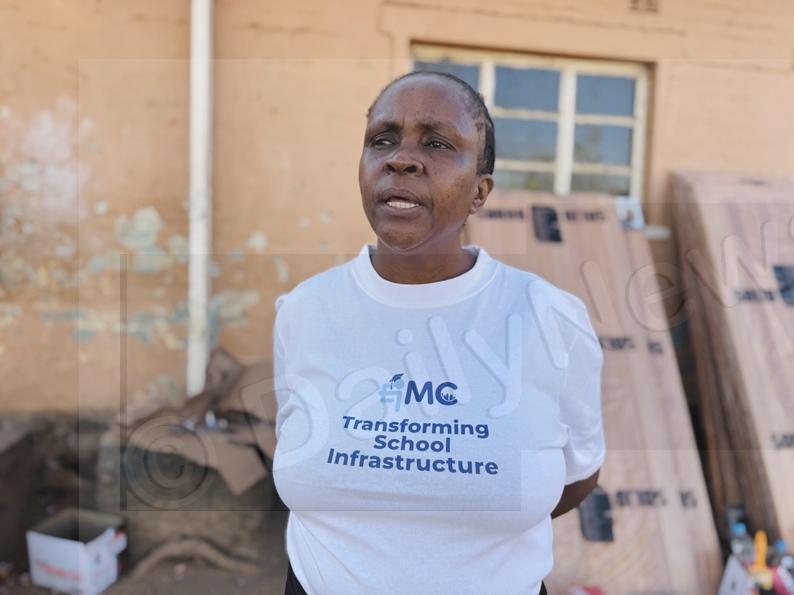
At the heart of this movement, the Education Infrastructure and Management Company’s (EIMC) Ke Abela Sekolo Campaign has placed revitalisation of school infrastructure at the centre of its mission.
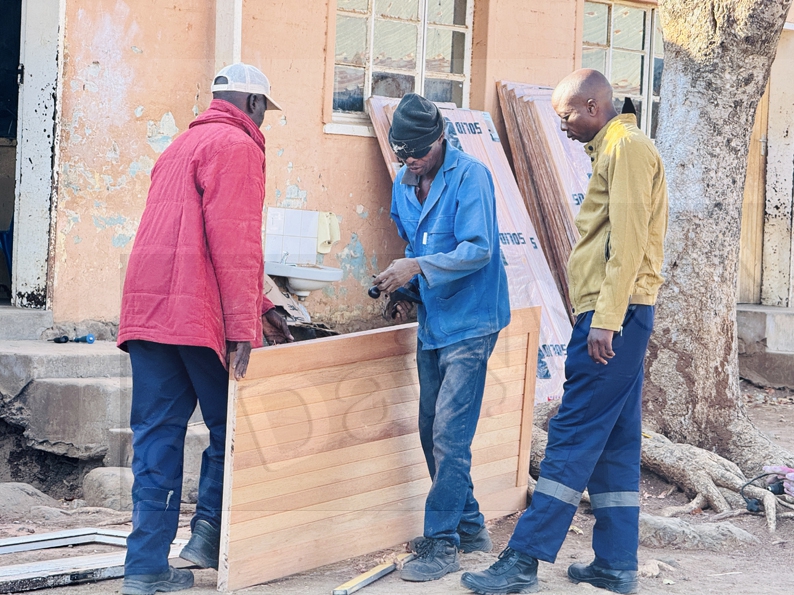
The initiative kicks off with the Winter ‘Doors and Windows’ Campaign, which aims to repair and replace damaged classroom doors and windows across 20 initially identified schools countrywide, effective yesterday.
The 20 schools include Shakawe, Kasane, Tobane, Paje, Sese and Gakgatla Primary Schools, Sedie, Motsumi, Donga, Palapye, Kwena Sereto and Maoka Junior Secondary Schools, Moeding and McConnell Colleges as well as Ghanzi, Madiba, Seepapitso, Lobatse, Molefhi and Gaborone Senior Secondary Schools.
The initiative recently received a significant boost following a P950 000 donation from the First National Bank Botswana (FNBB) Foundation.
This contribution is expected to immediately improve learning conditions while inspiring broader private-sector participation in educational development.
Speaking at the handover ceremony in Gaborone on Wednesday EIMC board chairperson, Mr Tebogo Sebego said the occasion represented much more than the acceptance of a financial contribution.
Rather, he said, it marked the beginning of an important journey towards transforming the country’s educational landscape through meaningful partnerships.
“The EIMC is committed to revitalising learning environments, beginning with 20 schools, many of which have served communities since before Botswana attained independence and continue to stand as enduring symbols of resilience, history and cultural heritage,” he said. Mr Lebotse explained that preserving the schools was meant to safeguard the country’s educational legacy and also ensure that future generations continued to learn in environments that promoted dignity, safety and excellence.
He noted that EIMC board members were products of Botswana’s public education system, thus understand from personal experience the life-changing impact that supportive learning environments can have on young people.
“For us, the campaign is not simply about repairing ageing infrastructure. It is about creating opportunities for children to realise their full potential by giving them classrooms that inspire confidence, pride and ambition,” he said
He indicated that the Winter ‘Doors and Windows’ Campaign reflected the philosophy by addressing one of the most basic, yet essential, requirements for effective learning.
“Functional doors and windows protect learners from harsh winter weather, improve classroom safety and security and restore dignity to schools that have faithfully served communities for decades,” he added.
Beyond improving infrastructure, the EIMC board chairperson highlighted that the campaign had been designed to stimulate local economic activity by engaging community-based suppliers, local artisans and skilled tradespeople to undertake the repair and refurbishment work.
Mr Sebego further explained that the company’s multifaceted funding model sought support from corporate foundations, Non-Governmental Organisations (NGOs), development partners and local communities, while recognising that government funding remained the cornerstone of public education infrastructure development. He emphasised that the Ke Abela Sekolo Campaign should not be interpreted as government withdrawing from its responsibilities.
“Instead, it serves as one of several innovative financing strategies intended to accelerate infrastructure development through stronger public-private partnerships. The guiding principle of the
EIMC is that by focusing on the basics, everything else will fall into place,” Mr Lebotse said.
Additionally, he said the Ke Abela Sekolo initiative embodied such philosophy by inviting partners to contribute towards safe, resilient learning environments and modernised infrastructure capable of meeting the demands of contemporary education.
Appreciating the FNBB Foundation, Mr Sebego said the donation represented far more than financial support.
He emphasised that it reflected shared commitment to ensure that every child in the country had access to quality education in surroundings that promoted dignity, safety and empowerment.
He encouraged more organisations to emulate the FNBB Foundation’s example by supporting the campaign through financial donations, construction materials, skilled labour, technical expertise, volunteer service and strategic partnerships.
For the EIMC board chairperson, every renovated classroom represented far more than bricks and mortar but represented renewed hope for learners, stronger communities and a lasting investment in the future.
“The future of Botswana resides in our hands. Every classroom we refurbish, every school we modernise and every partnership we forge contributes to the foundation of our nation’s future.
Together, let’s carry forward the stories of resilience and culture that define us, inspiring future generations to achieve even greater heights,” Mr Lebotse said. ENDS
Source : BOPA
Author : Lorato Gaofise
Location : GABORONE
Event : Handover ceremony
Date : 16 Jul 2026
Related News
06 Oct 2026
06 Oct 2026
Envoy pledges continued support for Botswana

06 Oct 2026
Access to sign language critical
06 Oct 2026