


BOMRA moves to regulate traditional medicine
27 May 2026
The Botswana Medicines Regulatory Authority (BOMRA) plans to bring traditional medicine under regulation as part of its current five-year strategy.
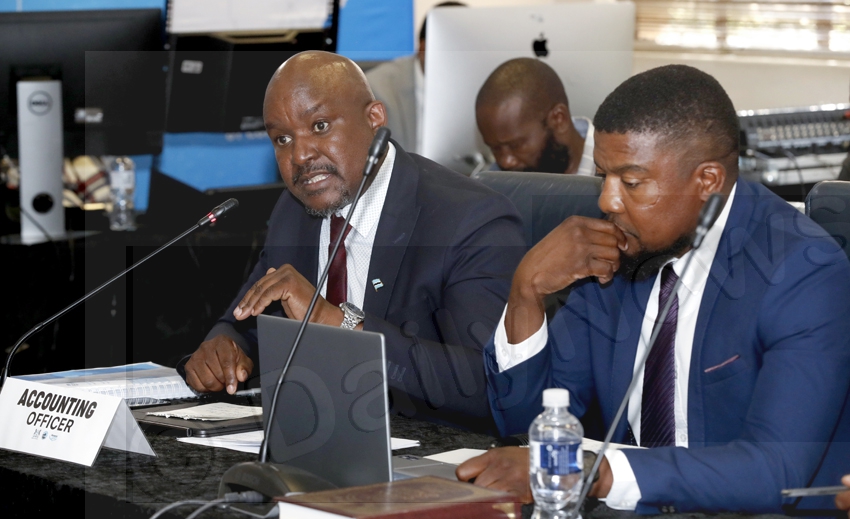
Appearing before the Parliamentary Standing Committee on Statutory Bodies and State Enterprises on May 25, Chief Executive Officer Dr Seima Dijeng said the framework was already included in the strategy, which is now in its second year.
He said the process would not be straightforward, partly because some practitioners remain reluctant to share their knowledge.
That hesitation is understandable, he explained, given past instances where traditional knowledge was taken out of the country and practitioners lost the chance to benefit from it.
To address this, BOMRA intends to work with traditional practitioners, academia and government bodies including the Ministry of Health and Companies and Intellectual Property Authority (CIPA).
“Indigenous knowledge must be protected and supported so it can grow and create income for rural communities,” he said.
He added that BOMRA had already begun engaging communities trading in traditional medicine at Dibete, with help from the local leadership.
Dr Dijeng also warned about the illegal online sale and advertising of medicines, saying unregulated products from within and outside Botswana were reaching consumers.
He said BOMRA had secured convictions against several sellers for illegal advertising, but conceded that the fines were not a sufficient deterrent. The authority is now reviewing the penalties to make them tougher, he said .
He stressed that BOMRA’s role was to ensure that products on the market are quality-assured and certified. On funding, he said BOMRA remained largely dependent on government grants, with regulatory fees accounting for only about 20 per cent of revenue.
The target is to raise this to around 50 per cent by the end of the strategy period.
He cautioned, however, that full self-sufficiency through regulatory fees alone would be undesirable, as it could create the impression that the regulator was open to influence.
Since its establishment seven years ago, BOMRA has licensed four laboratories, seized more than 100 counterfeit products, and registered over 3 000 products for use by procuring entities.
The main challenges, he said, were limited capacity to reach rural areas and ongoing supply chain disruptions stemming from the COVID-19 pandemic and the country’s financial constraints. ENDS
Source : BOPA
Author : Bonang Masolotate
Location : GABORONE
Event : Parliamentary Statutory Bodies Committee
Date : 27 May 2026
Related News


09 Oct 2026
Duma Boko School prepares for January intake

09 Oct 2026
Botswana and Zimbabwe seal waste management deal

08 Oct 2026