


Botswana on track to meet and sustain UNAIDS HIV targets
27 May 2026
Progress has been achieved in HIV and AIDS treatment and prevention towards the global UNAIDS 95-95-95 goals, says National AIDS and Health Promotion Agency deputy national coordinator, Ms Tebogo Hlabano.
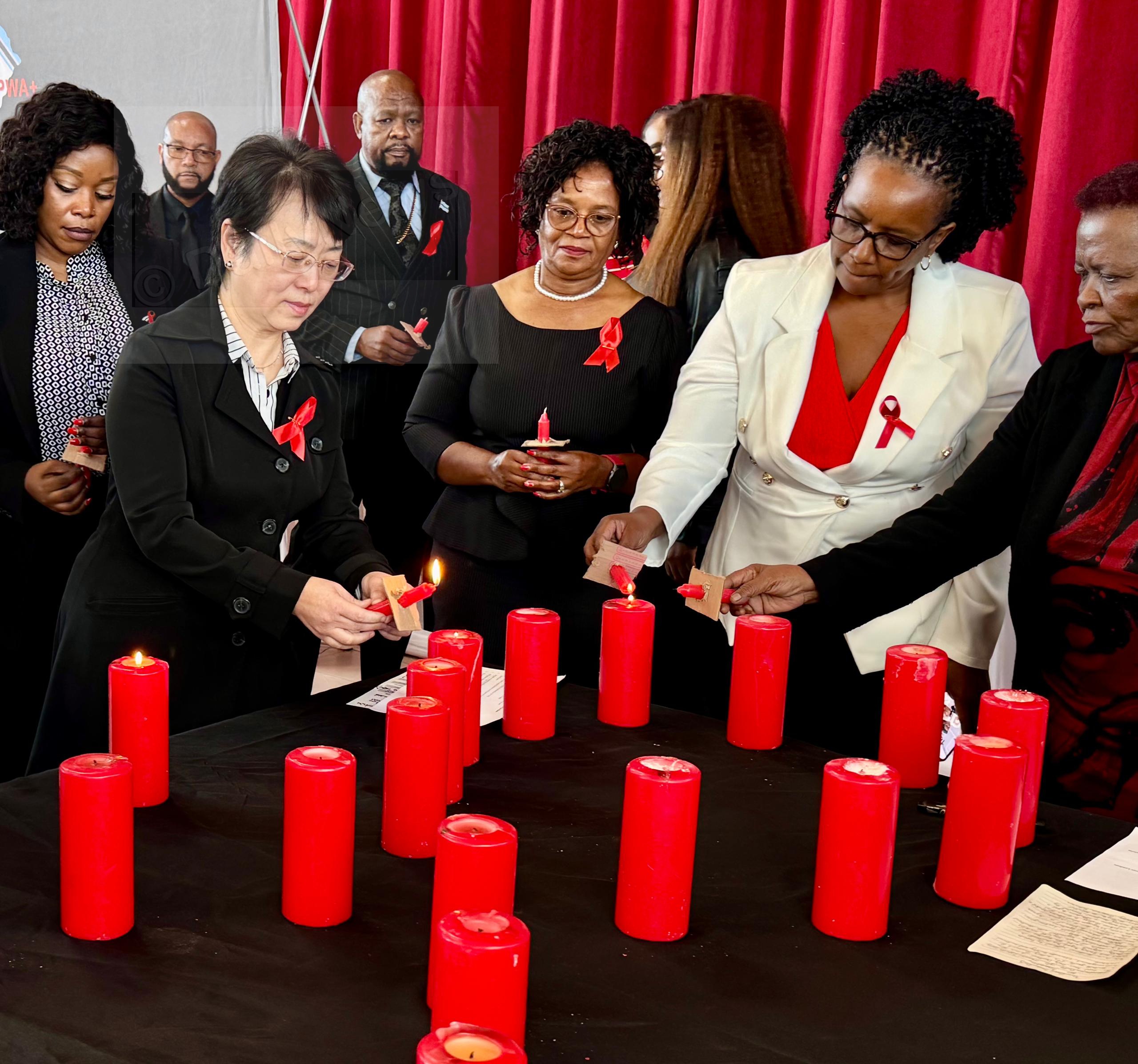
Speaking during National AIDS Candlelight Memorial held in Lobatse as part of the build-up activities towards World AIDS day to be held on December 1, Ms Hlabano said Botswana had made remarkable progress towards the global UNAIDS 95-95-95 goals with 95 per cent of all people living with HIV knowing their HIV status, 98 per cent of those diagnosed on sustained antiretroviral therapy (ART) and 98 per cent of all people on ART having achieved viral suppression. This, she noted meant that the country was close to meeting and sustaining the UNAIDS targets by significantly reducing HIV transmission and improving quality of life for people living with HIV.
Nonetheless, she said HIV and AIDS remained a significant public health challenge in Botswana, impacting the lives of many citizens, adding that Botswana was among the four most affected countries globally, with an incidence rate of 0.2 per cent, which translated to 2 200 new cases reported annually according to the 2021 BAIS V. She highlighted that the national HIV prevalence stood at 20.8 per cent which represented approximately 329 000 adults living with HIV.
She noted that women were more affected with a prevalence rate of 26.2 per cent compared to 15.2 per cent among men, adding that infections remained unevenly distributed between genders.
Additionally, she said adolescent girls and young women were 3.5 times more likely to acquire HIV compared to adolescent boys and young men.
Ms Hlabano said Botswana continued to witness treatment gaps such as children and adolescent girls and young women living with HIV not accessing treatment.
Men on the other hand responded slowly to HIV testing thus were not enrolled on treatment. She noted that the recent shortage of medicines in healthcare facilities including HIV commodities could reverse the gains achieved thus far.
For her part, the UNAIDS country director for Botswana and Namibia, Dr Kai Zhou said over the past four decades, the global HIV response had achieved remarkable progress.
In 2024, she said over 31.6 million people accessed lifesaving treatment, which stood at 77 per cent of the total number people living with HIV globally.
She highlighted that new HIV infections and AIDS-related deaths had fallen to their lowest levels since the early 1990s, adding that reduction in new infections and AIDS-related deaths had been strongest in sub-Saharan Africa. She said Botswana has demonstrated political commitment, investment, and community engagement where people living with HIV were living long, healthy, and productive lives.
She cautioned that AIDS fight was not over yet as there were still 9.2 million people worldwide who could not access HIV treatment, adding that in 2024 there were 630 000 AIDS-related deaths and 1.3 million people acquired HIV.
Dr Zhou emphasised that the global HIV response was at a critical juncture where progress was real and measurable, but it was increasingly vulnerable to converging crises, including decline in external financing, high debt burden in the countries most affected by HIV, a growing number of humanitarian crises, and a regression in human rights.
The daily realities faced by people living with HIV were inequalities, stigma, discrimination, and gender-based violence which continued to slow progress, especially among vulnerable populations and marginalised communities.
As such, she noted, the significance of holding International AIDS Candlelight Memorial, saying it was one of the world’s oldest and most important grassroots movements in the HIV response as it provided communities with a space to mourn, to heal, to remember loved ones, and to stand together against stigma and discrimination.
With regards to Lobatse which has been selected to host this year’s World AIDS Day, deputy Town Clerk for Primary Health Care, Ms Goitsemodimo Choene said according to Botswana AIDS impact survey, HIV prevalence rate amongst ages 15-64 for Lobatse district was 13.4 per cent. Nationally, she said prevalence was sitting at 20.8 per cent with males at 15.2 per cent while for females it was 26.2 per cent.
Additionally, Ms Choene said HIV/AIDS continued to affect many families and communities nationwide, noting that even though Botswana had made remarkable progress in HIV awareness, treatment and prevention still remained a serious concern. She said in Lobatse District, a total of 8 145 people had been tested from April 2025 to March 2026 and 132 of them had tested HIV positive and were immediately enrolled on ARV treatment.
At present, she said there were 5 965 patients on treatment, of whom 5 945 were virally suppressed.
She said 214 clients were lost to follow up, explaining that they were nonetheless working tirelessly to locate them to enrol them.
With regards to Prevention of Mother To Child Transmission (PMTCT) in the district, a total of 147 infants were born to HIV positive mothers and all of them tested HIV negative, indicating the success of the PMTCT programme, she said. ENDS
Source : BOPA
Author : Calviniah Kgautlhe
Location : Lobatse
Event : National AIDS Candlelight Memorial
Date : 27 May 2026
Related News


09 Oct 2026
Duma Boko School prepares for January intake
09 Oct 2026
Botswana and Zimbabwe seal waste management deal


08 Oct 2026