


The Judiciary remains indispensable - Mohwasa
26 May 2026
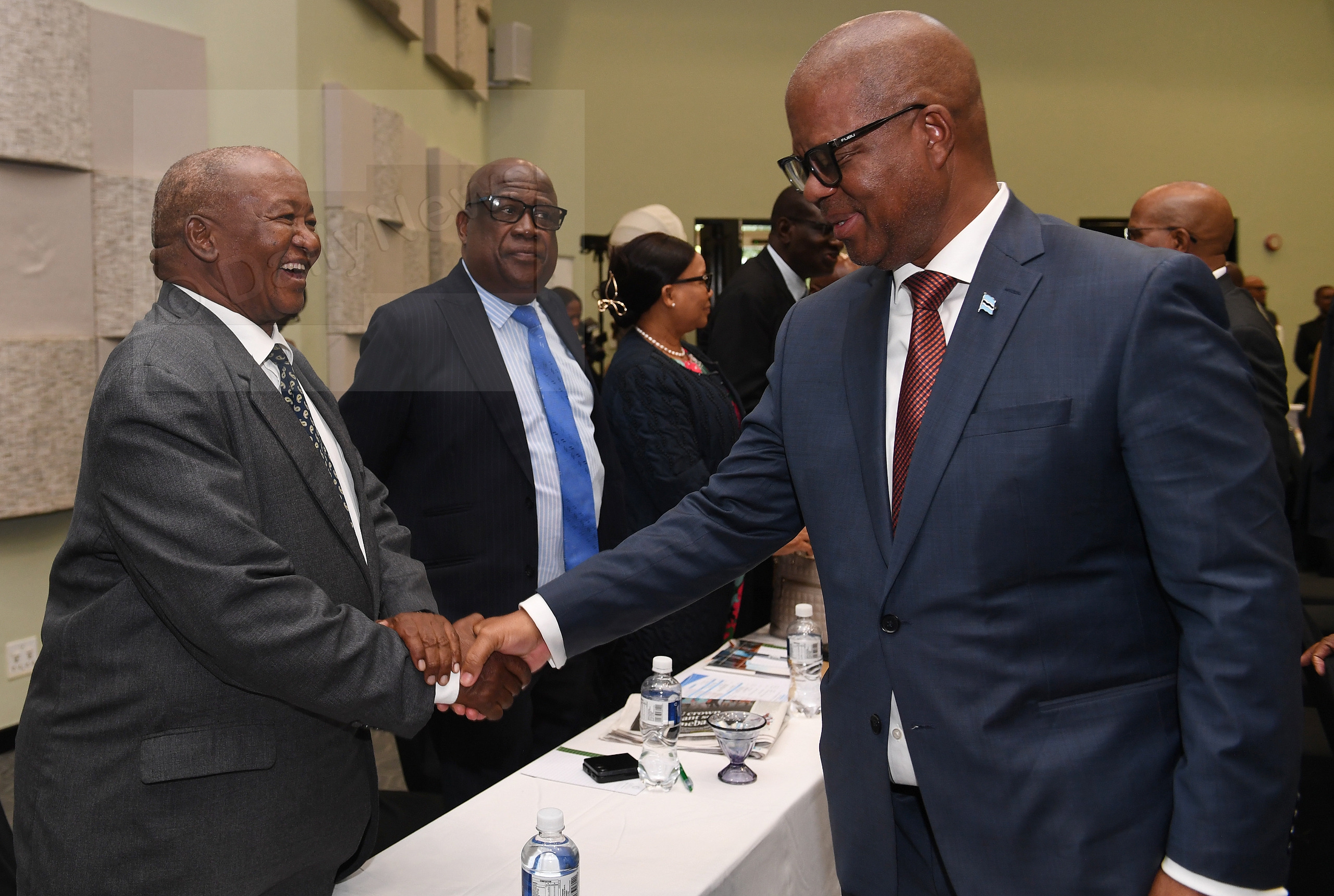
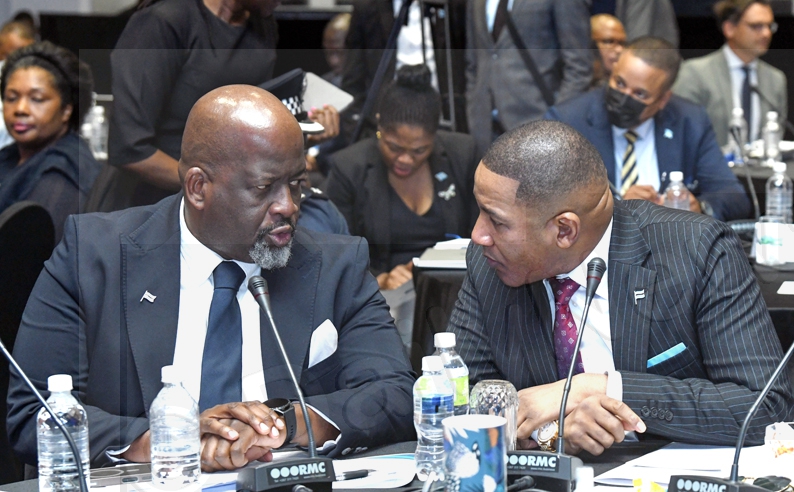
Minister for State President, Defence and Security, Mr Moeti Mohwasa has called on the judiciary to ensure that public sector reforms remain anchored in fairness and constitutionalism, arguing that the newly enacted Public Service Act of 2026 will only succeed if judges protect the dignity of the ordinary citizens it is meant to serve.
Speaking at the opening of a two-day judges’ workshop on the Public Service Act No. 5 of 2026 on May 26, Minister Mohwasa said the judiciary remained indispensable in interpreting laws and policies to protect the core principles of justice.
The minister emphasised that the engagement of judges in interpreting the law was what ensured that state implementation of such reforms remained guided by reason and constitutional bounds.
He noted that in pursuing the national goals set out in the State of the Nation Address (SONA), the Budget Speech and National Development Plan 12 (NDP 12), leaders must remember that development was only meaningful when it tangibly reached the public.
“A policy is only successful when a citizen’s life becomes a little more bearable, a little more dignified and a little more hopeful because of it,” he said, adding that citizen welfare must remain the ultimate metric of success.
He also stated that the Public Service Act No. 5 of 2026 was not just reform for the sake of administration, but represented shared responsibility to rebuild trust, improve service delivery and ensure that the nation was served with clarity and dignity, without forgetting the ordinary citizens who depended on public services.
Consequently, the minister described the workshop as a vital space for state institutions to engage in honest dialogue, not as competing centres of power, but as collaborative arms of a single state responsible for one people.
“We are here to ask difficult but necessary questions, how do we improve efficiency without undermining fairness? How do we strengthen discipline without weakening dignity? How do we build a Public Service that is firm, but also humane and just?” he asked.
He encouraged participants to engage openly and responsibly, urging them to approach the discussions as citizens who were ultimately accountable to the hopes of the people, rather than strictly as detached interpreters of the law.
Responding on behalf of the judiciary, Chief Justice Gaopalelwe Ketlogetswe observed that Botswana functioned as a transitional democracy regarding the separation of powers among the executive, the legislature and the judiciary.
Chief Justice Ketlogetswe underscored that, beyond interpreting the law, the judiciary held the constitutional responsibility of keeping the executive accountable and ensure that it remained within legal boundaries when exercising its powers.
He noted that the judiciary relied on government to adhere to such rules so that the courts can effectively discharge their duties.
Furthermore, the Chief Justice addressed the collaborative nature of governance, explaining that while the arms of government coexisted independently, they must work together constructively to sustain the state’s democratic framework. He clarified that the workshop was a mutual engagement rather than a strictly judicial directive.
“We interrogate the issues that they want us to discuss and when we think it will be mutually beneficial, we agree,” Chief Justice Ketlogetswe said.
“Once we agree to take part in training of this nature, it does not become a purely judge-led initiative,” he added.
He further noted that the workshop offered an important opportunity for judges to understand the latest changes in labour-related laws. Such knowledge, he said, would shape how the courts interacted with various aspects of the new Public Service Act, its accompanying regulations and the directives issued by the Directorate of Public Service Management (DPSM). ENDS
Source : BOPA
Author : Gontle Merafhe
Location : Gaborone
Event : workshop
Date : 26 May 2026
Related News

09 Oct 2026
Duma Boko School prepares for January intake
09 Oct 2026
Botswana and Zimbabwe seal waste management deal

08 Oct 2026