


Botswana moves to tighten financial sanctions regime
18 May 2026
Botswana is undertaking a decisive reset of its financial integrity systems, as weaknesses in anti-money laundering and counter-terrorism financing frameworks threaten both the country’s reputation and its place in the global financial system.
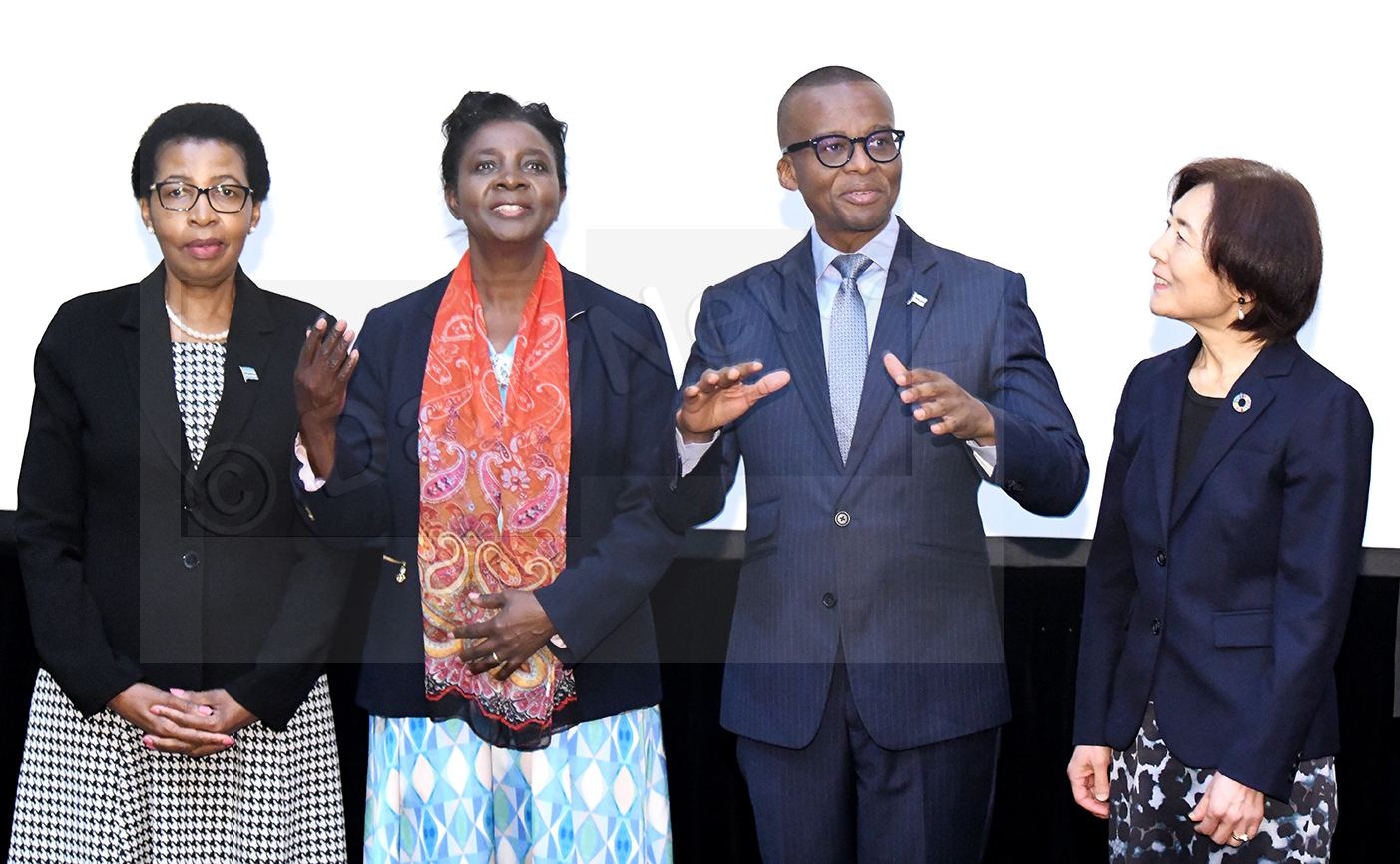
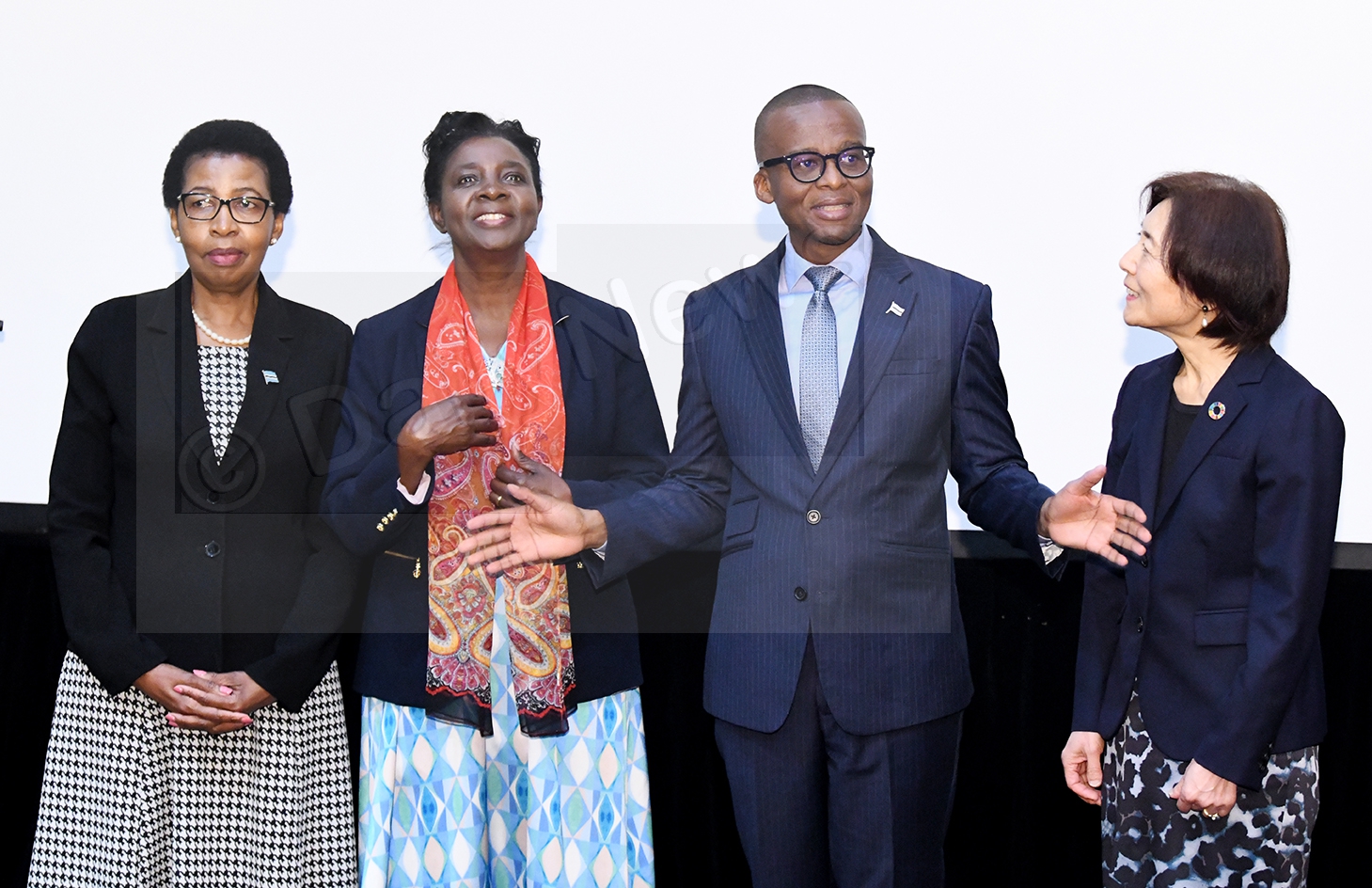
Speaking at the United Nations Security Council Resolutions Asset Freeze and Standard Operating Procedures Roundtable in Gaborone recently, Vice President Ndaba Gaolathe said Botswana could no longer rely on its historic reputation for good governance and clean administration.
“There was a time when Botswana needed no introduction, the world looked at us and saw proof that Africa could govern itself with excellence,” he said.
Mr Gaolathe reflected on Botswana’s post-independence rise from a resource poor nation into one of Africa’s most respected democracies, crediting generations of disciplined civil servants and principled leadership for building institutions trusted by investors and international partners.
However, he warned that years of declining standards and regulatory gaps had weakened that legacy.
“Some of that ground has been ceded, not dramatically, not all at once, but incrementally, through the slow erosion of standards,” Mr Gaolathe said.
The Vice President pointed to international assessments that identified weaknesses in Botswana’s anti-money laundering and sanctions implementation systems.
He cited the Basel AML Index, which ranked Botswana with a composite risk score of 6.02 out of 10 in 2017, improving to 5.06 by 2020 following reforms, saying despite the improvement, Botswana remains ranked 76th out of 141 countries.
He also referenced findings by the United States Department of State and the Eastern and Southern Africa Anti-Money Laundering Group (ESAAMLG), which highlighted deficiencies in the implementation of targeted financial sanctions.
“These are not accusations, they are findings from institutions we invited to assess us, because we had the courage to want the truth,” he said.
The roundtable focused on strengthening Botswana’s compliance with United Nations Security Council Resolutions 1267 and 1373, which require member states to identify, freeze and prevent access to assets linked to terrorism and proliferation financing.
Mr Gaolathe announced that Botswana’s Cabinet has approved the United Nations Targeted Financial Sanctions Bill, 2026, which would soon be tabled before Parliament.
The proposed legislation, he said, was intended to establish a comprehensive legal framework for implementing UN sanctions and strengthening Botswana’s compliance with Financial Action Task Force (FATF) recommendations on terrorism and proliferation financing.
According to Mr Gaolathe, the Bill introduces domestic designation and asset-freezing powers aimed at addressing shortcomings in Botswana’s current legal framework.
“Compliance is not optional, it is the price of participation in the global financial system and it is the price of our dignity as a sovereign nation,” he said.
He stressed that legislation alone would not be enough, urging government departments, regulators, financial institutions and law enforcement agencies to ensure effective implementation of sanctions procedures.
The Regional Representative for Southern Africa, United Nations Officer on Drugs and Crime (UNODC), Ms Jane Ongolo praised Botswana for stepping up efforts to strengthen its anti-money laundering and counter-terrorism financing systems supported by the United Nations Office on Drugs and Crime and funded by the United States government.
Ms Ongolo said UNODC had worked closely with Botswana to provide legislative drafting support and technical assistance for implementing UN sanctions resolutions.
She said the draft legislation, already approved by Cabinet, would strengthen Botswana’s framework for targeted financial sanctions and asset freezing linked to terrorism financing.
She warned that terrorism financing threats continue to evolve, with criminal networks exploiting weaknesses in financial systems across the region.
“Southern Africa is no exception to these challenges,” she said.
The Chargé d’Affaires at the Embassy of the United States in Botswana, Mr Christopher Gunning, said the training would equip Botswana’s public and private sectors with tools to strengthen sanctions enforcement and protect the country’s financial system.
“Botswana is globally recognised as a beacon of good governance, transparency and the rule of law,” Gunning said, adding that that was the reason the United States was happy to help finance this programme.”
He added that the initiative would support Botswana’s preparations for future ESAAMLG mutual evaluations and reinforce international confidence in the country’s financial governance systems. ENDS
Source : BOPA
Author : Lesedi Thatayamodimo
Location : Gaborone
Event : UNODC roundtable
Date : 18 May 2026
Related News

10 Oct 2026
Feature Reliving the Long March 90 years on


09 Oct 2026