


Climate change project gains new momentum
07 May 2026
Botswana has accelerated its multi-million-dollar campaign against climate change with revitalising a landmark project aimed at protecting communal rangelands and rural livelihoods.
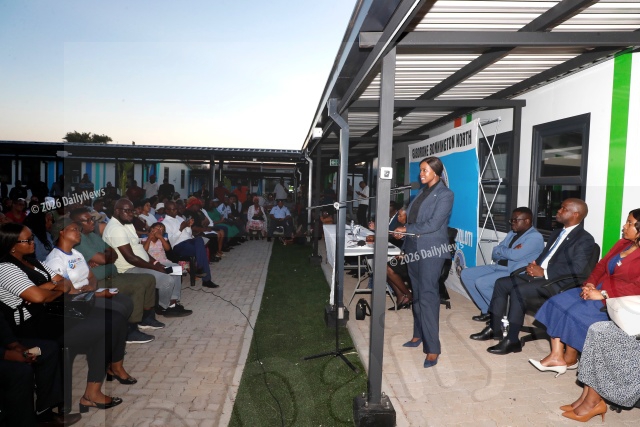
Speaking at a media engagement session in Gaborone on Wednesday, Dr Kefentse Motshegwa, deputy permanent secretary for livestock farming in the Ministry of Lands and Agriculture, hailed the $USD 96.7 million (approximately P1.3 billion) ecosystem-based adaptation and mitigation project as a cornerstone of national resilience.
Despite contributing minimally to global greenhouse gas emissions, Dr Motshegwa said Botswana remained on the frontline of climate volatility, battling chronic drought, bush encroachment and devastating veld fires.
He stressed that the initiative was more than a conservation effort, but also a livelihood and resilience programme. He explained that the project targeted 104 villages across Bobirwa, Ngamiland and Kgalagadi.
By focusing on the restoration of rangelands and the modernisation of livestock management, government aims to empower these communities to withstand climate stress while simultaneously transitioning towards a low-emissions development model.
This ambitious vision is now gaining significant momentum following a period of initial setbacks.
Although the project was designed to span the decade from 2021 to 2030, Dr Motshegwa said it faced challenges that resulted in the loss of two crucial years.
However, a relaunch by President Advocate Duma Boko in Tsabong in May last year, provided the necessary political and operational impetus to revitalise the agenda.
Dr Motshegwa said the renewed energy was further evidenced by the recent milestone at Phuduhudu on March 31, which had now been designated as a national learning centre where local farmers and leaders can witness the practical successes of land restoration and improved grazing techniques.
The long-term sustainability of these efforts is underpinned by a comprehensive framework involving three main components, ranging from the strengthening of institutional planning to the transformation of policy and value chains.
To ensure these outputs are woven into the fabric of national development rather than operating in isolation, Dr Motshegwa said a multi-sectoral project steering committee had been established to provide oversight.
Ultimately, Dr Motshegwa however said the project’s true success rested upon the shoulders of the people it served, noting that local ownership, inspired leadership and integration of traditional knowledge were essential ingredients in restoring the land that sustained the nation. ENDS
Source : BOPA
Author : Ndingililo Gaoswediwe
Location : Gaborone
Event : media engagement
Date : 07 May 2026
Related News

10 Oct 2026
Feature Reliving the Long March 90 years on

09 Oct 2026