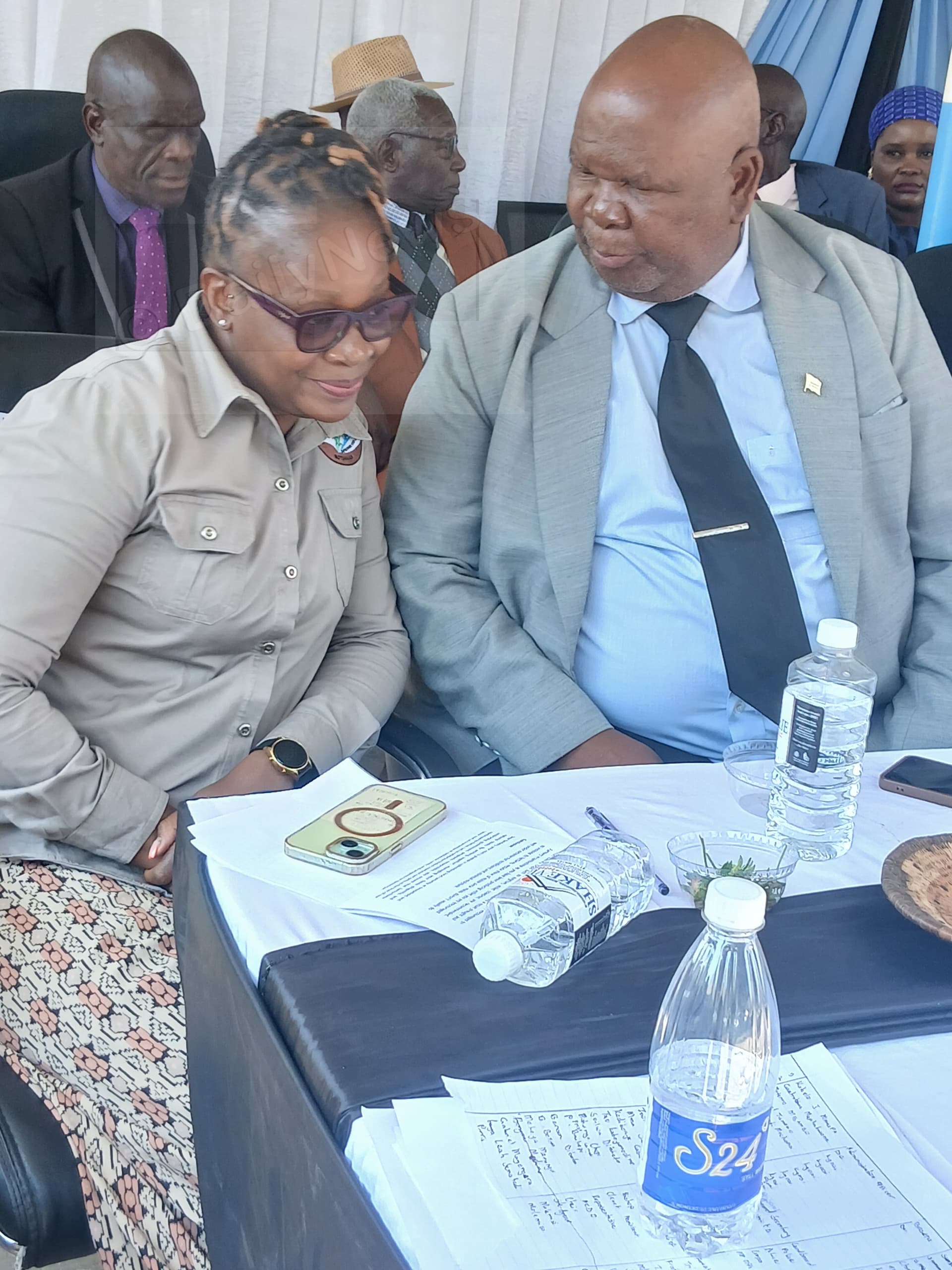
FMD crisis threatens nations livelihoods
30 Apr 2026
Botswana is currently battling a serious outbreak of Foot and Mouth isease (FMD) that has spread across several parts of the country at the same time, placing pressure on the economy, farmers’ livelihoods and the nation’s way of life, assistant minister of Lands and Agriculture, Dr Edwin Dikoloti said in Gaborone on Wednesday.
The disease has been reported in zones 6b and 3c in the North East District, as well as zone 11 in the southern region. Because of this, he said most parts of the country have lost their FMD-free status, with only zones 4a, 3b and 7 still unaffected for now.
Dr Dikoloti said this has had an immediate impact on Botswana’s beef exports, especially the loss of access to the European Union market under the SADC–EU partnership agreement. The EU market has long helped to keep beef prices steady and protect farmers from sudden losses, making this setback particularly difficult.
He described the situation as both unusual and deeply worrying, noting that outbreaks have occurred almost at the same time in different areas. He said this has exposed gaps in the country’s disease control systems, even though Botswana has strong measures in place such as cordon fences and strict animal health controls.
He explained that government is now changing its approach by working more closely with other partners, including the private sector and faith-based organisations. In the past, these groups were not often involved in agriculture matters, especially during emergencies, but they are now seen as important partners in finding solutions.
The assistant minister said there is an urgent need for a clear recovery plan to help the country regain its FMD-free status as quickly as possible. This, he said, is key to reducing losses and reopening international markets.
He also spoke about the important role that faith-based organisations can play during this time. With their strong presence in communities, they are able to reach people on the ground, offer support, and help spread important information to farmers and families.
Dr Dikoloti stressed that the outbreak is not just about livestock or the economy, but about people’s lives. In Botswana, many households depend on cattle for income and food, so any disruption affects entire communities.
He called on farmers and the public to stay alert, report any suspected cases quickly, and follow all the required safety measures. He also urged communities to work together and support government efforts to control the disease.
He called for unity, encouraging everyone to stand together, support those affected, and play their part in rebuilding and strengthening the country’s agriculture sector.
Representing the Zion Christian Church, Bishop Sir Wonder Masebola said that FMD in Bobirwa dates back to the 1980s, a period he described as a dark phase for pastoral subsistence farmers whose livelihoods depended on cattle.
He explained that, in an effort to make a breakthrough and defeat FMD in Bobirwa, traditional leaders and members of the clergy were brought on board. Voluntary regiments, each with a coordinator, were established to patrol borders and assist officials already deployed.
He stressed that the government needs collective support, as it cannot manage the situation on its own, adding that Conservation International played a key role in the fight by training regiments and herd boys.
While acknowledging that the government has deployed security personnel to patrol borders, he said that their numbers remain insufficient. He also highlighted that strong relationships between neighbouring countries have borne fruit, with nations working together in joint border patrols.ends
Source : BOPA
Author : Ndingililo Gaoswediwe
Location : Gaborone
Event : FMD
Date : 30 Apr 2026
Related News
02 Sep 2026

01 Sep 2026
BSB introduces business banking
31 Aug 2026
Low Loan Recovery Threatens P59m Youth Fund

31 Aug 2026