Aluminium Three-Legged Pots Safety Concerns Explained
22 Apr 2026
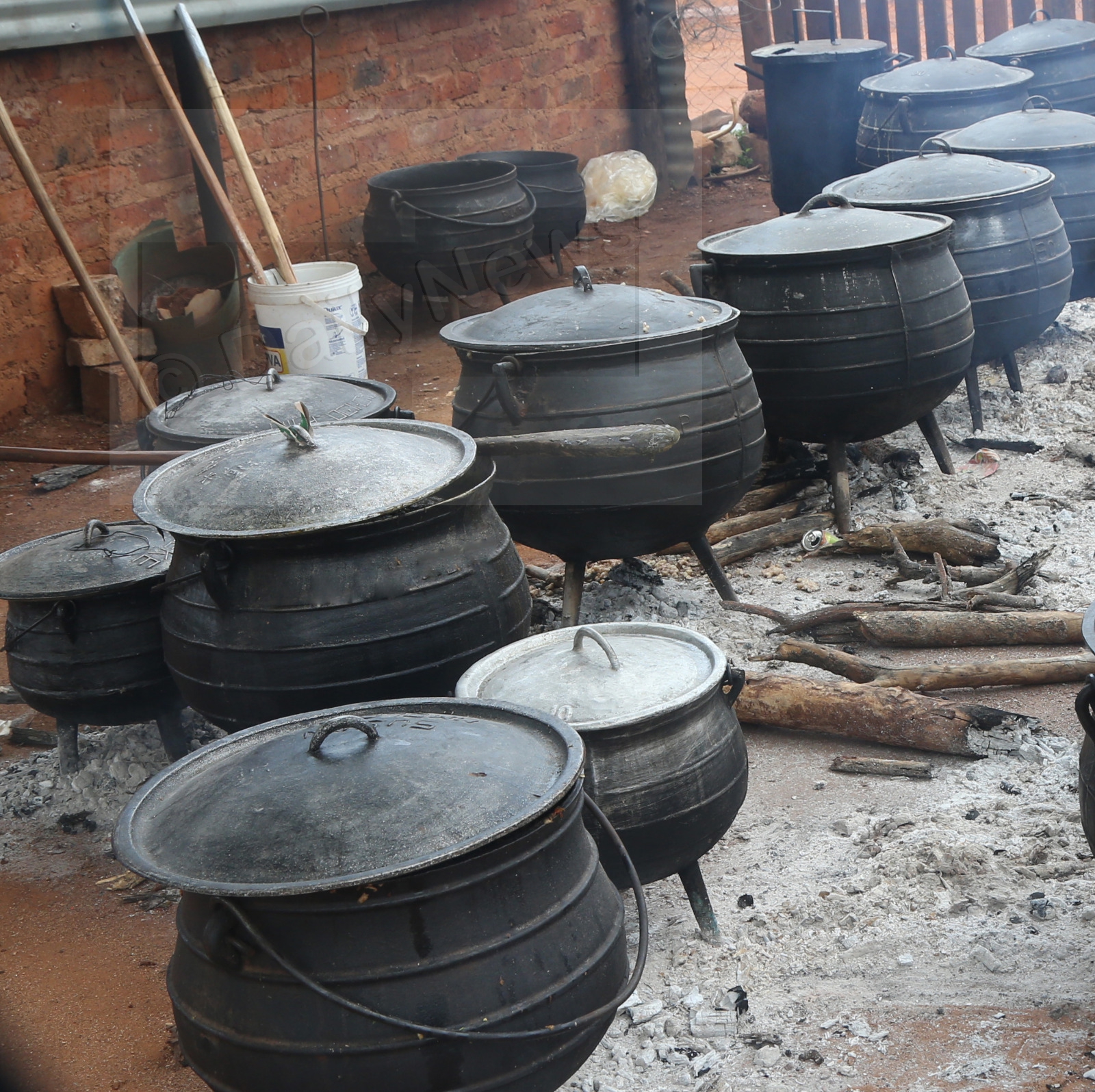
Numerous reports circulating online raise alarm over the safety of the popular aluminium three-legged pot, commonly known as maswafe, warning that it may not be safe for everyday cooking.
Recent findings and health discussions across Southern Africa show that these concerns are not entirely unfounded, but they are often misunderstood.
This is revealed by Dr Lebogang Sebekedi of Institute of Lifestyle Medicine, who says, ‘the issue is not aluminium itself, but what some of these pots are made from’.
He explains that while aluminium cookware is generally considered safe when it is of good quality, problems arise with informally manufactured pots.
Many of the commonly used silver-coloured three-legged pots are produced from recycled scrap metal such as old car parts and industrial waste, a process that introduces dangerous contaminants including lead, arsenic and cadmium.
Dr Sebekedi notes that guidance from bodies such as the World Health Organisation (WHO) supports concerns around exposure to toxic metals.
Although WHO does not issue a specific press release naming these pots, its fact sheets on lead poisoning clearly warn about the dangers of exposure from contaminated sources.
He says when these pots are used for cooking especially under high heat or when preparing acidic foods, the harmful substances can leach into food at unsafe levels.
“Lead, in particular, poses a serious risk because there is no safe level of exposure, and long-term intake is linked to kidney damage, high blood pressure and developmental problems in children,” he says.
At the same time, Dr Sebekedi stresses that not all aluminium cookware is dangerous.
“High-quality, factory-produced aluminium pots, especially coated or anodised types, remain safe for everyday use,” Dr Sebekedi says.
He says the risk comes mainly from poor manufacturing processes rather than the material itself.
He advises households to pay attention to where cookware comes from and its condition.
Dr Sebekedi further says people should avoid prolonged cooking or storing acidic foods in such pots, transfer leftovers into safer containers such as glass or stainless steel and replace pots that are scratched, worn or discoloured.
“Safer alternatives such as stainless steel or cast iron are also recommended where possible,” he says.
The message, he states is not to create panic but to build awareness because understanding the difference between safe and unsafe cookware helps protect families from preventable health risks. ENDS
Source : BOPA
Author : Taboka Ngwako
Location : Gaborone
Event : Interview
Date : 22 Apr 2026
Related News

08 Oct 2026