A moment with Seeletso
30 Mar 2026
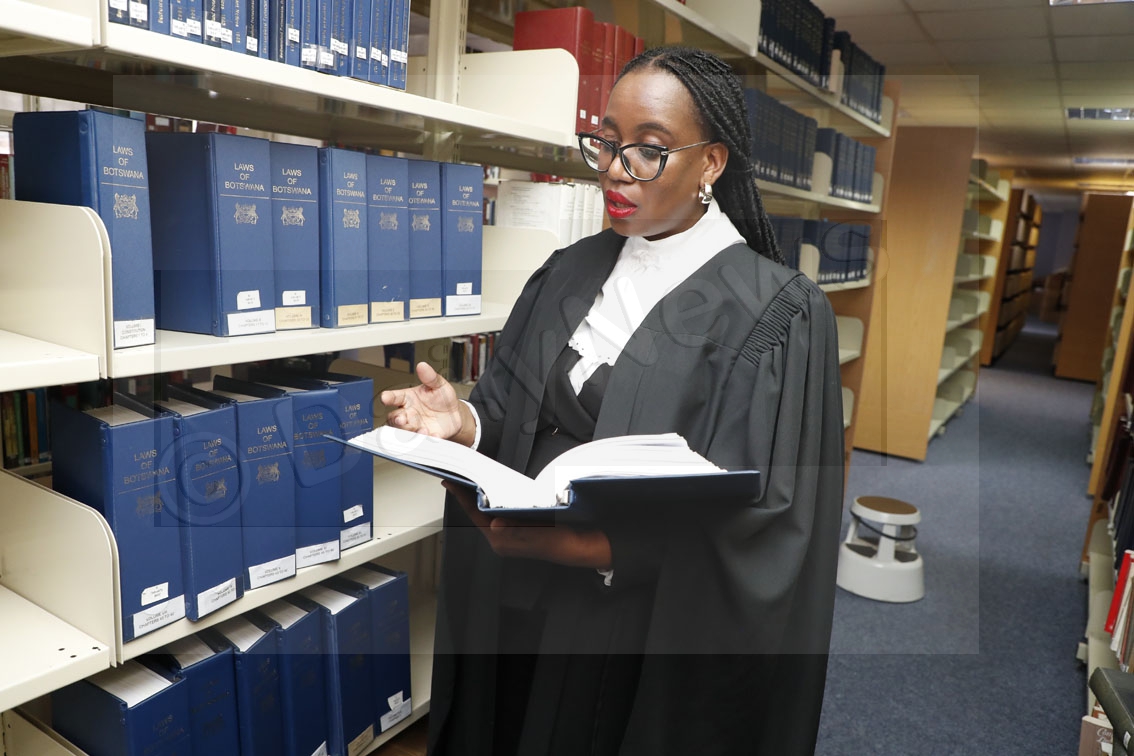
In the heat of the courtroom, where egos clash and justice hangs in the balance, a rising female lawyer is on a mission to fight for the voiceless and seek justice, especially for women and children. Relentless in pursuit, oozing confidence and determined to unravel the darkest of crimes, Ms Seeletso Ookeditse (40) is rising to be a force to be reckoned with in the male-dominated criminal legal landscape.
It is her fondness for homicide cases and a heart that beats for the girl child and women’s rights that makes those standing against the poised demeanour taste of her tenacity.
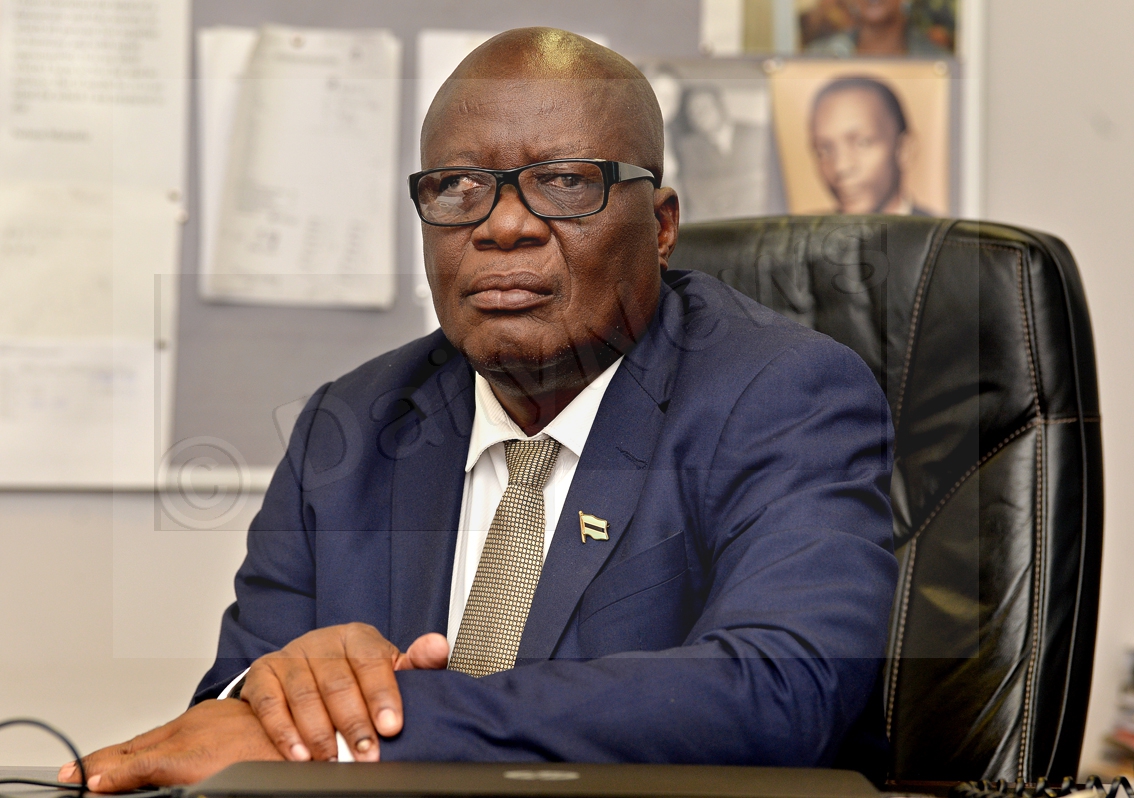
Among those is the current Director of Public Prosecutions and her superior, Mr Kgosietsile Ngakayagae, whom they have stood in opposing axis in the courtroom, and her passion and poise were palpable.
“She is not an officer of the court, she is a human rights activist,” one senior attorney remarked as she vehemently opposed bail in the State vs Selolwane case, where the accused allegedly assaulted a 13-year-old girl and paid a cover-up to the girl’s mother.
Born in Tonota on the outskirts of Francistown in the Senwamadi family, the young Ms Ookeditse grew up thinking of being a teacher, a police officer, or a nurse.
But all changed when the Botswana General Certificate of Secondary Education results were released, and something within counselled her to apply for a Bachelor of Laws at the University of Botswana.
As she navigated lecture rooms between 2003 and 2009, Ms Ookeditse fell in love with justice and equity, thus perfecting her newfound craft.
It was, however, not without challenge as she had to watch her colleagues graduate in 2008, while she had to go back to school for a retake module, and graduate a year later.
Two months after completing her studies, she was called by the Directorate of Public Service Management, offering her a position as a State Counsel within the Attorney General’s Chambers, thus being deployed at the Directorate of Public Prosecution was not her initial destiny.
“We were told that there was no space in Attorney General Chambers and were to wait at the DPP,” and that wait had been for 17 years now, and she had moved up the ladder to be a Principal Prosecution Counsel and crisscrossing across courtrooms in search of justice.
Among those she found at DPP and provided mentorship was the DPP director, Mr Ngakayagae, and deputy director of the Directorate on Corruption and Economic Crime, Mr Thabo Malambane, among others.
She dealt mostly in cases against a person, which involved defilement, rape, robbery, and murder.
When her unit was disbanded, she found herself under the Sexual Offence Unit and later homicides, which include murder, manslaughter, robbery, and assaults.
“I still do rape cases because I was with the Sexual Offence Unit,” she explained.
Of all the cases, Ms Ookeditse believes rape victims were misunderstood and were often subjected to social stereotypes and victimised for what had befallen them.
“In most cases, people do not believe them, they are doubted, and their credibility is always questioned,” she said.
Thus, when faced with such a victim, her tactic is simple. To sit down with the victim to try to understand them, assess the evidence, before presenting it before the court.
“As people, there are standards we have set for rape victims. People believe that for you to be raped, you must behave in a certain way. They will ask, why did you not scream? Why do you report late?” Adding that such shows that society lacks understanding of rape. Over the years, she has matured to understand that rape is a demeaning, dehumanising, and traumatic encounter that shatters the victim, sometimes even making it difficult for them to report.
The society’s lack of understanding of rape is evidenced by the State versus Goitsekgosi Mojadigo case, in which consent was obtained by deception, and the culprit was sentenced to 20 years’ imprisonment.
She has handled cases involving serial rapist Tshepiso Letsididi, who was convicted in Mochudi and Mogoditshane Magistrate’s Court for raping minor children.
Ms Ookeditse’s desk is also seized with murder cases, and what motivates her in such cases is that she has to represent the deceased.
“When I get a murder case, I know I am the only voice of the victim. It is an opportunity for the victim to tell their story through me,” she said, adding that the more graphic description of the scene, the more aggravating it is to get the accused not to escape punishment.
In all her cases, she has devised a strategy to have victims present in court whenever possible and such is to afford them an opportunity to see how she fights on their corners, and the more they come, the more it inspires her to put up a fierce fight.
“Some of the victims will even feel sorry for me when the case does not go our way,” she said, which showed how they appreciate the efforts.
As for the victims and accused persons, her tactic is to afford them respect but not to fear them, and she will not budge under intimidation.
In fact, there is a case in which an accused person wrote to the Director of Public Prosecutions that Ms Ookeditse should not handle her cases, and upon assessment of the request with her superior, it was resolved that the accused had not made any case and does not even have the right to cherry-pick prosecutors.
Although there had not been many cases of prosecutors being attacked, she believes more efforts should be made to protect prosecutors.
More often, she said she has met with people she prosecuted after having served their sentences, and they would often just greet each other and pass.
“The other job of a prosecutor is that you are an officer of the court; it is your duty to ensure that justice is done, to ensure that even accused persons receive a fair trial. We are not persecutors; we are prosecutors,” she said.
Noting that their role is also to assist the court to balance the right of the victim and of the accused person, adding that in a poorly adjudicated case, the accused could be freed on appeal, thus the need to strike a balance. In her legal journey, Ms Ookeditse believes cases involving children should be sped up, adding that withdrawal of cases of abuse by women was a grievous concern, as compelling them to give evidence would not yield much.
In her opinion, the government should consider having a fund to assist women and children who are victims of crime, so that even if they lose a provider, there would be a fund to assist them.
As a mother, wife, daughter, and prosecutor, Ms Ookeditse finds striking a work-life balance key, noting that her family has been supportive.
“The rewarding part of my career is seeing justice done, and when it is done for a child and woman, it is the sweetest thing,” she said, cautioning that sometimes the court, the media and judicial officers re-victimise victims. ENDS
Source : BOPA
Author : Bonang Masolotate
Location : Gaborone
Event : Interview
Date : 30 Mar 2026
Related News
08 Oct 2026