


e-procurement system game changer
18 Mar 2026
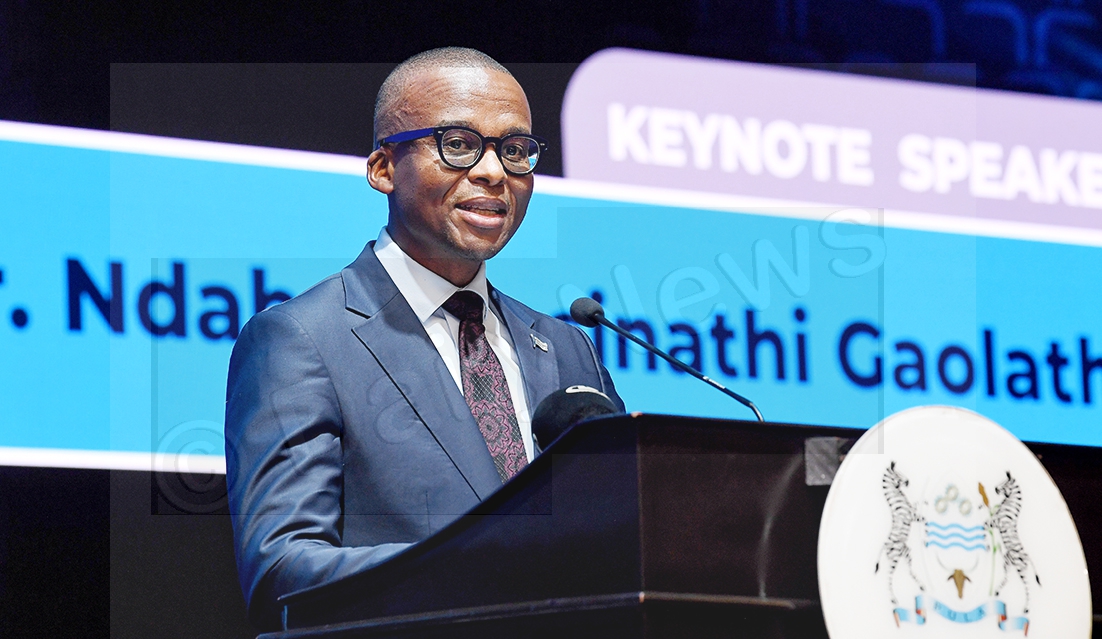
The national e-procurement system will serve as a safeguard against waste, a generator of real-time intelligence and a strong defence against corruption, says Vice President Ndaba Gaolathe.
Addressing the inaugural two-day National Procurement Pitso in Gaborone on Tuesday, Mr Gaolathe, who is also, Minister of Finance therefore reiterated government’s commitment to the development of the national e-procurement system by 2027.
He said centralising procurement information would strengthen oversight, improve decision-making and build a system that was efficient, transparent and sustainable.
“We must be honest about the hurdles. We know that our legacy systems and capacity constraints exist, but we are committed to overcoming them,” he said.
He added that the world’s most transparent procurement systems ran all tender stages on a single digital platform where bids, evaluations and contract awards were publicly visible in real time.
Citing international best practice, he said Georgia had implemented a fully electronic system administered by its State Procurement Agency, integrating digital bidding, open access to tender information and market analysis to promote transparency, competition and public confidence.
The Vice President further said linking procurement data to anti-money laundering frameworks would protect public funds and reinforce Botswana’s commitment to international financial integrity standards.
He emphasised that the success of an e-procurement system depended not only on technology, but also on a clear and robust governance framework.
Meanwhile, Chief Executive Officer of the Public Procurement Regulatory Authority, Ms Tumelo Motsumi, said procuring entities awarded 78,800 tenders valued at P33.5 billion during the 2024/2025 financial year, reflected the dynamism of the procurement ecosystem and its significant share of the national budget.
“It vividly underscores procurement’s vital role in driving infrastructure, services and ultimately economic growth,” she said.
Ms Motsumi noted that the expenditure aligned with global trends, where public procurement accounted for an average of 12.7 per cent of Gross Domestic Product across Organisation for Economic Co-operation and Development (OECD) countries.
She said Botswana’s procurement stood at 12.4 per cent of GDP, equivalent to P33.5 billion, adding that it remained a key tool for inclusive growth and citizen empowerment.
She highlighted that citizen-owned companies, including those ran by youth, women and persons with disabilities, were awarded contracts worth P8.7 billion, 36 per cent of the total surpassing the 20 per cent target set under the local procurement scheme.
The CEO said the achievement aligned with the goals of National Development Plan 10 and the African Union’s Agenda 2063, both of which emphasised inclusive growth, gender equality and youth empowerment.
However, she acknowledged ongoing challenges, including the lack of professionalisation within the procurement cadre and system.
Ms Motsumi said these gaps contributed to weak compliance monitoring, as the authority lacked real-time data on procurement transactions.
“Monitoring the progression of procurement from one stage to another is also a great challenge, as a transaction can remain at one stage without the authority noticing and intervening. Hence, we have delays in project execution,” she said. END
Source : BOPA
Author : Gontle Merafhe
Location : Gaborone
Event : National Procurement Pitso
Date : 18 Mar 2026
Related News


10 Oct 2026
Feature Reliving the Long March 90 years on

09 Oct 2026