Hunting Quota To Address Human-Lion Conflict
16 Mar 2026
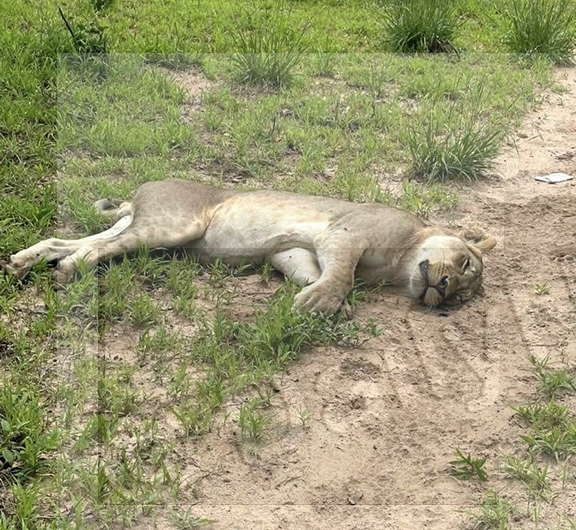
Government has introduced an experimental spatial lion hunting quota as part of efforts to address the growing human-lion conflict in Botswana.
The experimental hunting quota, which allocates nine lions across the country, forms part of broader efforts to balance biodiversity conservation with the livelihoods of communities living alongside wildlife. The initiative is also expected to generate resources that would support conflict mitigation initiatives in affected areas.
This came to light during the Lion Conservation Strategy and Action Plan (2026–2036) workshop in Maun, where the Department of Wildlife and National Parks, principal wildlife officer, Mr Kenosi Nkape, said increasing incidents of livestock predation had resulted in retaliatory killings of lions, particularly in areas where farmers suffered repeated losses.
Lions remain among the predators responsible for a significant proportion of human-wildlife conflict incidents in Botswana, posing challenges for communities whose livelihoods depend on livestock farming.
Botswana University of Agriculture and Natural Resources conservation biologist, Mr Gosiame Mahupeleng, said human-lion conflict continued to pose a major conservation challenge and called for more research to identify practical coexistence strategies.
“Understanding the drivers of conflict would assist in developing effective mitigation measures and improving long-term conservation planning,” he said.
Conservation of Natural Ecosystems Trust conservation director, Dr Robynne Kotze, highlighted that Botswana’s lion population had declined from about 3,500 in 2015 to approximately 2,800, noting that monitoring wildlife populations across the country remained difficult due to limited research resources and the vastness of the landscape.
He recommended increased capacity building for research students and conservation practitioners to strengthen scientific monitoring and support strategic wildlife management.
Representing farmers, Hainaveld farmers associate, Mr Kealeboga, Tudor welcomed the introduction of the experimental hunting quota, saying farmers in wildlife areas continued to incur significant livestock losses while retaliatory killings of lions also threatened the ecosystem.
“Our proposal is that funds generated from the quota could assist in erecting border fences between Ngamiland, Central and Ghanzi districts to regulate animal movement and reduce the spread of diseases and potential killings,” he said.
He added that the funds could also be used to support farmer education workshops aimed at promoting improved livestock protection methods and coexistence with wildlife.
Xwiskurusa Trust chairperson, Mr Onosi Dithapo, emphasised the importance of collaboration between government and communities in addressing human-wildlife conflict.
He noted that low compensation for livestock losses often left farmers frustrated and sometimes forced them to resort to killing lions to avoid further losses.
“The estimated P300,000 - P500,000 revenue from the lion hunting quota will help communities to strengthen or erect strong kraals inaccessible to lions and other predators hence reducing conflict,” he said.
Meanwhile, in Kgalagadi District, approximately 200 lions were killed over a two-year period while lions claimed 289 livestock, highlighting the escalating human-wildlife conflict that threatens the ecosystem. BOPA
Source : BOPA
Author : Gaolethoo Kgatitswe
Location : Maun
Event : Workshop
Date : 16 Mar 2026
Related News

12 Oct 2026



10 Oct 2026