


Grey hair another natural variation of human story
16 Feb 2026
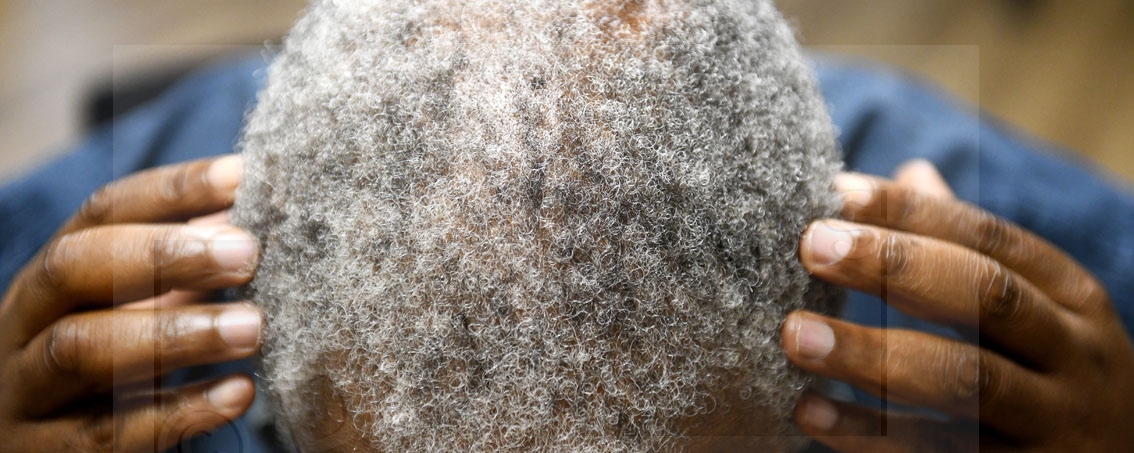
According to the National Institutes of Health (NIH), hair turns grey when melanocytes, the stem cells responsible for producing melanin, the pigment that gives hair its colour are depleted or stop functioning properly. While this is a natural part of ageing, premature greying challenges long-held assumptions about when and why hair loses its colour.
In Botswana’s traditional beliefs, early greying has not always been viewed negatively. An elderly woman, who requested anonymity, recalled that in earlier times, grey hair in young people was sometimes interpreted as a sign of future prosperity and good fortune, much like the white spots once believed to appear on children’s nails as omens of luck. She added that families also recognised that premature greying often ran in families.
On the other hand, modern medicine offers a more detailed explanation. Lifestyle medicine practitioner Dr Lebogang Sebekedi explained that premature greying, medically known as premature canities could appear as early as 20 to 25 years among Caucasians, 25 to 30 years in people of Asian descent, and between 30 and 35 years among Africans. In rare cases, even teenagers may experience early greying, depending on their genetic background.
Dr Sebekedi attributed premature greying to several lifestyle-related factors, including chronic psychological stress. He explained that when the body is under stress, it released norepinephrine, a chemical that could travel to hair follicles and interfere with melanin-producing cells, accelerating the greying process.
He also said nutrition also played a critical role as deficiencies in vitamins and minerals such as vitamin B3, B12, ferritin, copper, biotin and folate had been linked to premature greying. These nutrients are essential for maintaining healthy, pigmented hair and are found in foods such as beef liver, poultry, fish, nuts, leafy green vegetables, milk and eggs.
Urban living brings additional risks. Dr Sebekedi pointed to environmental oxidative stress from air pollution and excessive exposure to ultraviolet (UV) rays as factors that may damage pigment-producing cells. He also raised concern over lifestyle trends among young people, including vaping and smoking, noting that smoking reduced blood flow to hair follicles, depriving them of oxygen and nutrients needed for healthy hair growth.
For some, the cause lies deep within their DNA through genetic mutations that affect melanin production and can result in visible grey hairs even in adolescence. One rare example is autosomal dominant premature greying syndrome, an inherited condition in which hair turns grey unusually early and may be triggered by oxidative stress.
Everyday habits may also be quietly contributing including crash dieting, chronic sleep deprivation, and frequent use of hair bleaches, very hot water and harsh shampoos that strip the scalp of natural oils can weaken hair health and speed up pigment loss.
While currently, greying linked to ageing and genetics was irreversible, Dr Sebekedi said greying caused by nutritional deficiencies may, in some cases, be reversed, with deficiencies such as vitamin B3, B12 and copper, some reports show repigmentation within six months to a year once levels were corrected.
Beyond medicine, attitudes toward grey hair are also changing. Once widely seen as something to hide, grey hair has become a symbol of confidence and individuality. K-pop idols and Hollywood stars such as Halle Berry, Salma Hayek and Tracee Ellis Ross have embraced their natural silver strands, helping to redefine grey hair as fashionable rather than flawed.
For those tempted to pluck out unwanted grey hairs, Dr Sebekedi offered a word of caution. “If that is not convincing though, I highly discourage against pulling out grey hair because if you do, it will damage follicles and can lead to scarring and distorted regrowth,” he said adding, that pulling out grey hair does not make seven more grow back.
For many young people, premature greying can be a source of anxiety or embarrassment. Yet as science continues to uncover its causes and as society grows more accepting of silver strands early greying may increasingly be seen not as a flaw, but as another natural variation of the human story. ENDS
Source : BOPA
Author : Benita Magopane
Location : Gaborone
Event : Interview
Date : 16 Feb 2026
Related News

12 Oct 2026



12 Oct 2026
Mmirwa walks for a good cause
12 Oct 2026