


National policy on gender must be inclusive
09 Mar 2026
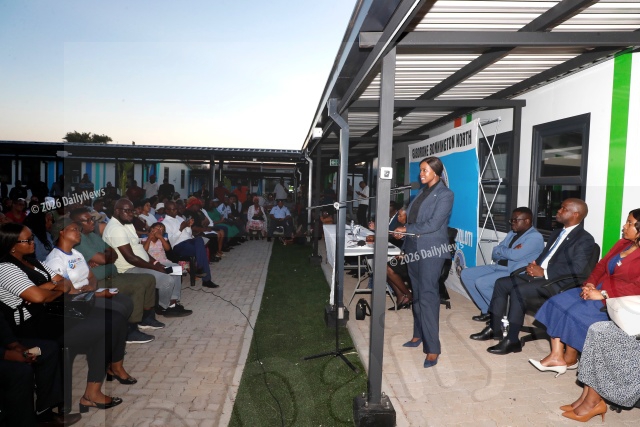
Some stakeholders have proposed that the envisaged National Policy on Gender and Development (NPGAD) must integrate the needs of a boy-child and persons with disabilities to address the discrimination that often leaves them marginalised in education and health among others.
The observation was that the current policy prioritise women, a girl-child and aligns with evolving societal needs and international commitments, living behind the boy-child and persons with disabilities, hence critical for the new policy to ensure gender equality.
Making submissions during a stakeholder consultation for the NPGAD evaluation recently, some participants suggested that the policy should also emphasise on proper parenting for both the boy and girl to enjoy equal opportunities.
“The new policy must promote gender equality in all sectors of society as the current one had neglected people with disabilities as they continue to face challenges, discrimination and barriers restricting their meaningful inclusion,” said Ms Olorato Diile, an activist for people living with disabilities.
While Sustainable Development Goals aims for inclusivity, Ms Diile said people with disabilities were often left behind in policy formulation. She said the majority were economically challenged and did not have adequate access to basic needs such as shelter and food among others.
In addition, Ms Diile said children with disabilities were often excluded from educational policies resulting in lower school attendance and learning outcomes.
“It is disturbing as some parents still hide their children’s condition due to stigma and I propose that the envisaged policy must foster understanding to ensure these children receive proper care without fear of being treated differently," she said.
“Disability is still viewed through the lens of shame and pity rather than as natural part of human diversity and this lack of awareness creates a ripple effect that impacts everything from family acceptance to community support.”
Kgosi Constance Matlhare of Disana ward also appreciated that the current policy had significantly brought a lot of changes citing empowerment of women and a girl-child. Kgosi Matlhare said most women had been elevated to high positions with decision making roles, while some assumed the Bogosi roles, which was a taboo and a male reserve in the past.
Women sector coordinator from Department of Gender Affairs, Mr Kabelo Tsiang said the aim of the stakeholder engagement was to solicit ideas and eventually develop a policy that served the needs and aspiration of Batswana.
Mr Tsiang said the current policy was developed in 2015. He noted that it did not address emerging issues hence the need for a review to identify gaps, ensure its relevance, effectiveness and address persistent gender inequalities. BOPA
Source : BOPA
Author : Esther Mmolai
Location : Maun
Event : Consultative meeting
Date : 09 Mar 2026
Related News


10 Oct 2026
Feature Reliving the Long March 90 years on

09 Oct 2026