


Botswana Autism community calls for urgent reform
22 Apr 2026
Government leaders have been urged to redefine disability policies and prioritise autism awareness as a national issue on par with economic development and public safety.
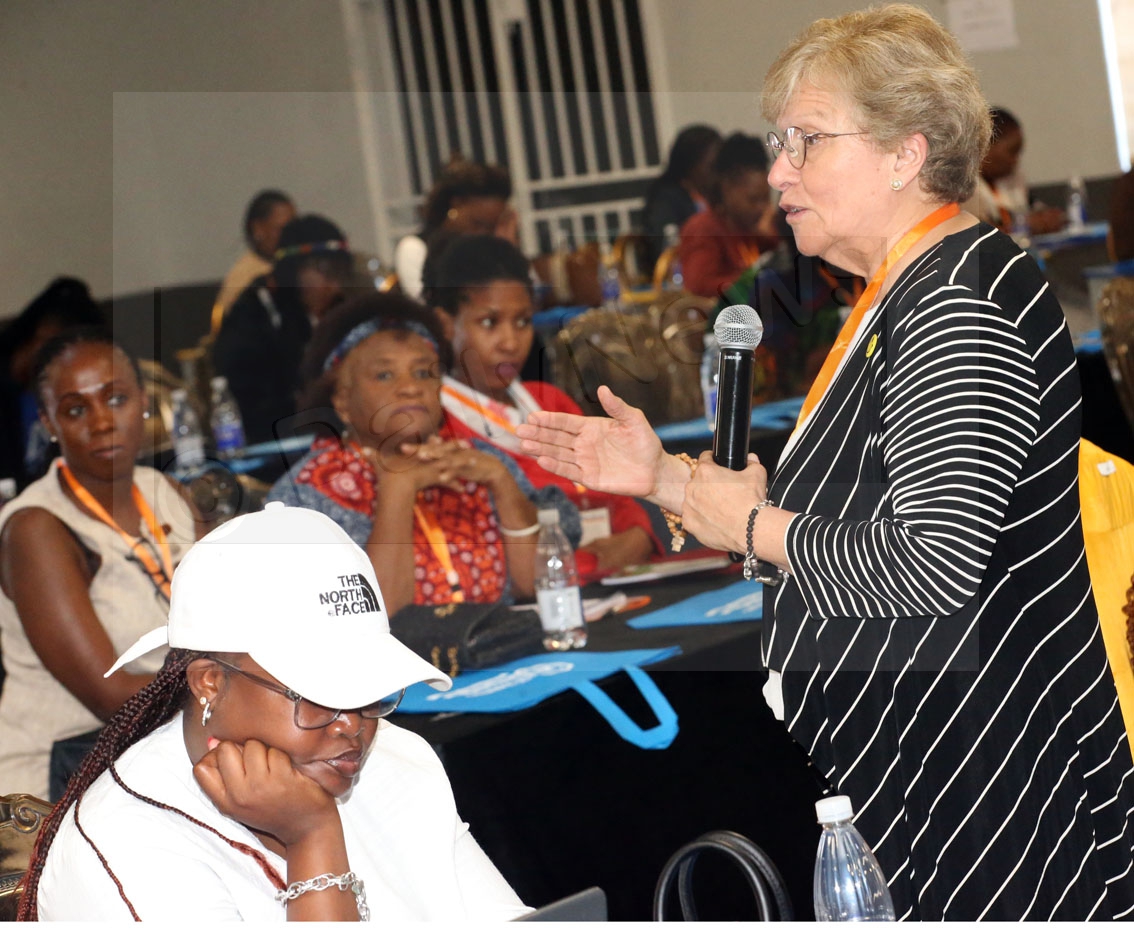
Addressing a recent Pan-African Conference on Autism in Gaborone, Mr Kgosi Tau emphasised that only through systemic change could Botswana ensure that no community was left behind.
“The time for awareness has passed, now is the time for action,” Tau, a 21-year-old, who was diagnosed with autism at the age of four. On one hand, Tau may have cleared his A-Levels with over 40 points, but he refuses to let his success be used as a simple feel-good story.
He said his academic milestones were only made possible by years of intense therapy and private schooling. He said resources remained a ‘costly luxury’ out of reach for the average Motswana family.
Mr Tau ignited renewed conversation on inclusion and policy reform by reframing his journey.
Instead of a standard victory narrative, he emphasised the significant financial strain and specialised support that underpinned his achievements.
While he credited institutions such as Thornhill Primary School and Maru-A-Pula School for providing inclusive environments, he acknowledged that such elite opportunities remained a dream for many.
The reality, he said, was that behind every milestone were “intense and costly challenges,” often invisible to the public eye.
He argued that his experience highlighted a stark disparity in Botswana, where access to quality support systems remained limited and prohibitively expensive.
Central to his address was lack of government recognition for neurodivergent conditions within existing disability frameworks.
He pointed out that current policies tended to prioritise physical disabilities, leaving many autistic individuals without access to essential financial aid and educational support.
“This is not just a policy gap, it is a systemic oversight that affects thousands of families,” he said.
Beyond the legislative technicalities, Mr Tau spoke about the emotional and financial toll on parents and caregivers.
He cited the hidden struggles of mental exhaustion and social isolation that came with providing specialised care in a system that offered little to no safety net. “Parents are breaking silently,” he said.
The young advocate also challenged societal perceptions, noting widespread lack of understanding and persistence of misinformation.
This stigma, he said, continued to marginalise neurodivergent individuals, particularly in public schools where resources and teacher training were often insufficient. Despite such hurdles, Mr Tau shared a vision for a more inclusive Botswana, a place where neurodivergent individuals were empowered to contribute meaningfully to society.
Sharing his personal ambition, he revealed hopes of establishing a world-class film and television production company to showcase local stories on a global stage.ENDS
Source : BOPA
Author : Lesedi Thatayamodimo
Location : Gaborone
Event : Conference
Date : 22 Apr 2026
Related News


10 Oct 2026
Feature Reliving the Long March 90 years on


09 Oct 2026