


Inefficient healthcare system impacts on reproductive health rights
02 Feb 2026
Botswana’s inefficient and corruption in the public healthcare system is hindering progress in Sexual and Reproductive Health and Rights.
The country is spending more per capita on health and education than its peers, but achieving poor outcomes, says Speaker of the National Assembly, Mr Dithapelo Keorapetse.
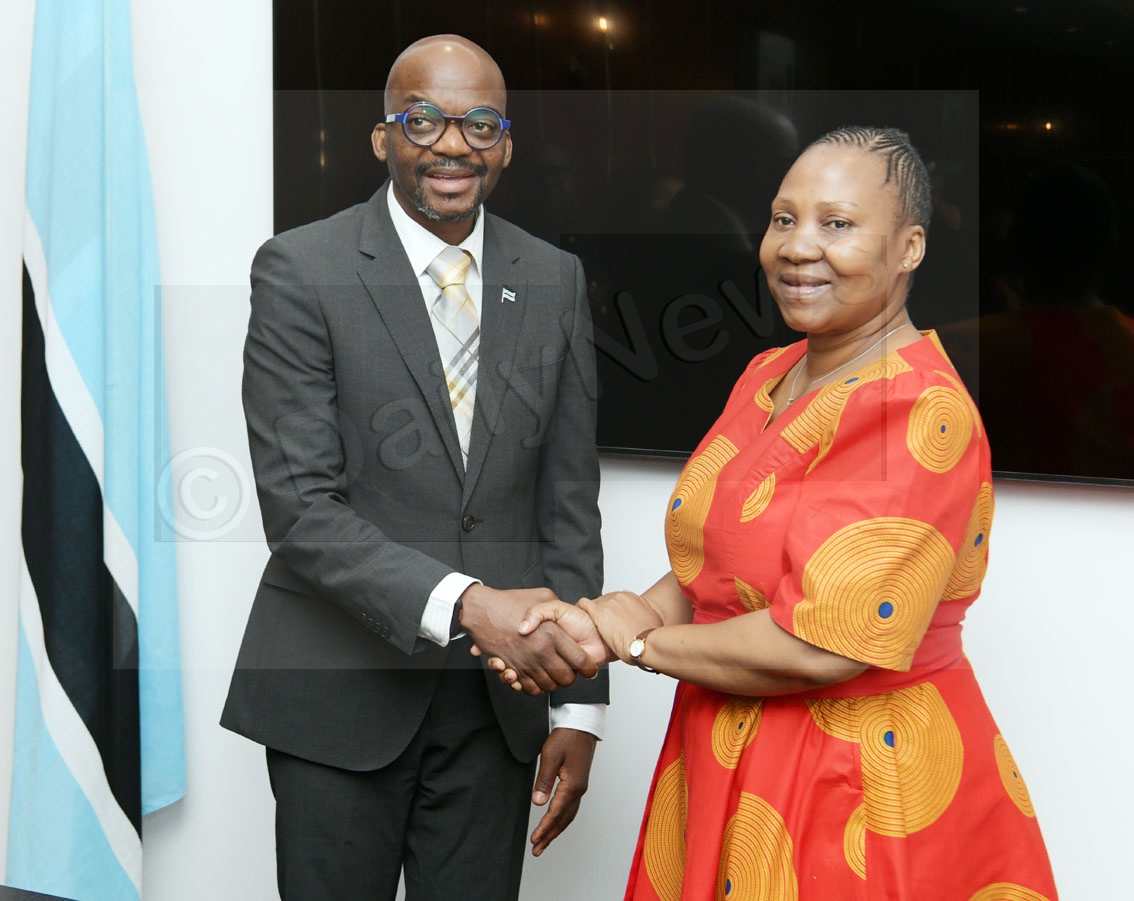
Mr Keorapetse was receiving a delegation from the SADC Parliamentary Forum led by General Secretary Ms Boemo Sekgoma in Gaborone recently. The delegation is in the country ahead of the launch of the Sexual and Reproductive Health and Rights (SRHR) Project Plan.
“…Unlike here, where we spend more per capita, the outcomes are such that when a patient goes to a hospital, chances of them seeing a doctor are slim,” Mr Keorapetse said, noting that such had implications on the sexual and reproductive health rights.
He said to demonstrate collaborative efforts in the scaling up of the integration of sexual and reproductive health rights in the healthcare system, the government had a partnership with UNFPA.
This collaboration aims to expand access to a comprehensive range of quality, client-centered services in the success of programmes that support sexual and reproductive health rights outcomes.
Mr Keorapetse said between 2018 and 2021, UNFPA invested substantially in the country to advance youth empowerment, particularly for adolescent adults.
He said this was done by expanding global access to sexual and reproductive health rights services and information, while supporting government-led policy development and programme implementation.
Furthermore, Mr Keorapetse said the country was facing challenges coupled with inefficiencies in the public health system, noting that the country was experiencing problems of shortage of drugs and other important equipment and materials.
He further noted that President Advocate Duma Boko had taken the matter seriously and at one point declared a state of public health emergency, visited public health facilities and started making directives to speed up solving the situation.
SADC Parliamentary Forum General Secretary Ms Sekgoma and her delegation, who visited ahead of the launch of the SRHR Project Plan, said the visit comes at a critical stage of the project aimed at supporting and strengthening the institutional capacity of the Parliament of Botswana to effectively roll out the project.
She said the project would help in putting systems in place to assist Parliament to accelerate some of the promises made.
Ms Sekgoma also stressed the need to capacitate Parliament staff members, saying they were the backbone of a functional Parliament.
Prior to meeting with the Speaker of the National Assembly, the SADC PF delegation met with the Clerk of the National Assembly, Dr Gabriel Malebang, where they discussed SRHR project operationalisation and the role of Parliament in its implementation.
Dr Malebang noted that although the project had been ongoing and Parliament had been aware of SRHR issues, it was crucial to consolidate its components, further noting that there was a need to build the capacity of members of Parliament so as to make policies which are inclusive.
Further noting that issues of gender and human rights cut across various spheres of life, hence they had found their way into Parliament. ENDS
Source : BOPA
Author : Bonang Masolotate
Location : Gaborone
Event : Courtesy call
Date : 02 Feb 2026
Related News



10 Oct 2026
Feature Reliving the Long March 90 years on


09 Oct 2026