Life expectancy increases
11 Dec 2013
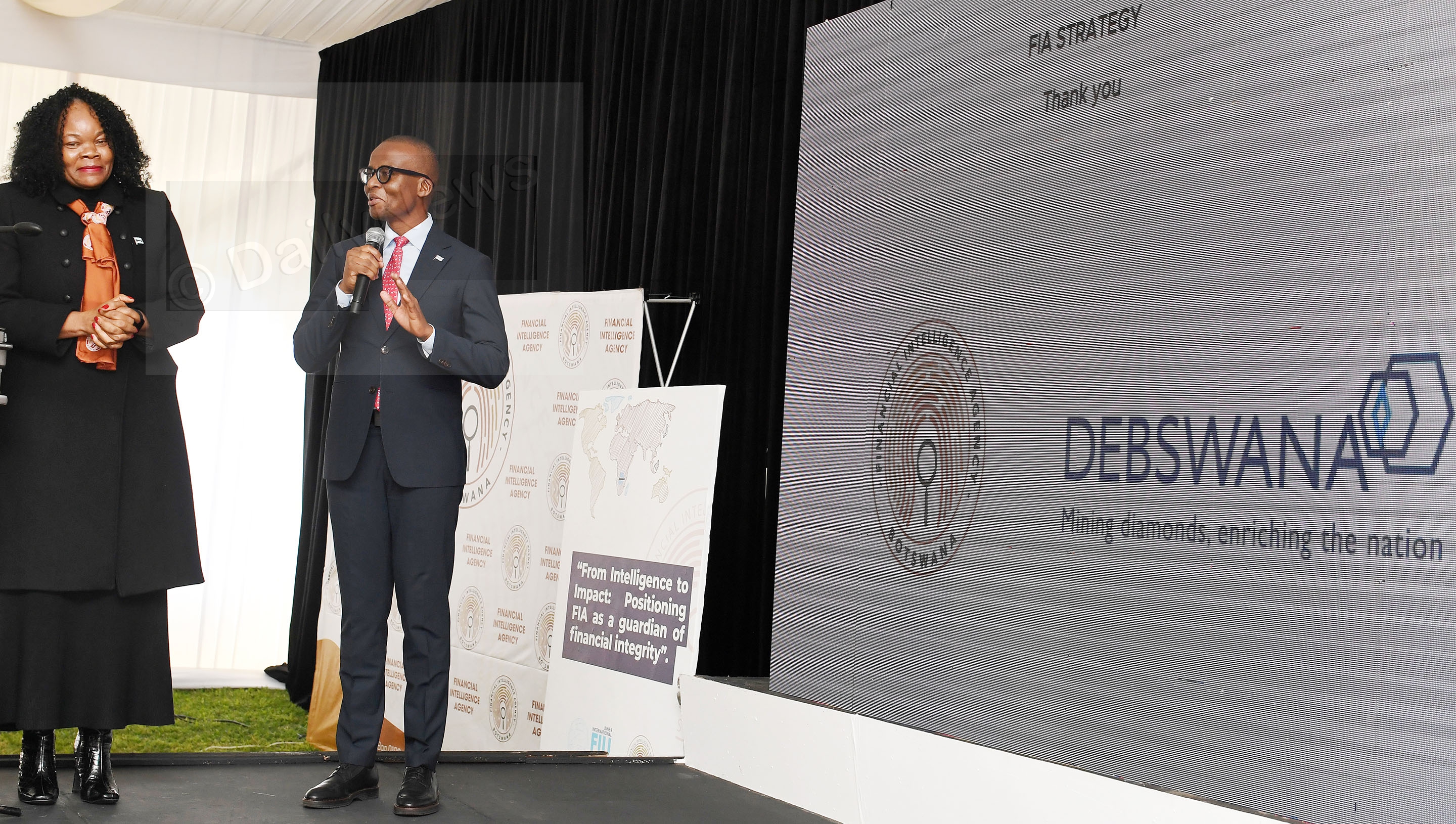
Life expectancy at birth has increased from 56 to 68 years between 2001 and 2011, says the Secretary for Economic and Financial policy, Dr Taufila Nyamadzabo.
Speaking on behalf of the Assistant Minister of Finance and Development Planning at the 2011 Population and housing census dissemination conference, Dr Nyamadzabo noted that life expectancy is marginally higher by three years than in the 1991 level.
Dr Nyamadzabo said the 2011 Population and Housing Census results showed some positive trends on a number of socio-economic spheres such as a decline of infant mortality rate from 56 to 27 deaths per one thousand life births during the period 2001 and 2011.
He noted that, “Judging by our performance against the best in class, we still have a long way to go to match developed country levels of around 2 deaths per 1000 live births.” Crude death rate, he said also dropped from 12.4 to 6.6 deaths per 1000 population
Dr Nyamadzabo noted that fertility trends have also declined over time, noting that the average number of children that would be born to a woman during her reproductive life if she were to experience the prevailing age-specific fertility rates, declined from 3.2 to 2.7 children per woman between the two censuses.
He observed that tracking the trend over the past three decades shows Total Fertility Rate (TFR) of 6.6, 5.2, 3.2 and 2.7 children per woman, respectively for the last four censuses.
Furthermore, he said there are 47 urban villages in Botswana, an increase of twenty villages over the 2001 list, adding that in essence more and more areas of Botswana are becoming urbanised.
Dr Nyamadzabo said 64 per cent of the population now lives in urban areas compared to 54.2 per cent observed in the 2001 census. “This trend certainly says something about Batswana’s trend reduced participation in agricultural activities and, more fundamentally, the resultant lower contribution of the sector to the economy,” he said.
On the economic activity, he said, the census results yielded an unemployment rate of 19.6 per cent for the population aged 18 years and above, noting that the results corroborate high levels of unemployment among the youth. Dr Nyamadzabo stated that the figures add to those calling for concerted efforts at employment creation.
Botswana’s middle income status based on the country’s per capita income has profound implications on funding eligibility by development partners. He said gaps still exist in technical capacity in a few areas, such as conducting, analyzing a population and housing census is one such area.
The statistician general, Ms Annah Majelantle stated that population and housing census play a pivotal role as a catalyst in evidence based decision making, both at programme and policy level.
The major objectives of population and housing census are provision of data for constituency delimitation as stated on section 64 of Botswana’s constitution, provision of information on demographic, social and economic status for local, district and national planning purposes.
The purpose of the census dissemination seminar, she said was to increase access to statistical information and encourage maximum use of the same. Ms Majelantle said the seminar was meant to evaluate the results and come up with recommendations that would enable further data quality assurance and relevance.
For her part, UNFPA country representative Ms Aisha Camara-Drammeh noted that population data is a critical planning tool which guides investment decision on for instance, the number of schools required, clinics and roads among others.
Ms Cammara-Drammeh said data that is sorted by gender and age could foster increased responsiveness by national decision-makers to the rights and needs of women and youth as well as help build a more equitable and a prosperous society. ENDS
Source : BOPA
Author : Thandy Tebogo
Location : GABORONE
Event : Conference
Date : 11 Dec 2013
Related News
10 Jun 2026

10 Jun 2026
Govt secures more medical supplies
10 Jun 2026