UN Botswana unite to achieve Vision 2016
11 Dec 2013
The United Nations is working with the Botswana government to build human and institutional capacity necessary to enable the country to achieve the objectives and aspirations of Vision 2016 through the United Nations Programme.
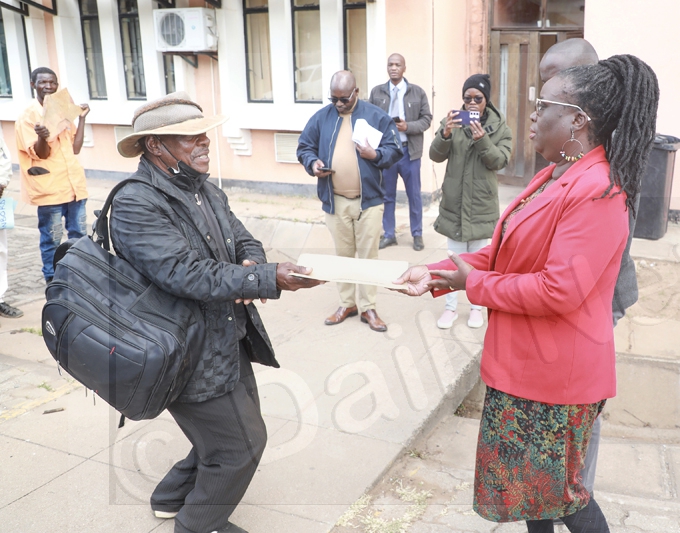
Senior assistant director from Directorate on Corruption and Economic Crime (DCEC), Ms Erica Ndlovu said during the International Anti-Corruption Day held in Maun. Ms Ndlovu said the UN programme seeks to support the country to meet Millennium Development Goals (MDGs) targets which address many dimensions of poverty by the year 2015.
Ms Ndlovu observed there has been a shift towards a multi- disciplinary but more integrated approach to anti-corruption in specific sectors such as health, water, education and climate change with a special focus and impact at the country level by UNDP.
She said amongst the many other contributions to the global anti-corruption effort by Botswana, the DCEC conducted assignment studies in all the above mentioned sectors except the one on climate change in the last ten years. Of recent, in the quest to rid the country of corruption, the Directorate submitted an expression of interest on Country Level Anti-Corruption Project in the health sector on August 31, 2013 to the UNDP’s headquarters in New York through collaboration with the local UNDP office.
“The expression of interest has been motivated by the fact that the health sector is fundamental to the welfare of the residents of any country”, she added.
Ms Ndlovu explained that Botswana’s national vision aims for a ‘compassionate, just and caring Nation by 2016’ and observed that transparency and accountability are widely recognised as crucial dimensions of democratic governance and essential to the health sector as well.
She said currently the health care system in Botswana is delivered through a decentralised model with primary health care being the pillar of the delivery system. Botswana has an extensive network of health facilities in district which are integrated within overall hospital services.
Ms Ndlovu said it was through the health facilities structures that a balance of preventative, promotion and rehabilitative health services as well as treatment and care of a common medical problem is achieved. Despite the extensive network of health facilities, the country has not achieved fully three of the eight MDGs which are specifically related to the health sector, she added.
She said the country faces the challenge of accelerating progress on the lagging MDGs in particular maternal and child health whilst that of combating diseases has been partly addressed. UNDP Human development report 2013 places Botswana above the regional average in Sub-Saharan Africa on its composite measure of the three basic dimensions of human development, being health, education and income, health attained the lowest ranking of the other two, she said.
Ms Ndlovu cited many challenges such as insufficient supplies of drugs, services and equipment, pilfering and diversion of public drugs, poor maintenance of medical equipment including lack of appropriate qualified health care workers which faced the health sector. Some areas had been identified as vulnerable to corruption such as drug licensing and regulation, procurement and distribution of drugs and medical supplies, licensing of practitioners and health insurance, said Ms Ndlovu.
She said interventions were being made to address the lagging three MDGs and the challenges besieging the health care sector as the government has over the years consistently allocated abundant resources to the Ministry of Health. ENDS
Source : BOPA
Author : Esther Mmolai
Location : MAUN
Event : International Anti-Corruption Day
Date : 11 Dec 2013
Related News
10 Jun 2026

10 Jun 2026
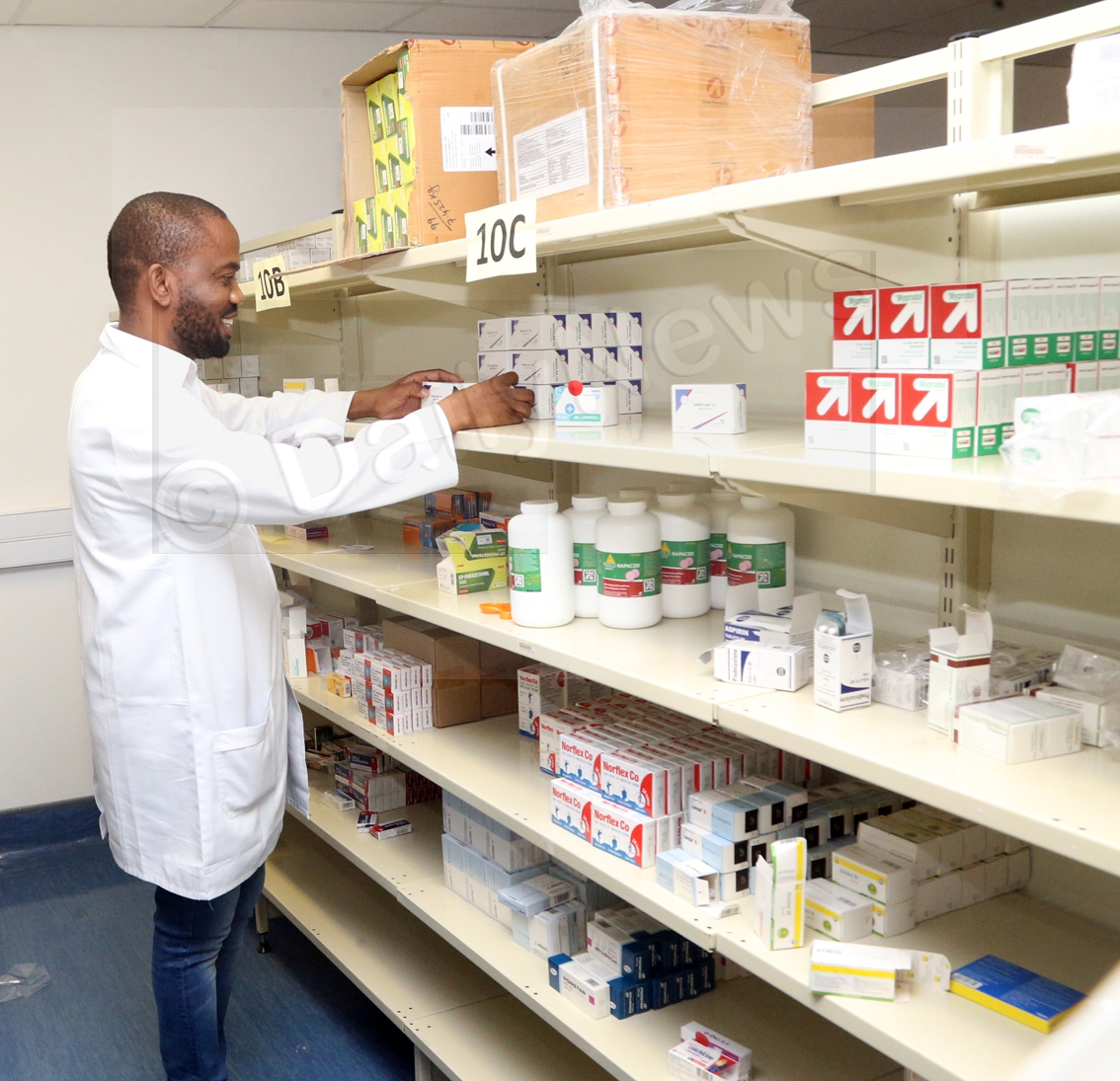
Govt secures more medical supplies
10 Jun 2026