


GPH introduces hearing improvement procedure
05 Oct 2022
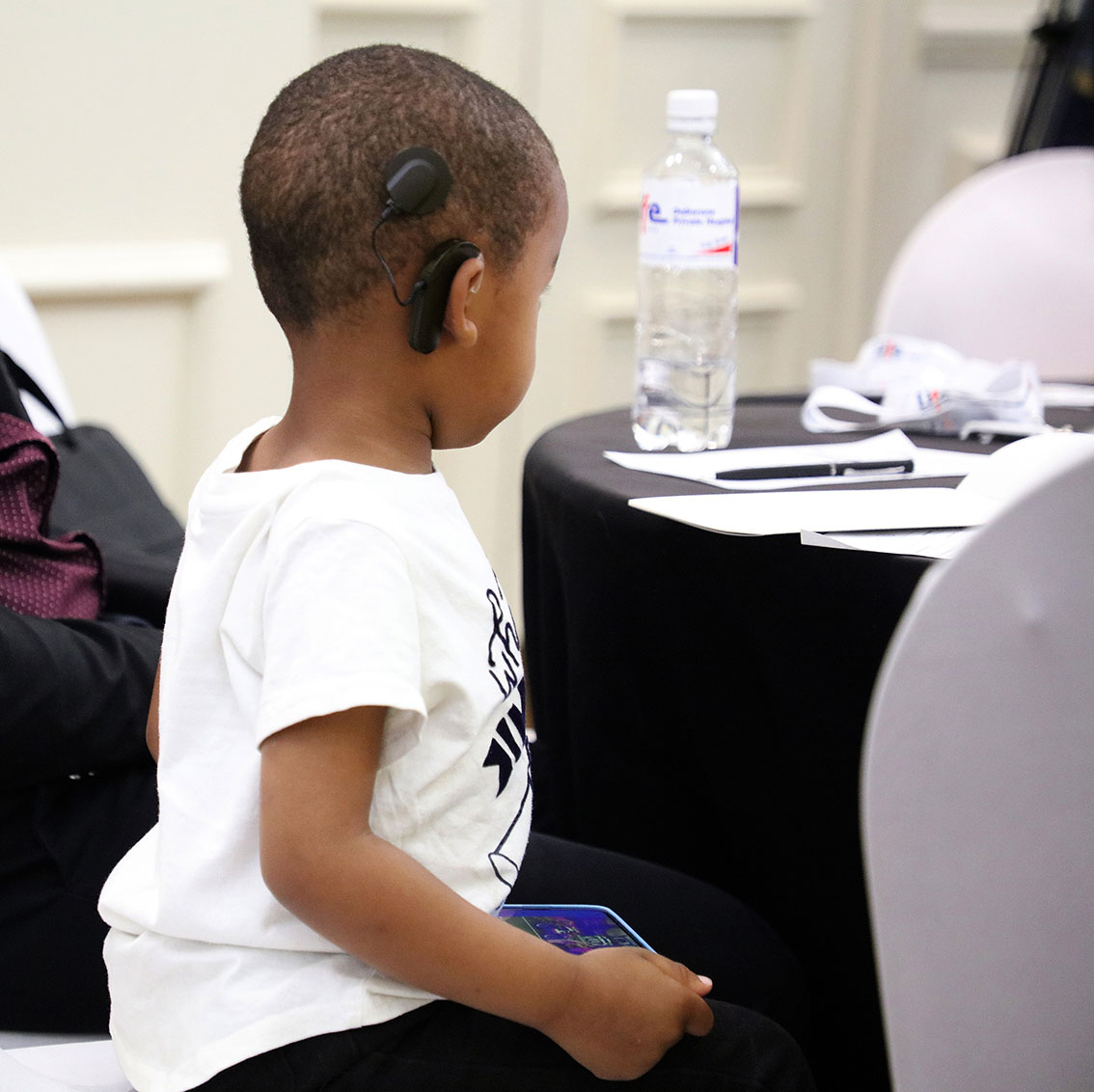
Life Gaborone Private Hospital (GPH), in partnership with Ministry of Health, has launched the first-ever cochlear implant procedure in Botswana following successful trials on four candidates in August.
A cochlear implant is an electronic device that improves hearing.
Speaking at the launch in Gaborone on Tuesday, GPH’s ear, nose and throat (ENT) specialist Dr Alakanani Zikhali confirmed that the life-changing procedure performed August 15 and 16 was successful for all the candidates.
“Everybody including the specialists was filled with joy and emotions upon the switching on of the device as the candidates got the opportunity to regain their hearing. The life-changing procedure will improve the quality of life of the recipients who endured years of living without a sense of hearing,” he said.
Dr Zikhali, who has undergone extensive training on the procedure with a practice called Audiomax in Zimbabwe, explained that the implant was an artificial replacement of a damaged inner ear known as the cochlea, responsible for sending sound signals to the brain.
“The procedure entails surgical insertion of a cochlea implant inside the ear and a battery-operated processor which is fitted on the outside and behind the ear. The implant transmits actual sound signals through electrodes and converts sounds into electrical impulses, which are interpreted by the brain,” he said.
According to Dr Zikhali, a cochlear implant differed from a hearing aid which only amplified sound while the former bypassed the candidate’s non-functioning inner ear and provided direct stimulation of the auditory nerve. The auditory nerve then transmits signals to the brain, which recognises them as sound.
Dr Zikhali said unlike hearing aids which were suited for people with mild to moderate hearing loss, a cochlear implant was ideal for people with profound hearing loss in both ears.
He said the implant could last a lifetime and required little to no maintenance while the battery-operated processor lasted five years.
The batteries were solar chargeable therefore low maintenance and convenient for individuals from all walks of life, said Dr Zikhali.
He encouraged early screening for children at six weeks old and noted that the procedure was easy for under fours.
Dr Zikhali called for collaboration between government and medical aid schemes to deliver health to Batswana.
One of the recipients, Ms Tamasane Montshopitsa, said hearing again made her feel part of conversations and better connected to family and friends.
“It gives me the confidence to learn new things at the age of 29,” she says.
Thirty-nine-year-old Mr Mogomotsi Kgari, who lost his hearing in 2016, is elated at being given a second chance.
Loss of hearing had isolated him from family and friends as he struggled to be part of their lives, he said. Ends
Source : BOPA
Author : Naomi Leepile
Location : Gaborone
Event : Launch
Date : 05 Oct 2022
Related News

03 Aug 2026
03 Aug 2026
Child Support Grant commences
03 Aug 2026
Taskforce assesses social protection programmes
03 Aug 2026
BCL liquidation costs near P2bn

03 Aug 2026