Most children with needs not back at school
19 Oct 2020
Most of the special educational needs and disabled (SEND) children are said to have not yet returned to school due to COVID-19.
A member of National Children’s Council (NCC) Ms Maleshwane Mauco told the media in Gaborone recently, that the impact of COVID-19 was likely to be worse for people in lower socio-economic groups, while children with disabilities faced an even greater risk of being left behind.
She said parents of children with special needs were concerned about sending their children back to school because they were medically vulnerable or because they could not adhere to social distancing and other safety protocols.
Ms Mauco gave the example of a parent of a reception child with special needs being told they could not attend because they would need to be reminded to wash their hands and put on their masks.
She also noted that there were long standing technical deficits like teaching/support staff capacity and infrastructural capacity, that were exacerbated by the COVID-19 pandemic regulations.
She said it was in the best interest of the children to be kept at home during this period, adding however that mechanisms to ensure that they continued learning while at home were supported.
Ms Mauco further noted that children with special needs required tailored made measures to ensure learning continues, while parents and care takers were taught parenting skills to avoid regression.
She noted that teaching must be adapted to accommodate children with various needs through scaffolding, a process of modelling or demonstrating how to solve a problem, then stepping back and offering support to a child as needed.
She said the right mechanisms for inclusive wash, nutrition, mental health and psychosocial support for children with disabilities and their families would also be provided.
Ms Mauco said NCC would monitor and coordinate the assessment of schools to ensure that protocols were adhered to, as well as basic training of teachers on COVID-19 protocols and structural improvements.
She urged parents to prioritise self-care and reach out to family members or friends when they needed support and also connect with others from the same school or even social media platforms.
Another member of NCC, Ms Linny Aaron said implementing continued educational opportunities for children with special needs required collaborative efforts from both parents and government.
She said such children were vulnerable to violence, abuse, exploitation and neglect during this pandemic.
Ms Aaron called for village protection committees to work with parents and other leaders to ensure children’s care, protection and wellbeing.
She said every village should have a Child Protection Committee under the leadership of the village level elected representative, to recommend and monitor the implementation of child protection services.
She said the committee should include two child representatives, social workers, school teachers, a nurse, as well as respected village members and civil society representatives. ENDS
Source : BOPA
Author : Naomi Leepile
Location : GABORONE
Event : Interview
Date : 19 Oct 2020
Related News
10 Aug 2026
10 Aug 2026
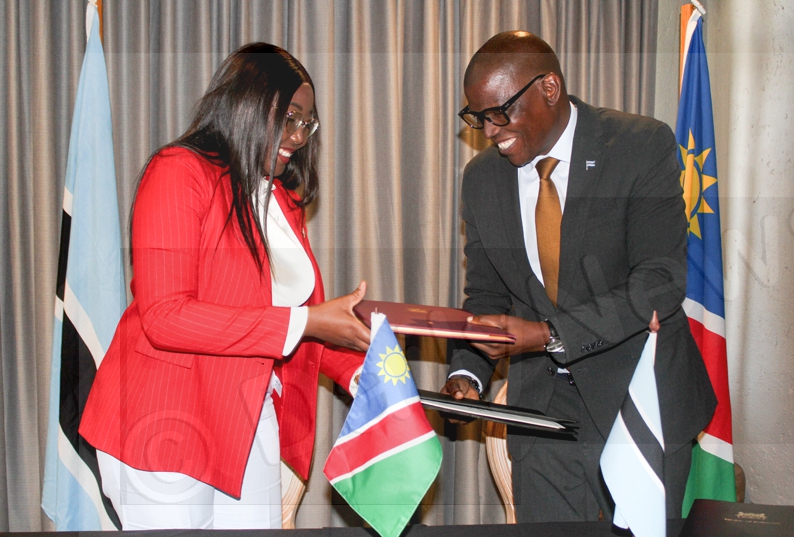
MoU to drive innovation and investment
10 Aug 2026
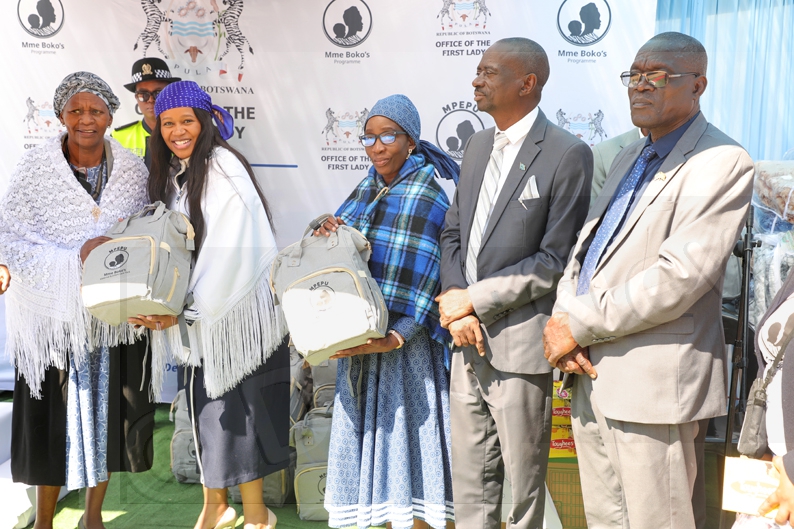
First Lady urges support for teenage mothers
10 Aug 2026
Gaolathe hails partnership for HIV response

10 Aug 2026