Visible gaps drain mental health of nation - activist
14 Oct 2020
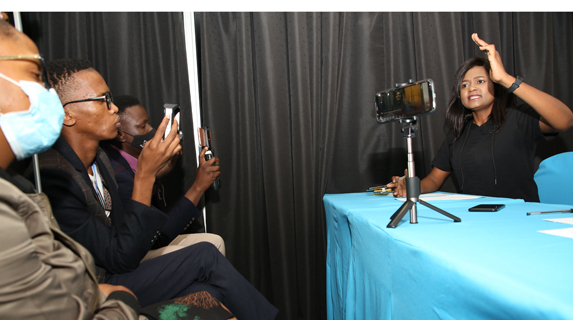
Although government has made recognisable efforts on mental health, there are still many visible gaps draining the mental health of the nation, Ms Charity Kennedy.
Briefing the media in Gaborone on October 13, the Botswana Network of Mental Health (BONMEH) founding executive director said there was still need to pay attention to detail on structures that could scale up mental health services for effective delivery.
She said there were surging numbers of suicides, gender-based violence, child abuse, adjustment disorders and anxiety or pre – existing mental health problems that had been exacerbated by the COVID-19 pandemic.
Ms Kennedy pointed out that limited resources remained a challenge noting there were no suicide hotlines, no national mental health promotion programmes for prevention, no policies on mental health in the work place as well as for adolescents and young people.
“There is also limited integration of mental health in the primary health care, which makes it more difficult to address it at that level,” she added.
She therefore called for the channeling of resources towards mental health programmes and the expediting of befitting policies and legislations.
Ms Kennedy said the Division of Mental Health should be upgraded to either a department or agency.
“There has been enough talk about mental health, it is now time to channel resources towards programs intended to address the issue,” she stated.
She noted that this year’s commemoration came amidst an international public health crisis caused by COVID-19 pandemic resulting in more calls to pay attention to mental health, with the hope that it would awaken humanity’s consciousness on the need to invest in mental health.
Ms Kennedy appealed to Batswana to take time to understand and appreciate factors around mental health and do away with stigma.
For her part, Valor Mental Health Organization secretary, Ms Tshepiso Rachata concurred that there was need for society, government and different organisation’s input in terms of funding.
She indicated that members were running the organisation from their own pockets which made it difficult to fulfil its mandate.
Ms Rachata also urged government to involve relevant organisations in policy formulation.
“You cannot speak on my behalf when you do not understand what I need and my experience, if some of us were involved, I believe effective policies were going to be formulated,” she said.
Founder and chairperson of Masego Mental Health Organisation, Mr Edward Masukudu said there was a lot of stigma against mental health patients as well as a lot of ignorance about the disorders.
He said the aim of his organisation was to sensitise society and help people living with bipolar.
Mr Masukudu said lack of funds was a barrier to carrying out daily operations and appealed to government, organisations as well as individuals to assist.
Project director at Home of Hope, a Francistown mental health care center, Mr Israel Magodi added his voice to appeals for financial support from government.
“If the government supports us, different stakeholders would also see the need to assist,” he added.
He said investing in mental health could also assist in reducing unemployment.
“Youth would be employed in our different projects,” he said.
This year’s World Mental Health Day was commemorated under the theme “Mental Health for All: Greater Investment Greater Access.” ends
Source : BOPA
Author : Thato Modiakgotla
Location : GABORONE
Event : media brief
Date : 14 Oct 2020
Related News
10 Aug 2026
10 Aug 2026
MoU to drive innovation and investment
10 Aug 2026
First Lady urges support for teenage mothers
10 Aug 2026
Gaolathe hails partnership for HIV response

10 Aug 2026