Sluggish HIV progress worrisome
01 Dec 2019
Botswana joined the rest of the world in commemorating World AIDS Day.
While there are milestones to be celebrated such as reduction of AIDS related deaths following the introduction of life-saving Anti-Retroviral drugs, there is a general consensus that the pace of progress in reducing new HIV infections and ending AIDS-related deaths is slowing down.
UNAIDS estimates that about 1.7 million people were newly infected with HIV in 2018 alone.
Botswana in particular finds itself grappling with an estimated 8 500 new infections every year, according to UNAIDS, while an estimated 370 000 people are living with HIV in Botswana, with Africa bearing the brunt of being the continent most affected by the epidemic.
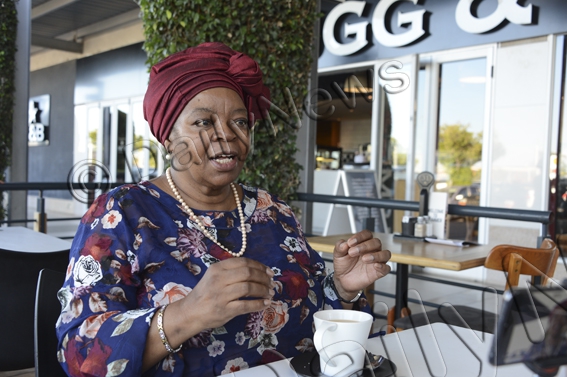
People are growing complacent, chairperson of Global HIV Prevention Coalition at United Nations and former Minister of Health in Botswana, Professor Sheila Tlou said.
“People just thought HIV was over because of reduced number of AIDS-related deaths, and some simply got tired of hearing the same message throughout,” she states in an interview with BOPA, ahead of this year’s commemorations.
HIV messaging, she says, must be kept fresh and relevant for the times and the audience.
“We forget that every year there is a new cohort of people who are starting to have sex.
They have their own lingua, which means we have to come up with specific messages that speak to them in their language,” she states.
In her view, people are not necessarily fatigued of hearing messages about HIV, they are simply bored.
Prof. Tlou thus underscores the need to include comprehensive sexuality education as part of education curricula and make it examinable.
Gender Based Violence (GBV) and gender inequality have also been established as stumbling blocks to the global HIV response.
UNAIDS estimates that young women in Sub Saharan Africa aged 15-24 years were twice as likely to be living with HIV than men of the same age.
Thus UNAIDS has committed itself to addressing gender inequality as it is driving HIV risk and vulnerability and therefore was critical to ending AIDS.
Prof Tlou explains that GBV disempowers women and disables them from negotiating safer sex.
“This is why I advocate for comprehensive sexuality education, where we teach young men and women about human rights, about the right not to violate others. Governments need to empower girls with education because the more years they spend in school, the less likely they are to be infected with HIV.
Every year they spend in school lowers their chances of being infected,” she said.
Inconsistent condom distribution globally is another contributing factor to sluggish HIV response and prevention.
“We need to be distributing at least 10 billion condoms per year, but currently we are at two billion.
When you look at countries like Botswana, which used to have excellent condom distribution, they have regressed and now have stock-outs, but does that mean that people stop having sex just because there is a stock out? No!” She says.
One of the key issues she highlights is that Africa does not manufacture any condoms despite the demand, which means they are all being imported from outside, which has led to complaints that some of them ill fit African men properly.
HIV response and prevention however do not come cheap.
Globally, funding for HIV has gone down, specifically the Global Fund, which finances HIV, Tuberculosis and Malaria.
As a result, African countries are being encouraged to domestically fund their healthcare and increase spending on health to at least 15 per cent of their annual budgets.
This is expected to reduce their over-reliance on international sources of funding as the primary source.
“I tell African presidents to cut back on military spending because the enemy is right within their borders in the form of HIV, Tuberculosis and malaria.
And needless to say, not all of them are keen on hearing me say that,” she states.
Communities also have a role to play in the global HIV response as they should not only work hand in hand with governments, but also hold the governments accountable.
“Health is made in communities, once it leaves the communities and goes to the hospitals, it is now failed health,” she notes.
Primary healthcare thus should be the focus.
In the same vein, Prof. Tlou also underscores the critical role of civic society in HIV response despite decreased funding in the sector.
Her solution to keeping them afloat is that governments should contract them to work with specific target groups and give them deliverables as is currently the case in Kenya.
This year’s theme focuses on communities making the difference.
Botswana’s commemoration, which was held in Maun yesterday, served as an opportunity to put communities at the forefront of intervention and serve as a reminder that HIV is an ever present problem in Botswana and the rest of the world.
An estimated 37.9 million people were living with the virus as of 2018, with more than two thirds of them found in Africa (UNAIDS).
UNAIDS has thus set itself a target to end the AIDS epidemic as a public health threat by 2030.ENDS
Source : BOPA
Author : Ludo Chube
Location : GABORONE
Event : interview
Date : 01 Dec 2019
Related News

13 Aug 2026

13 Aug 2026