Patients to obtain medication without extra pay
18 Aug 2013
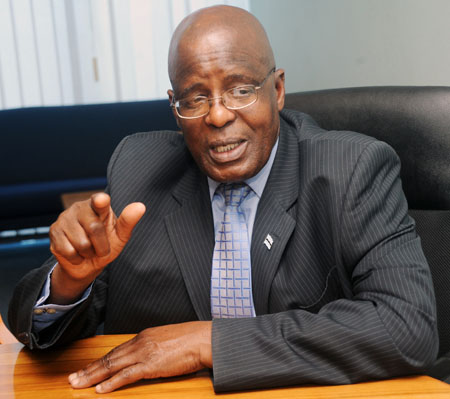
Batswana who are not covered under any Medical Aid Scheme will soon obtain medication from pharmacies without paying any extra charges, Assistant Minister of Health, Mr Gaotlhaetse Matlhabaphiri, said in an interview.
Mr Matlhabaphiri said the initiative was part of the ministry’s efforts to address the problem of shortage of drugs experienced in some public health facilities around the country.
In addition, he said, this was also meant to curb the tendency by some public health officers to send patients from pillar to post to try and find medications for themselves from other public health facilities.
This, he said, was wrong, because some Batswana patients who could afford to buy medication from pharmacies went ahead and bought them, while those who did not afford went home without the prescribed medication.
He said every Motswana had a right to be afforded the right health service and it was the ministry’s mandate to ensure that all Batswana were provided with all the necessary health services that they required.
Mr Matlhabaphiri said, his ministry was currently engaged in negotiations with suppliers and the Botswana Public Officers Medical Aid Scheme (BPOMAS) to assist them in this regard. He said only 100 per cent owned Batswana pharmacies would be engaged in this initiative.
Once done with the negotiations, he said, the suppliers who won the tender would supply Batswana owned pharmacies with all the necessary medications for them to dispense to patients. The pharmacies would then claim all their dues from BPOMAS.
At the moment, he said, the initiative will first be piloted in the greater Gaborone and Francistown areas because that was where most Batswana owned pharmacies were located.
Furthermore, Mr Matlhabaphiri explained that after being diagnosed, patients would be issued with medical cards that they would use to obtain the prescribed medication from the nearest pharmacies.
These medical cards, he said, would indicate the prescribed medication from the doctor and all other necessary information about the patient such as full name, age, nationality and identity card number.
The ministry came up with this measure following the recent breakdown of the Central Medical Stores (CMS) system, which affected the procurement and distribution of medication to health facilities countrywide.
The problem occurred early this year “and this is also one the main reasons that contributed to shortage of medication in some of the public health facilities.”
The collapse of the system, Mr Matlhabaphiri said, also made it difficult to locate medicines, in time at CMS, when public health facilities and regional warehouses ordered them, leading to a point where medicines were reported to be out of stock when they were actually still in stock, as it was not easy to look for them physically.
“You cannot bet, in a system like CMS, that you will always find certain medicines in a particular area or shelve at all the time, because they keep on moving their medicines. So this collapse, also delayed the distribution of medicines to health facilities around the entire country- more especially those in remote areas. As soon as this problem was realised, it was addressed immediately,” he said
“At the moment, that part had been dealt with and the system is operating again. The problem, now, is that of suppliers, because sometimes certain medicines that we order from them are out of stock. And the other thing is we have to go through tendering first, which can also be rejected or take long to be approved. But, that is not the CMS or the Ministry’s decision, it is the tender board’s decision,” he added.
Under such circumstances, the ministry would resort to micro procurement to avoid delays in the distribution of medicines. However, he said this was also a process, because it was not an easy thing to do either. Ends
Source : BOPA
Author : Lorato Gaofise
Location : GABORONE
Event : Interview
Date : 18 Aug 2013
Related News
09 Jun 2026
09 Jun 2026
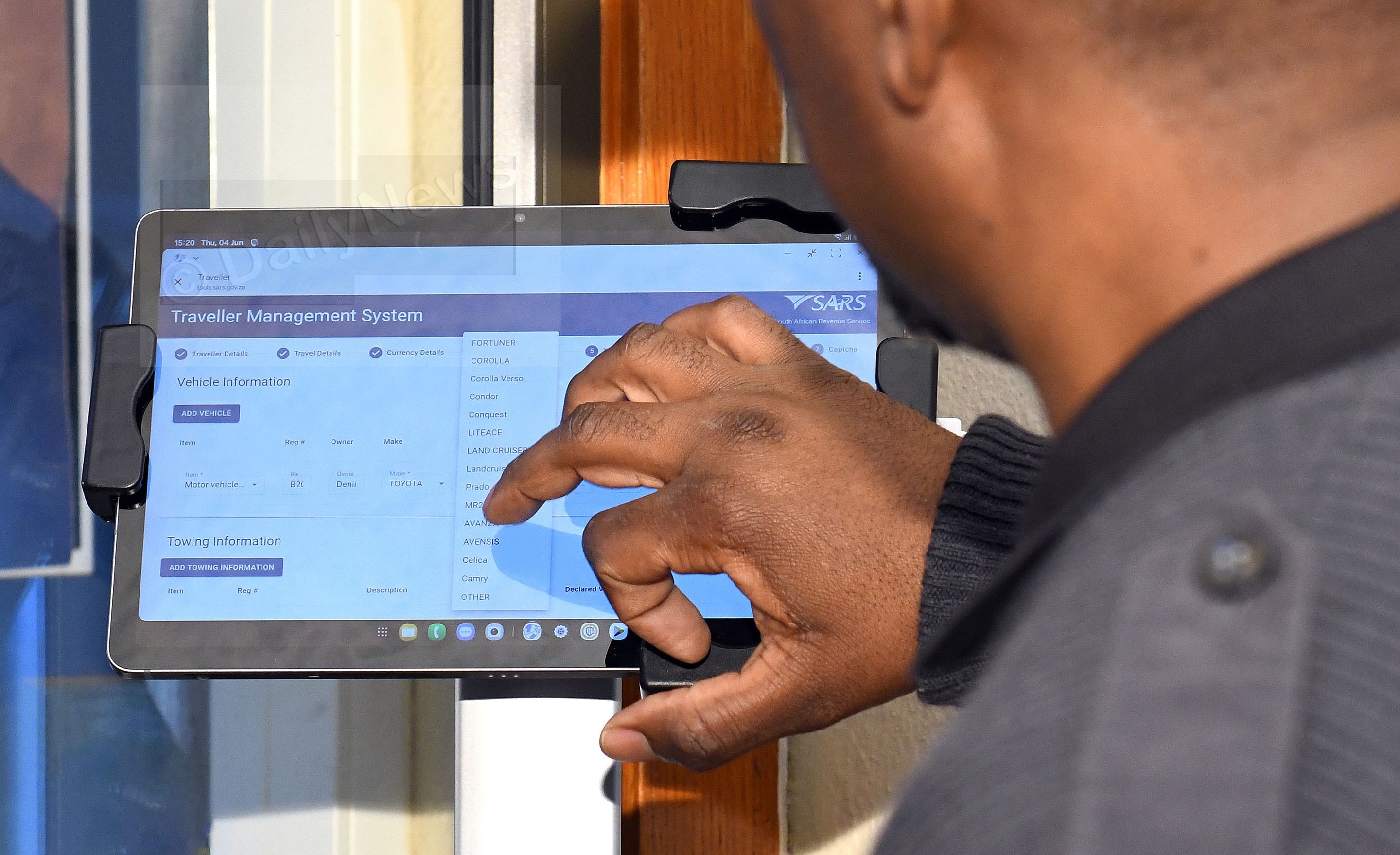
SARS cautions foreign motorists against scammers

09 Jun 2026
Labour agreement to strengthen workplace harmony
09 Jun 2026
Motsamai hails Werda for role in FMD fight
09 Jun 2026