Young Motswana competes at ITU
14 Aug 2013
A young Motswana is aiming to make strides internationally with innovative ideas that could improve the information technology in Botswana.
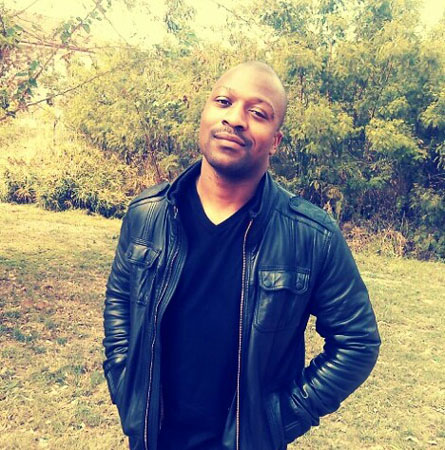
Twenty-five year-old, Mr Thato Ramakoba, an IT Diploma holder from Botho College is among the many competing at the International Telecommunications Union (ITU) for the best idea.
The competition was meant to mobilise youth to join forces and create solutions for social good, enabled through widespread access to information and communication technologies (ICTs).
The competition is won by votes. And, the two most voted ideas would see the innovators pocketing US$10 000 as well as travelling to the upcoming youth summit titled BYND 2015 Global Youth Summit schedule for Costa Rica from September 9-11.
Mr Ramakoba, who is now corresponding with Open University in the United Kingdom and in his last year reading for BSc Computer Science, came up with the idea of Biometric e-Registration System under the category: How might we bring together stakeholders in shared ICT security issues and objectives. Mr Ramakoba said the Biometric System was inspired by the approach used by most government departments to disseminate services.
“I felt the need for a change from the traditional channel of accessing services to a more efficient and effective one. We should shift from going to government departments and corporate companies in person to queue for services, instead we should employ the Biometric e-Registration System to do the job,” stated Mr Ramakoba.
Explaining the system, Mr Ramakoba who is a member of Botswana Information Technology Society (BITS), said reliable user authentication was essential. He further stated that the consequences of insecure authentication in many banking or corporate environment could be disastrous; with loss of confidential information, money and compromised data integrity.
Many applications in everyday life also required user authentication, including physical access control to offices or buildings, e-commerce, healthcare, immigration and border control.
Currently, Mr Ramakoba said the prevailing techniques of user authentication were linked with passwords, user IDs, identification cards and PINs (personal identification numbers).
These techniques, according to him suffered from several limitations; as passwords and PINs could be guessed, stolen or illicitly acquired by covert observation. He added that more often there was no way to positively link the usage of the system or service to the actual user.
“A password can be shared, and there is no way for the system to know who the actual user is. A credit card transaction can only validate the credit card number and the PIN, not if the transaction is conducted by the rightful owner of the credit card,” he said.
The question though would be how Biometrics could help obtain security issues in these regard. The various biometrics systems have been developed around the unique characteristics of individuals. Therefore, the probability of two people sharing the same biometric data was close to zero.
“Because a biometric property is an intrinsic property of an individual, it is extremely difficult to duplicate or share,” explains Thato adding that it cannot be copied either or lost.
“Biometric characteristics are nearly impossible to forge, especially with new technologies ensuring that the biometric being identified is from a live person. A biometric property of an individual can be lost only in case of serious accident,” stated Mr Ramakoba, adding that he had chosen the finger print property of a person.
He further said the Biometric e Registration System was fast and accessible where there was an Internet service. Besides the Biometric system, competing under the category of Health with Mobile Blood Transfusion System idea. This idea, Mr Ramakoba said, came about after he lost a friend at birth due to loss of blood.
This system, according to him, had three features of security which are to identify fraudsters, GPS (to identify exact location of the person who registered) and the registration which is just information details about the person who wish to donate.
Mr Ramakoba said, the Mobile Blood Transfusion is efficient because it allows people who have always wanted to donate a chance to do it, while at home as most people are lazy to go to campaigns where it is most of the time places to donate blood.
To vote for Mr Ramakoba's idea you click the link "https://ideas.itu.int/category/1229#/post/259, then"https://ideas.itu.int/category/1229#/post/259, you register and proceed to click the “How might we bring together stakeholders in shared ICT security issues and objectives,” slide; and vote on the Biometrics eRegistration System and also click https://ideas.itu.int/post/28785" https://ideas.itu.int/post/28785 for the Mobile Blood Transfusion System under the Health challenge.
Voting closes this Saturday (August 17) and Mr Ramakoba is counting on the votes of Batswana to take his idea to the world. Ends
Source : BOPA
Author : Ketshepile More
Location : GHANZI
Event : Interview
Date : 14 Aug 2013
Related News
09 Jun 2026
09 Jun 2026
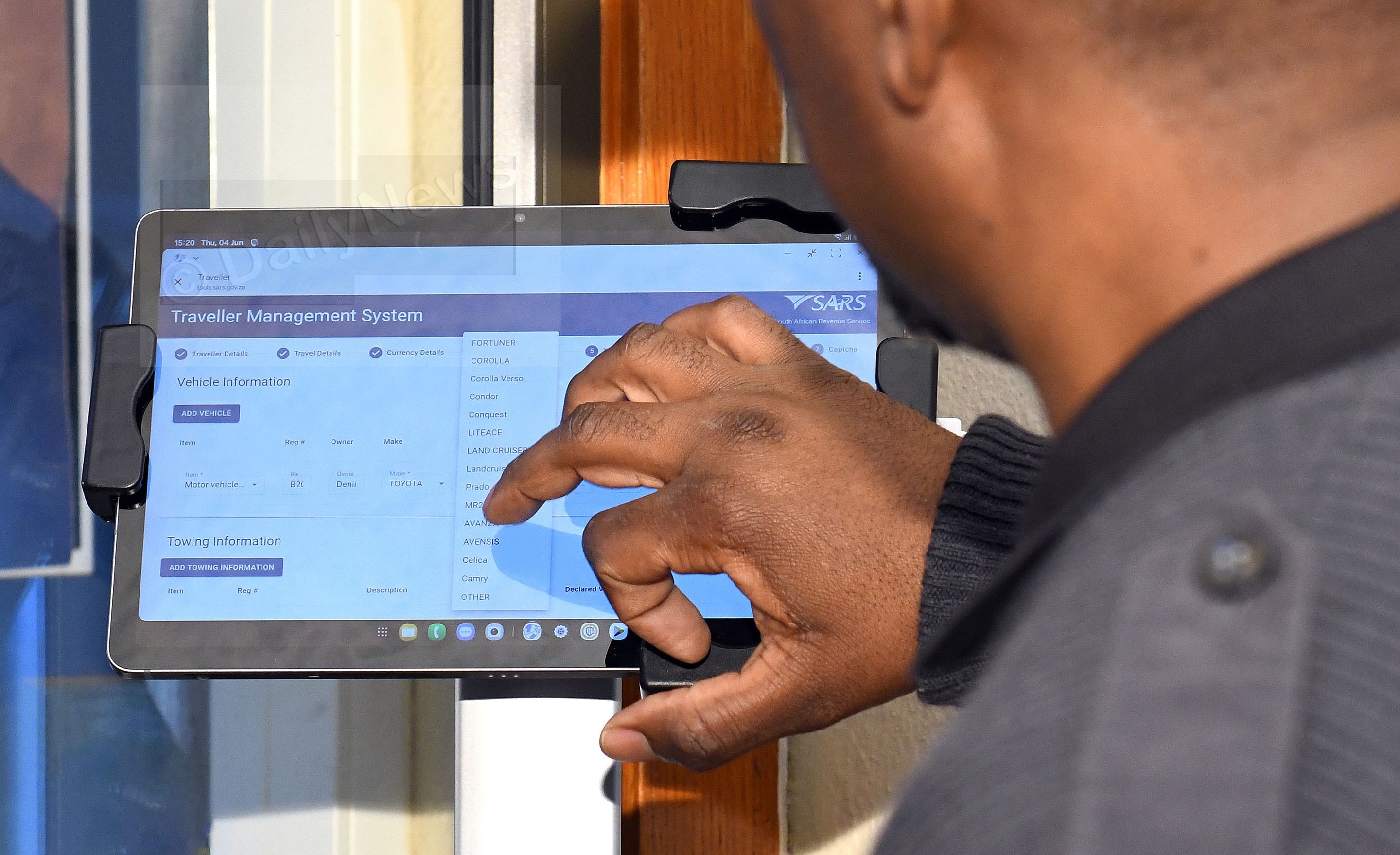
SARS cautions foreign motorists against scammers

09 Jun 2026
Labour agreement to strengthen workplace harmony
09 Jun 2026
Motsamai hails Werda for role in FMD fight
09 Jun 2026