Health ministry appreciates traditional doctors
13 Aug 2013
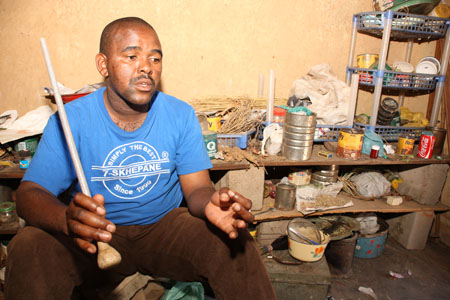
Concrete collaboration exists between traditional doctors and the Ministry of Health regarding issues of governance and diseases.
In an interview, the chief health officer in Department of Public Health, Mr Samuel Kolane said the ministry appreciated the role played by traditional doctors in the health sector. He noted that the department through its health promotion and education division was responsible for traditional doctors.
Mr Kolane said different associations of traditional practitioners had formed an umbrella reference committee, which met with other health practitioners to dialogue on various health issues.
He said the ministry provided technical and material support to the committee during the annual commemoration of Traditional Medicine Day. This year, he said, it would be held on August 31.
Mr Kolane said they also conducted workshops to equip traditional doctors with knowledge and skills to make them aware of the possible risks of cross infections through contaminated body piercing instruments and other means during their treatment processes.
The traditional doctors are also enlightened on how to protect themselves and their clients against infections. He noted that they also share information on disease outbreaks and the role each party plays.
About infectious diseases such as diarrhoea, HIV/AIDS and Tuberculosis, he highlighted that the traditional health practitioners have agreed that they would refer them to the medical doctors.
He cautioned against the use of traditional and modern medicine at the same time, saying it might cause overdose, drug interactions or interface due to unknown active ingredients leading to undesirable effects on kidney and liver.
However, he said, they still faced challenges since not all traditional health practitioners have joined associations and some cannot read or write.
The other challenge, he said, was the unavailability of legislation to regulate traditional health practice which has resulted in an influx of traditional practitioners from outside countries.
He cited uncontrolled use of traditional medicines, which are purchased from the streets, and pronouncements made by some traditional practitioners that they could cure certain illness thereby misleading the public, as some of the challenges.
Mr Kolane said the nine registered traditional practitioners associations and Dingaka Association of Botswana form part of the reference committee. He said countries like South Africa, Zimbabwe and Kenya have good working relationships between modern and traditional doctors. Ends
Source : BOPA
Author : Dimakatso Tshekedi
Location : FRANCISTOWN
Event : Interview
Date : 13 Aug 2013
Related News
09 Jun 2026
09 Jun 2026
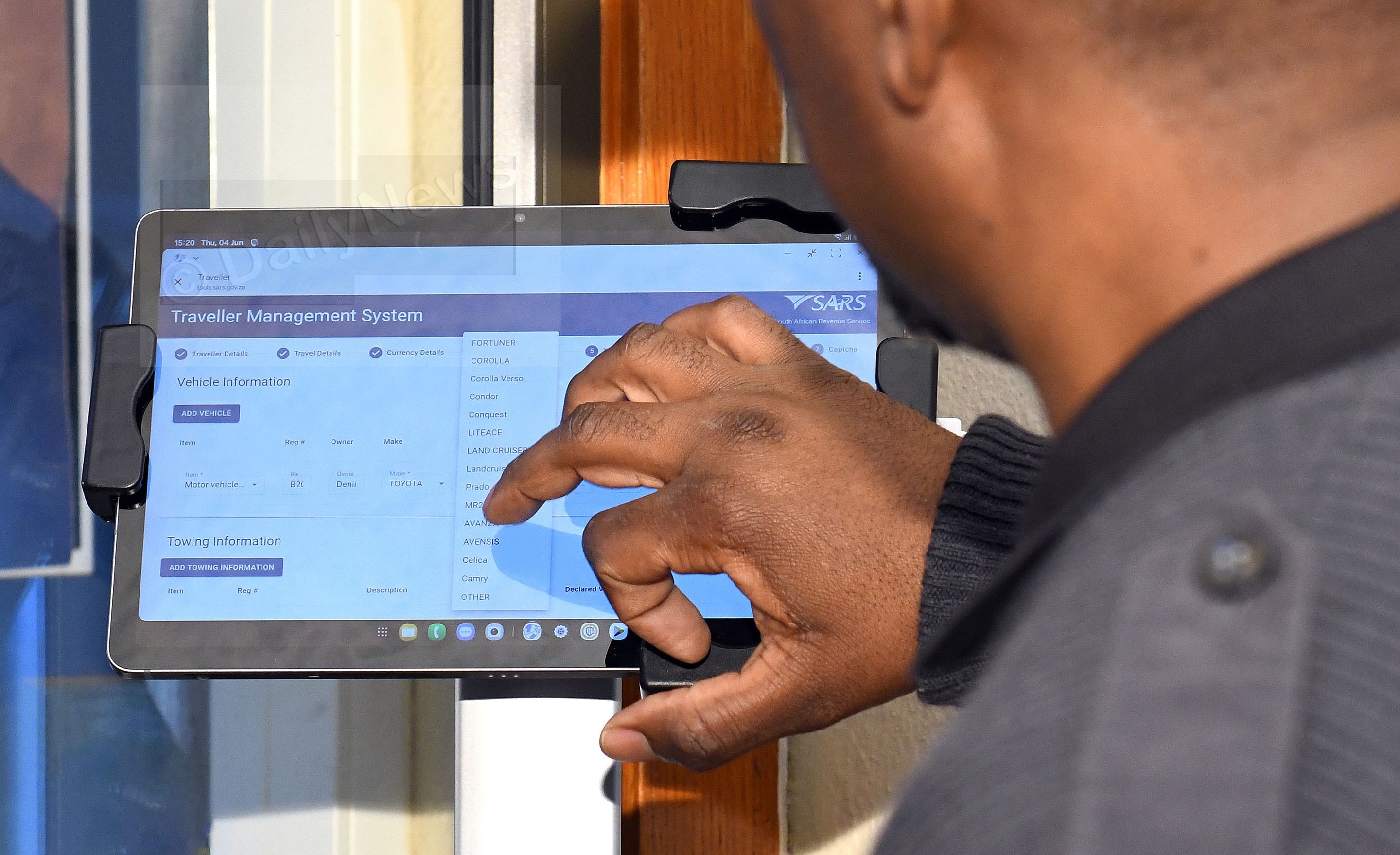
SARS cautions foreign motorists against scammers

09 Jun 2026
Labour agreement to strengthen workplace harmony
09 Jun 2026
Motsamai hails Werda for role in FMD fight
09 Jun 2026