


SADC promotes industrialisation
03 Feb 2019
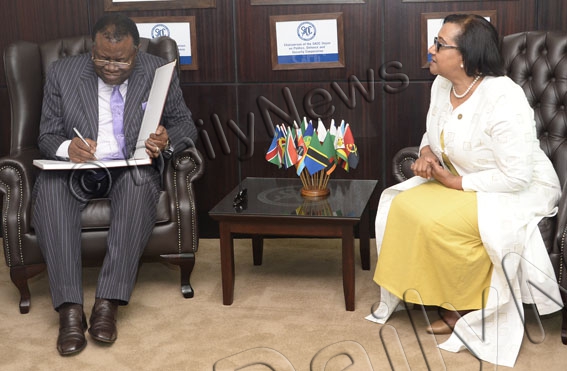
SADC has prioritised industrialisation as a key driver for economic growth and poverty eradication, President of Namibia and SADC chairperson, Dr Hage Geingob has said.
Delivering a statement during his visit to the SADC secretariat in Gaborone on February 1, Dr Geingob said industrialisation offered untold benefits for the youth and therefore, the regional bloc must continue to invest in the sector.
“In fact, our youth should be the key drivers of our industrialisation and integration agendas,” he said.
To become a competitive player in global markets and value chains, he said, it was time for the region to shift from its economically unfavourable position as an exporter of raw materials and start promoting value addition.
“Bearing in mind the theme we adopted at the 38th SADC Summit in Windhoek last year, which is: Promoting Infrastructure Development and Youth Empowerment for Sustainable Development, there is need for the youth to be at the centre of what we do,” he said.
The SADC region’s drive for industrialisation, he said, should expand and provide a stimulus to investment opportunities, which would have significant multiplier effects on other sectors.
Through promotion of industrialisation and infrastructure development, the Namibian president said the region would experience social and economic change “that will transform our communities from a mere agrarian and import oriented society into an industrial society, with increased opportunities for employment, entrepreneurship, resulting in better standards of living of our people.”
“Our aim as a region is to have sustainable levels of growth, low inflation and competitive interest rates, to enable our private sector and youth entrepreneurs to access funds and most importantly, have a secure and enabling environment for better investment opportunities,” said Dr Geingob.
In her remarks, SADC executive secretary, Dr Stergomena Lawrence Tax said the chairperson’s visit was testimony to his commitment towards the advancement of SADC’s regional development and integration agenda.
“It is also a sign of the dedication to attain the vision and aspirations of the SADC founders, as espoused in the Declaration and Treaty of SADC, that was adopted in August 1992 in Windhoek, Namibia, which is to promote regional economic welfare, collective self-reliance and integration in the spirit of equity and partnership,” she added.
Dr Tax also thanked Dr Geingob for coming up with the 38th SADC summit theme and for overseeing its implementation saying youth empowerment remained a critical issue requiring deliberate measures by the region to ensure young people’s participation in the socio-economic development of the region.
Initiatives towards implementation of the theme, she said, had created an environment that would afford the youth opportunities for broad-based participation in socio-economic development processes.
“The SADC secretariat remains seized to ensure consolidation of efforts towards youth empowerment,” she stressed.
She called upon SADC member states and all stakeholders to make deliberate efforts to continue mainstreaming interests of youth in development plans so as to ensure they played their rightful role in the growth and development of the region.
To operationalise the theme, Dr Tax said the secretariat in collaboration with member states had implemented a number of activities key among them the development of multimedia messages and SADC youth talks.
She said a youth forum was held in Namibia in December 2018 where young people had active interactions and engagements.
SADC deputy executive secretary (corporate affairs), Ambassador Joseph Nourrice, thanked President Geingob for the continued support, leadership and guidance that he provided to the SADC secretariat and the region as a whole.
He emphasised that SADC remained committed to the region’s youth adding that the theme for the 38th summit was timely and relevant.
“This is a region with a relatively young population. We need to take action to ensure that programmes are inclusive and empowering, so that the youth are equipped with necessary skills to enable the region to generate a highly skilled and versatile labour force to generate economic opportunities and drive the region’s industrialisation agenda forward,” he said. ENDS
Source : BOPA
Author : Lorato Gaofise
Location : GABORONE
Event : Presidential visit
Date : 03 Feb 2019
Related News
15 Jun 2026
15 Jun 2026
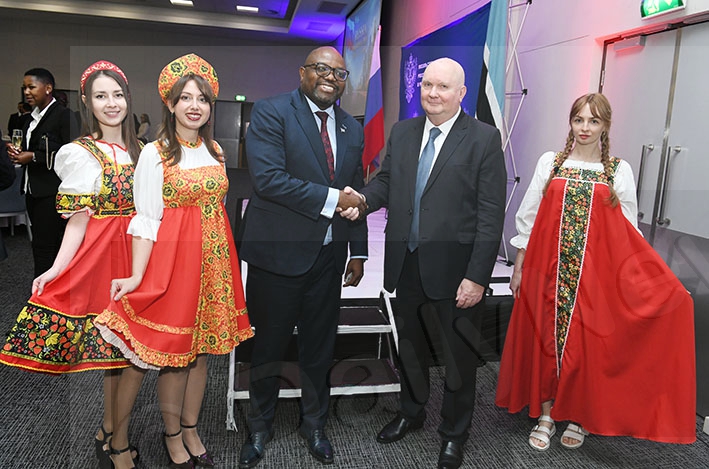
Botswana considers diplomatic mission in Russia
15 Jun 2026
Leverage neurodiversity for innovation gains

15 Jun 2026
Ministry to revive extracurricular activities
15 Jun 2026