


Botswana in solid waste crisis
10 Oct 2018
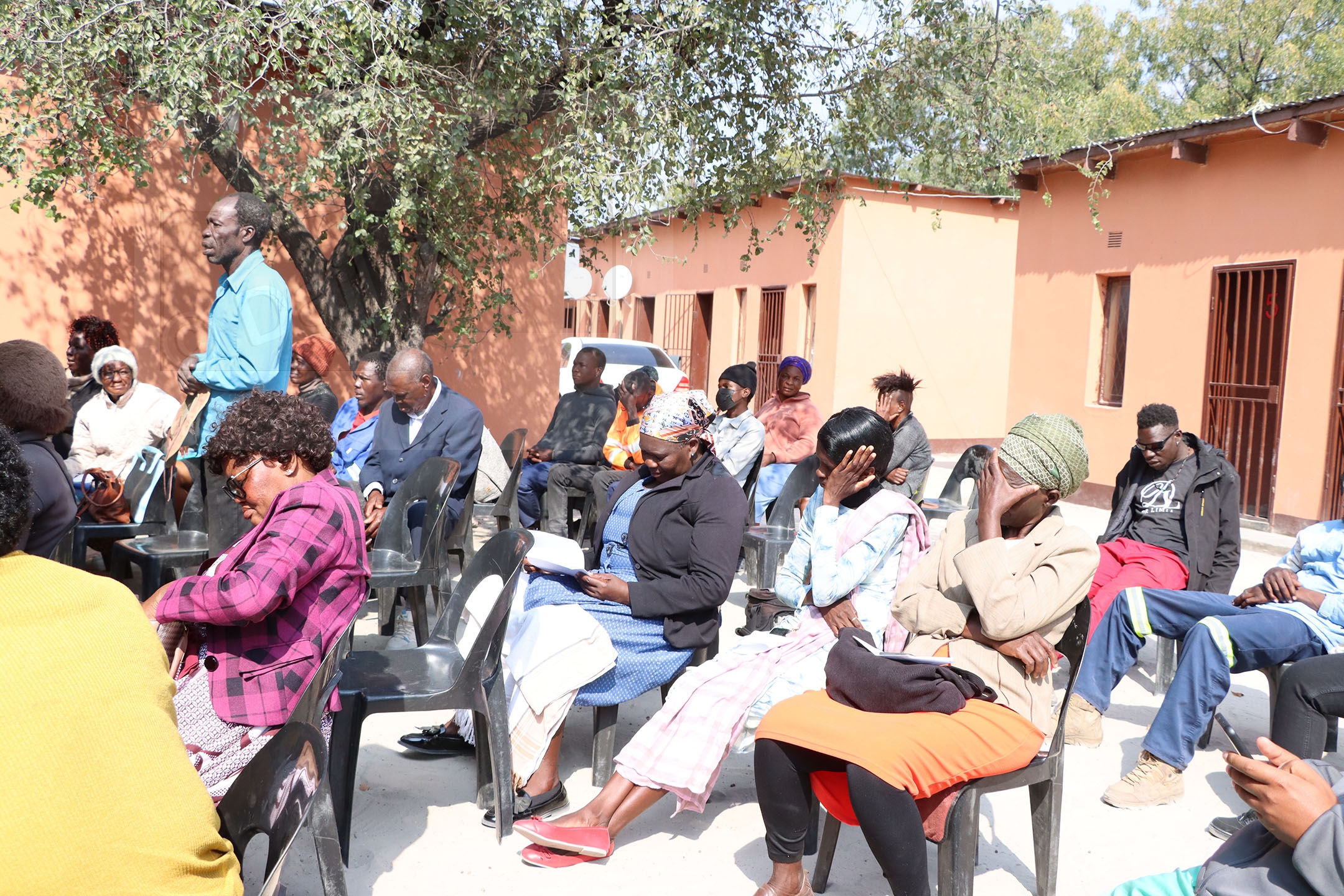
Indications are that there is a national solid waste crisis in Botswana, says Minister of Infrastructure and Housing Development, Mr Vincent Seretse.
Officiating at the World Habitat Day commemoration in Ghanzi on Tuesday, he said the high rate of urbanisation and population growth in most African countries, including Botswana, had made it difficult to develop and implement effective municipal solid waste management systems.
He said the ever increasing affluent ways of living had largely contributed to the large amounts of waste generated in communities which compounded local authorities’ ability to effectively manage waste.
Minister Seretse warned that municipal solid waste disposal was an environmental problem that could affect all living organisms and end up being costly to the entire human species.
He therefore called for the basic premise for solid waste management to change if the country was to avoid an uncontrollable state of solid waste proliferation in future.
Government, he said, had decided to draw up a national management policy covering a broad spectrum of waste management issues which would reinforce the Waste Management Act and Waste Management Strategy, both of 1998.
The typical composition of solid waste included paper, household wastes, disposable nappies, demolition debris, industrial wastes and other waste materials that might also be disposed of in a landfill, he said.
Minister Seretse said a wide variety of toxic and other hazardous materials were included in waste and sent to landfills every day from homes and other sources.
He said even small amounts of such materials in sufficiently high concentrations posed a health and environmental risk to the water resources, air quality and pollute the pristine land assets.
Furthermore, he said district councils continued to note with concern burning of waste, indiscriminate disposal of waste along roadsides and illegal dumping of waste.
Minister Seretse said people in developing countries, especially the urban poor were more severely impacted by unsustainably managed waste noting that poorly managed waste served as a breeding ground for disease vectors and contributed to global climate change through methane generation.
He all to improve the situation saying the need to protect people’s health and wellbeing and their habitat could not be overemphasized.
On a positive note, Minister Seretse said waste management had the potential to create employment, right from the collection to final stage of disposal.
Every phase needed manpower and ultimately a large number of employment opportunities could be opened up, he said. Ends
Source : BOPA
Author : Fredricah Nguahoka
Location : GHANZI
Event : World Habitat Day commemoration
Date : 10 Oct 2018
Related News

18 Aug 2026
Men lead conversation on GBV root cause

18 Aug 2026
Botswana and US conclude Southern Accord 2026
18 Aug 2026