


Carcass poisoning dangerous
14 Aug 2018
Department of Wildlife and National Parks has warned farmers in the Tswapong area to desist from poisoning carcasses as they put the lives of vultures in danger.
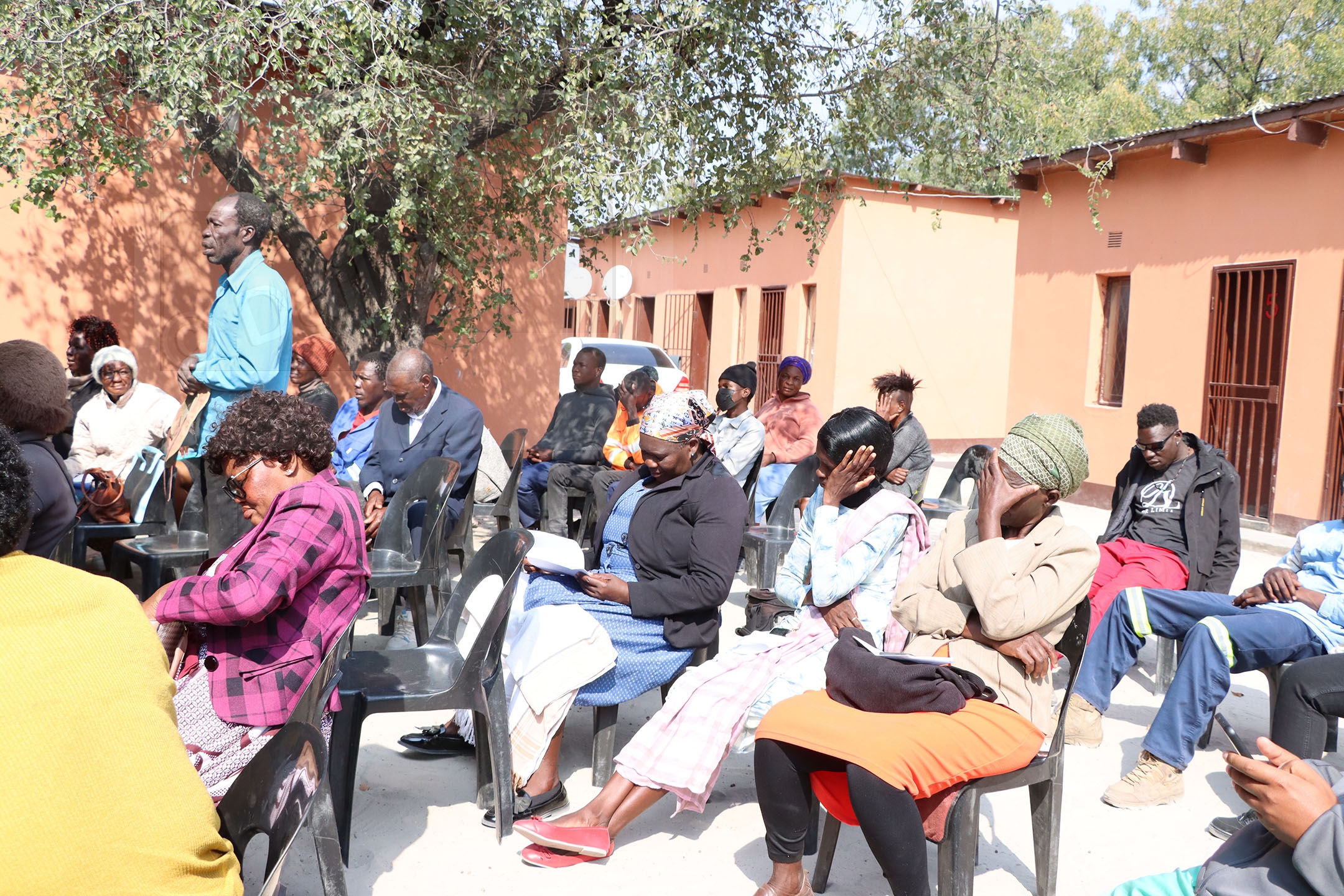
Speaking in an interview with BOPA, Wildlife officer Ms Margaret Kgomo urged farmers to find better ways of protecting their livestock from predators rather than poisoning carcasses because they were endangering the lives of scavengers such as vultures.
She said her department had observed a decline in the population of Cape Vultures, commonly found in Tswapong area as a result of mortality.
She said vultures just like other animals contribute positively to the ecosystem therefore killing them would affect the environment.
Unlike other birds, she said vultures lay one egg once a year thereby taking a long time for them to multiply.
She said farmers should bear in mind that wild animals and vultures help promote tourism in the country, adding that tourism contributes immensely to the country’s Gross Domestic Product, hence the need to protect predators and scavengers as well as the vegetation.
Ms Kgomo informed the community that her office would take serious action against culprits who continue to poison carcasses.
She said poisoned carcasses might result in the extinction of some wild animals and scavengers.
One resident, Ms Mmalekgowa Tsholofelo said most people in her community earn a living by rearing livestock, especially small stock.
She said some predators threaten their efforts to improve their livelihood resulting in some people poisoning carcasses to kill those predators.
Ms Tsholofelo thanked Ms Kgomo for alerting them, adding that they were not aware that poisoned carcasses also affected scavengers such as vultures. ENDS
Source : BOPA
Author : Kealogile Diloro
Location : Kgaodi
Event : Interview
Date : 14 Aug 2018
Related News

18 Aug 2026

18 Aug 2026
Sincerity The Key to Lasting Friendship
18 Aug 2026
Men lead conversation on GBV root cause

18 Aug 2026