

BR tells Botswana transition story
27 Sep 2016
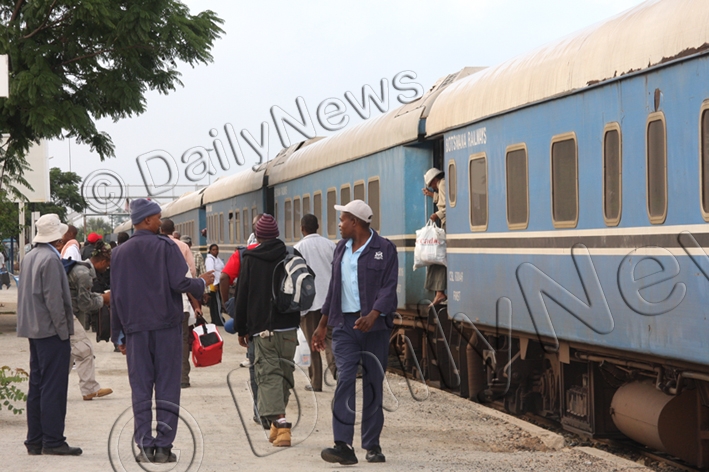
As the country celebrates 50 years of independence, the story of Botswana Railways resonates well with the story of Botswana.
Mr Vivian Forbes, 61, is a proud Francistown dweller who has worked for all the railway systems that served Botswana since independence.
Having personally been a train driver in the Rhodesia Railways (RR) in the 70s, National Railways of Zimbabwe (NRZ) in the 80s, and currently Botswana Railways, Mr Forbes, of Monarch location in Botswana’s second largest city has seen it all.
He said in an interview that his training took place in Lilongwe, Malawi because Botswana did not have such training institutions.
“The training took about two years of theory and a further three years of practical training through attachment at Rhodesia Railways,” he said.
During his RR days as a trainee he operated between Bulawayo in Zimbabwe and Mafikeng in South Africa initially performing shunt duties at various stations as part and parcel of training, he said.
Far along in 1980 when Zimbabwe gained its independence, Rhodesia Railways became National Railways of Zimbabwe, said Mr Forbes.
He continued with shunting duties until the late 80s when he was allowed to drive along the mainline for three months without assistance.
He stayed for a year in Bulawayo before relocating to Lobatse where he drove the mainline train from Bulawayo to Mahalapye which coincided with the birth of Botswana Railways (BR) in 1987, he said.
When the government of Botswana bought out Botswana-based sections of the National Railways of Zimbabwe (NRZ); “we took over all the jobs from our counterparts till to date,” he noted.
Another witness, former employee of RR - currently Gerald Estates customary court president Kgosi Paul Motshwane - said in an interview that the development of RR was informed by a number of considerations.
The need to serve the towns, mines and farms that were being fast established by authorities of the time before the turn of the century, was paramount, he said.
It was also important for the developers to link landlocked countries of Zimbabwe, Botswana, and Zambia in the region with sea-ports in Mozambique and South Africa.
Today, Kgosi Motshwane, 61, is glad to be part of the celebrations marking the country’s 50 years of independence because the local railway system is now well developed and an important part of the country’s economy.
“Once the railway line was built and goods were being transported the economy of the country improved greatly,” he said, adding that he first worked in RR in the late 70s as a ticket salesman between Ramatlabana and Salisbury (Harare) using different tariff books.
In addition, he said each and every time when the train crossed into another country they changed into a relevant tariff book signifying different currencies like the Dollar, the Rand and the Pula.
Every Fridays and Sundays engine men were usually instructed to avail a special compartment for Mr Jimmy Haskins, a former Cabinet Minister (Transport Works and Communication) for business purposes, he remembered.
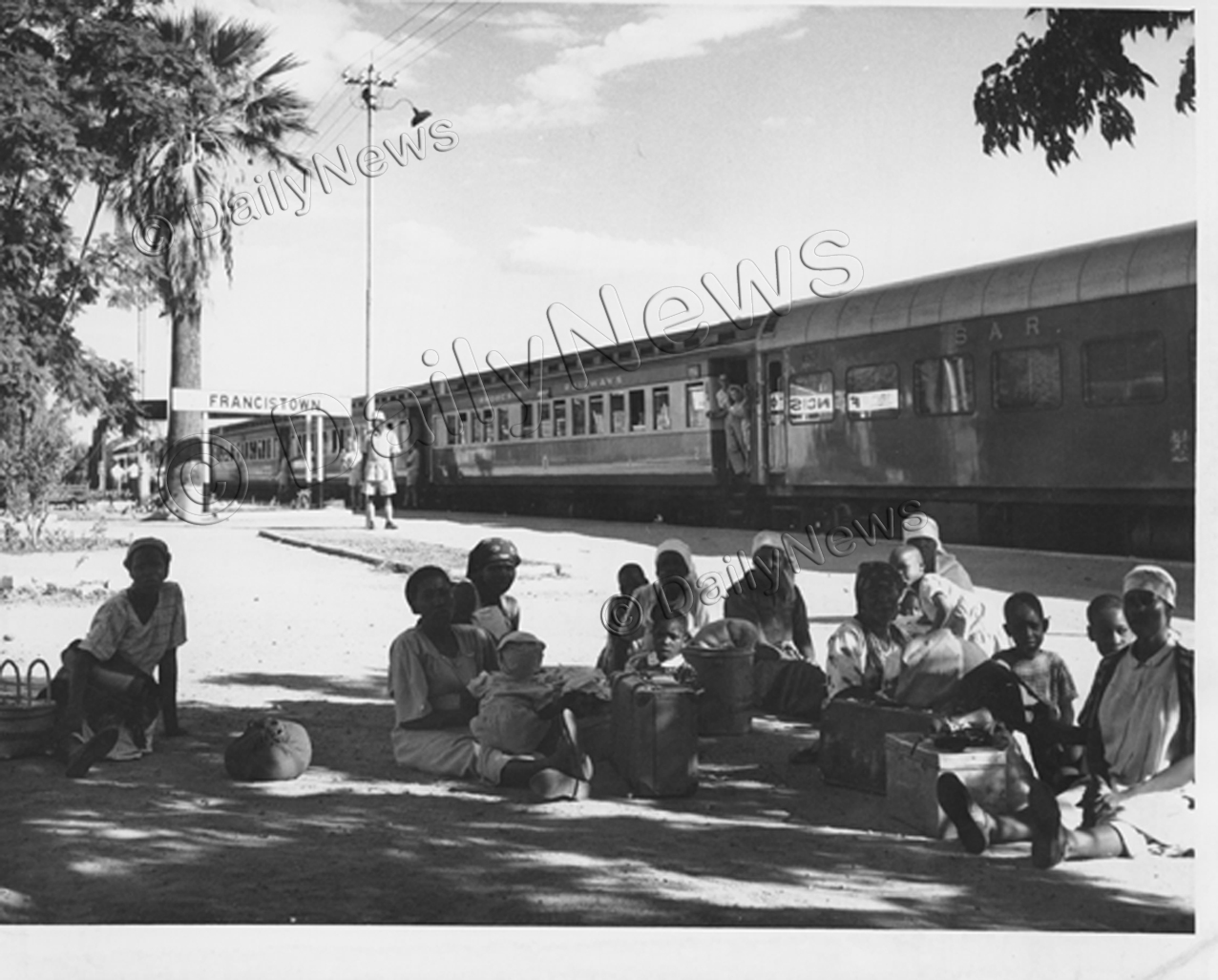
There were two types of trains being the mixed and the mail train; the mixed train transported both goods and passengers whereas the mail train was mainly for passengers of European origin.
The mail train was more comfortable and more expensive as it pulled only second and first class carriages; it did not stop at every station except Francistown, Gaborone and Serule where there was a fuel point.
In the past, trains got their pulling power from a steam engine using coal, he said, adding that Mahalapye became BR’s main station where it stopped for a while before proceeding.
The train was Batswana’s main mode of transport because there were very few if any buses and the A1 Road consisted of gravel all the way, the traditional leader said, adding that it took over night to travel from Francistown to Gaborone.
One of the passengers of the time, Mr Molaodi Maiketso (62), who resides in Sepopa in the Okavango Sub-dstrict, said different people from different places in the north waited with their luggaes for the train at the Francistown station.
He remembered Shashe station as an impressive food selling site where people sold all kind of food, crafts and garments, and that the RR train and NRZ were a bit slower than the BR. ENDS
Source : BOPA
Author : Mpho Goitsemang
Location : FRANCISTOWN
Event : INTERVIEW
Date : 27 Sep 2016
Related News

30 Jul 2026
BMC eyes new export deals
29 Jul 2026
Modisaotsile on rise to the top
29 Jul 2026
Poultry industry attains self-sufficiency
28 Jul 2026
Ross Breeders pioneers Botswana poultry exports
28 Jul 2026