

Botswana to facilitate accession to Marrakesh Treaty
31 Jul 2016
When the country celebtrates its 50th anniversary, it would have deposited the instrument of the Marrakesh Treaty accession.
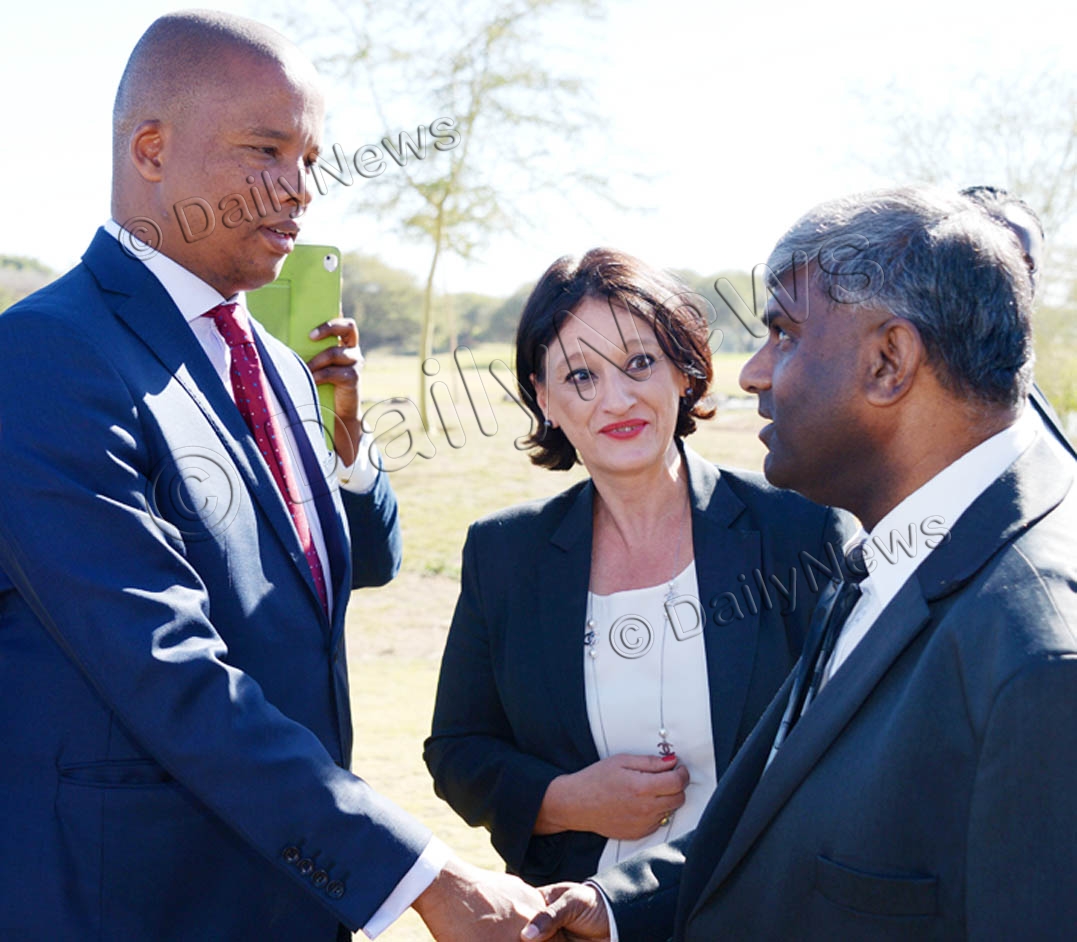
Officially opening a regional workshop on opportunities and challenges in the implementation of the Beijing and Marrakesh treaties, Assistant Minister of Investment, Trade and Industry, Advocate Sadique Kebonang said Botswana and Mali were the only African countries that have ratified the Beijing and Marrakesh treaties respectively.
The Beijing and Marrakesh treaties are the most recently adopted treaties in the World Intellectual Property Organisation (WIPO) in 2012 and 2013.
Advocate Kebonang further said the purpose of the workshop was to discuss the treaties in-depth so as to encourage their uptake by African countries.
“The Beijing Treaty is on audio-visual performances whereas the Marrakesh Treaty is to facilitate access to published works for persons who are blind, visually impaired and otherwise print disabled,” he said.
He expressed gratitude for the contribution and support that WIPO and the African Regional Intellectual Property Organization (ARIPO) continue to extend to Botswana in the development and growth of Botswana’s intellectual property system.
Advocate Kebonang further noted that with the Marrakesh Treaty entering into force on September 30, it comes at a time when Botswana has taken a number of deliberate policy decisions to integrate and provide support for people living with disabilities.
“Key to mention is the establishment of a Coordinating Office for People with Disability (CPWD) in the Office of the President,” said Advocate Kebonang, adding that the intention of placing the office at the level was to develop and coordinate implementation of policies, strategies and programmes by mainstreaming them into the development agenda to empower people with disabilities.
He said the Marrakesh Treaty was an important tool that could assist governments in ensuring that fellow citizens living with blindness, visual impairment and print disabilities have equal and timeous access to information.
“Access to information and knowledge is a fundamental right to all and as such the visually impaired should also enjoy this right,” he said, further noting that access to information and knowledge would help them deal with some of the social challenges they face. ENDS
Source : BOPA
Author : Omphile Ntakhwana
Location : GABORONE
Event : Workshop
Date : 31 Jul 2016
Related News


30 Jul 2026
BMC eyes new export deals

29 Jul 2026
Modisaotsile on rise to the top

29 Jul 2026
Poultry industry attains self-sufficiency

28 Jul 2026
Ross Breeders pioneers Botswana poultry exports

28 Jul 2026