


SA failure to comply might benefit Botswana
18 Feb 2016
Although African countries benefit individually from the African Growth Opportunity Act (AGOA), Botswana is likely to reap the rewards if the US can carry out its threat of suspending South Africa from the programme.
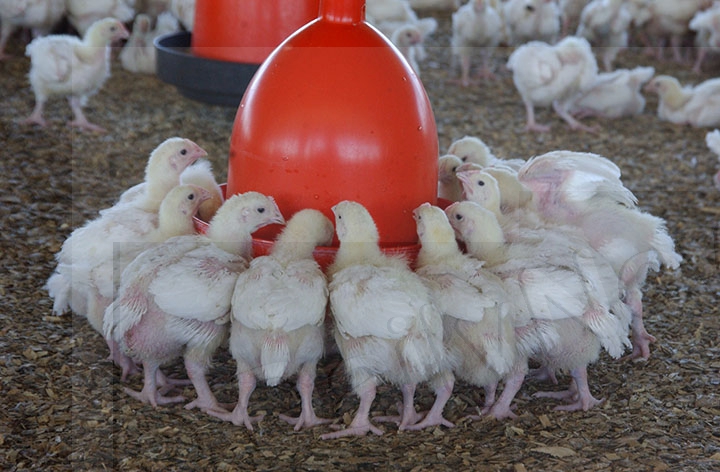
South Africa has until next month to comply with the US demands to open its market for US poultry failure to which the US would suspend duty-free treatment to all AGOA-eligible goods in the agricultural sector from SA. AGOA is a unilateral trade arrangement by the US for Sub-Saharan Africa.
Ms Ontlametse Ward, the deputy permanent secretary in the Ministry of Trade and Industry, said if SA was suspended from the programme, it could be to Botwana’s advantage as companies producing for the US market could come and set up in Botswana in order to benefit under AGOA.
Botswana, she said, does not have a bilateral trade agreement with SA, but that the two countries were members of the Southern African Customs Union (SACU) hence they enjoy trading with each other on a duty free basis for all goods through the 2002 SACU agreement.
She also noted that the two countries have a Memorandum of Understanding (MoU) on trade and industrial promotion. The MoU, she noted, provides for cooperation in the areas of trade, industry and investment.
Asked on how prepared was Botswana should the US decide to extend the same condition to Botswana given the fact that the country was also a beneficiary of AGOA, Ms Ward said the country could never be sufficiently prepared for the withdrawal of market access for Botswana goods anywhere.
“We are, however, at SACU level consciously thinking about negotiating on EPA - like reciprocal trade agreement that will guarantee market access as opposed to a unilateral arrangement that can be withdrawn at any time.”
Apart from AGOA, Botswana, under the SACU configuration, is negotiating a SACU-US Trade, Investment, Development and Cooperation Agreement (TIDCA).
This cooperative agreement, said the deputy permanent secretary, aims to promote an attractive investment climate and to expand and diversify trade between the two parties through capacity building on areas that include trade and investment promotion as well as trade facilitation.
Ms Ward said the cooperative agreement would also address technical barriers, sanitary and phyto-sanitary measures as well as private sector involvement.
Since the revision of the expiry date of AGOA in September, only one company under the textile and clothing sector is exporting garments to the US market under AGOA.
Originally, Ms Ward said there were 13 companies exporting under the arrangement, but that the number declined drastically due to challenges linked to high transport and logistic costs, inadequate capacity and stringent US regulations on sanitary and phyto-sanitary measures on agricultural products.
She said in order to bring the number up, the ministry would undertake private sector workshops to sensitise the public on the opportunities of the new AGOA in 2016/2017.
“This will also be matched with development of an AGOA strategy also planned for drafting in the following year.”
Ms Ward noted that AGOA offers Botswana an opportunity for diversifying its market. “It is critical that this opportunity is secured through ensuring conformity with the AGOA provisions,” she said.
Ms Ward said goods produced for the US market should be originating from the beneficiary country.
“In this case a company in Botswana cannot import a product from another country and re-export to the USA.”
She said the value of processing in Botswana must be significant for origin to be conferred, as this would ensure that benefits that were intended for Botswana under AGOA were actually enjoyed by Botswana. Ends
Source : BOPA
Author : Sefhako Sefhako
Location : Maun
Event : MoU Signing
Date : 18 Feb 2016
Related News



30 Jul 2026
BMC eyes new export deals

29 Jul 2026
Modisaotsile on rise to the top
29 Jul 2026
Poultry industry attains self-sufficiency
28 Jul 2026